Natural wood surfaces—from furniture to trim—benefit from gentle cleaning that preserves their finish and luster. This guide outlines practical, American-friendly methods using readily available products to clean, condition, and maintain wood without risking damage.
Readers will find a concise plan that covers routine cleaning, spot treatment, and long-term care for various wood types. The aim is to keep wood looking natural and vibrant while avoiding harsh chemicals or abrasive tools.
Quick Answer
For everyday cleaning, use a soft microfiber cloth lightly dampened with a mild cleaner or water, then dry with a clean cloth. For deeper cleaning and conditioning, apply a dedicated wood cleaner or a natural oil-based conditioner. Always test a small, inconspicuous area first and avoid saturating the wood. After cleaning, buff with a clean, dry microfiber cloth to restore sheen.
What You’ll Need
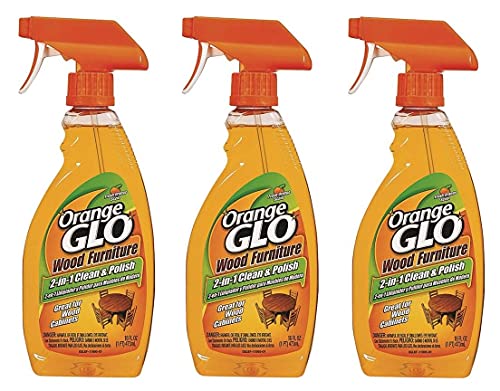
- Orange oil wood cleaner 16 oz
- Wood furniture conditioner oil for natural wood 16 oz
- Microfiber cleaning cloths for wood furniture 12 pack
- Wood floor microfiber mop head for hardwood
- Stiff bristle scrubbing brush for wood furniture cleaning


Before You Start
Preparation helps prevent damage. Work in a well-lit area and remove loose dust with a dry microfiber cloth before wet cleaning. Do not apply cleaners directly to large, sealed surfaces; use a lightly dampened cloth instead. Protect nearby finishes or painted surfaces to avoid cross-contamination. Allow any treated areas to dry completely before use.
Important cautions: Avoid excessive moisture, which can cause warping or finish lifting. If the wood has an antique or uncertain finish, consult manufacturer guidelines or test in a hidden spot first. Always use clean tools to prevent transferring grit onto the wood surface.
Step-By-Step: How To Clean Natural Wood
- Dust the surface with a dry microfiber cloth to remove loose particles.
- For routine cleaning, dampen a microfiber cloth with water or a small amount of orange oil wood cleaner 16 oz and wipe gently along the grain.
- Rinse or re-wipe with a clean, barely damp cloth to remove any residue.
- For stubborn spots, use a stiff bristle scrubbing brush to lift grime from crevices, then wipe clean with a damp cloth.
- Apply a wood furniture conditioner oil for natural wood 16 oz to a separate cloth and evenly buff onto the surface in circular motions.
- Allow the conditioner to penetrate for a few minutes, then wipe off any excess with a dry microfiber cloth.
- Follow up with a final buffing using clean microfiber cloths to restore luster.
- For floors or large surfaces, use a wood floor microfiber mop head for hardwood with light, uniform strokes, ensuring the pad is only lightly damp.
- Spot-check a small area of the finish after cleaning to ensure there is no streaking or residue.
- Repeat routine cleaning monthly or as needed based on use and exposure to sunlight or humidity.
- Store cleaners and brushes in a cool, dry place away from direct heat or sunlight.
- Dispose of used cloths safely if they become saturated with finish or solvents.
Troubleshooting
| Symptom | Likely Cause | Fix | Prevention |
|---|---|---|---|
| Streaks after cleaning | Residue from cleaners or oils | Buff with a dry microfiber cloth and re-wipe with a barely damp cloth | Use minimal product and follow with thorough drying |
| Finish appears dull | Over-wetting or buildup | Wipe surface dry and apply light conditioning oil if appropriate | Avoid over-wetting and clean in small sections |
| Water rings or spotting | Moisture seepage | Dry immediately with a soft cloth; ensure humidity is controlled | Use damp cloth only, not soaking wet |
| Scratching when cleaning | Using abrasive tools | Switch to soft microfiber cloths or brushes | Only use stiff bristle brushes on stubborn grime, never on finished surfaces |
Common Mistakes
- Using excessive water on wood finishes, which can cause swelling or warping
- Applying oil-based conditioners too thickly, leading to a greasy feel
- Using abrasive brushes or rough cloths that scratch the surface
- Neglecting to buff dry after cleaning, leaving dullness or residue
Tips For Best Results
- Test any cleaner on a hidden area before full application to ensure compatibility with the finish
- Always wipe in the direction of the grain for a natural look
- Regularly rotate or reposition items to minimize long-term wear from sunlight or heat
- Schedule periodic conditioning to maintain the wood’s natural oils and sheen
- Keep a dedicated microfiber set for wood to prevent cross-contamination with other surfaces
Call A Professional
If the wood has significant damage, such as deep scratches, water stains, or finish peeling, or if it is an antique with unknown finishes, consult a professional restorer or woodworker. Seek help if a DIY approach seems to risk further damage, especially on untreated or exotic woods.
FAQ
Can I use dish soap to clean natural wood?
Dish soap can strip oils; use a mild cleaner designed for wood or a light damp cloth with water for routine cleaning.
Is orange oil safe for all wood finishes?
Most finishes respond well, but always test first on a hidden area to confirm no darkening or residue.
How often should I condition natural wood?
Conditioning every few months or as needed helps maintain moisture and luster, especially in dry climates.
What if my wood is very dry or damaged?
Dry or damaged wood may require professional assessment and specialized oils or finishes beyond household cleaners.
Buying Guide
When selecting products to clean and care for natural wood, consider size, formulation, and finish compatibility. The following factors help compare options and ensure safe, effective results.
- Size and packaging: Choose containers that fit your cleaning cadence; larger bottles are cost-effective for frequent care.
- Cleanser type: Water-based cleaners are gentle; oil-based conditioners nourish wood but require careful application.
- Finish compatibility: Ensure products are labeled safe for the wood finish you own (poly, wax, varnish, or bare wood).
- Application method: Cloth-based versus spray; cloths allow controlled application to prevent over-wetting.
- Ease of use: Products that combine cleaning and conditioning reduce steps but verify they suit your wood type.
- Maintenance needs: Some products require buffing, others leave a protective film; balance convenience with shine goals.
- Placement considerations: Keep cleaners away from heat sources and out of reach of pets and children.
For a practical routine, pair an orange oil wood cleaner 16 oz with a wood furniture conditioner oil for natural wood 16 oz and a pack of microfiber cleaning cloths for wood furniture 12 pack. This combination supports gentle cleaning and consistent conditioning while minimizing the risk of damage to natural wood surfaces.