Keeping floors spotless requires selecting the right cleaning tools and following a disciplined routine. This guide explains practical methods for shiny hardwood, tile, and other hard surfaces, using common floor-cleaning devices available in American households.
Readers will learn how to combine steam cleaning, scrubbing, and microfiber mopping for superior results while protecting floor finishes. The steps emphasize safe practices, appropriate tool choices, and efficient workflows ideal for busy homes.
Quick Answer
For general cleaning, start with a microfiber mop to remove loose dirt, then use a steam mop or upright steam cleaner for deeper sanitation on sealed surfaces. For stubborn grout or textured floors, a dedicated rotary or electric floor scrubber can restore brightness. Always verify floor compatibility and follow device manufacturer instructions.
What You’ll Need
- Steam mop for hardwood and tile floors
- Electric floor scrubber machine for tile grout
- Upright steam cleaner for floors
- Rotary floor scrubber machine for hardwood floors
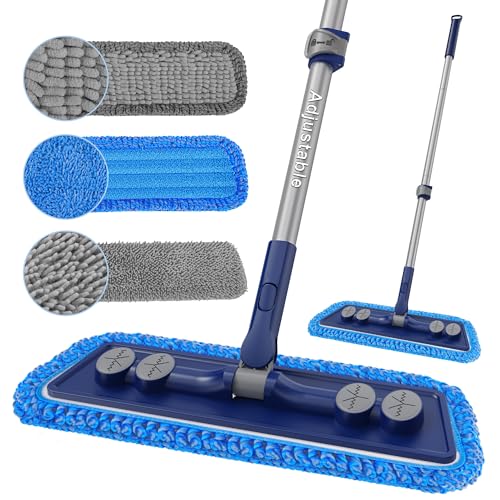
- Microfiber mop with washable pads for floor cleaning


Before You Start
Assess floor types and verify finish compatibility. Sealed hardwood and most ceramic tiles tolerate steam, but unsealed wood or laminate can warp if exposed to excess moisture. Perform a quick spot test in an inconspicuous area before wide use. Prepare the space by removing obstacles and sweeping or vacuuming to reduce debris. Time estimate: 30–60 minutes for a typical two-room cleaning session. Always unplug tools before refilling water tanks or changing pads.
Step-By-Step: How To Get Floors Really Clean
- Clear furniture and obstacles; seal off high-traffic zones if needed to prevent recontamination during cleaning.
- Dry-dust or vacuum to remove loose dirt, hair, and grit that can dull surfaces when scrubbed.
- Choose the right tool: use a microfiber mop for routine dirt, a steam mop for sanitizing sealed floors, or a rotary scrubber for grout lines and textured surfaces.
- Fill the cleaning device with water and approved cleaning solution if required by the manufacturer; avoid overfilling.
- Test a small area to confirm no adverse effects on finish, then begin work in sections, moving methodically from one edge to the other.
- For steam devices, glide slowly to maximize contact time; for scrubbers, use overlapping passes to lift embedded grime without over-wetting.
- Rinse or wipe captured residue as needed if your device does not extract dirty solution directly.
- Pay extra attention to high-traffic zones and grout lines; run the device along grout without forcing it to prevent damage.
- Allow floors to dry completely before reintroducing furniture; use fans or open windows to speed up drying when possible.
- Clean and dry pads or brushes after use; store devices in a dry area to prevent mold or odors.
- Perform a quick post-clean check for sticky residues or damp patches and repeat targeted cleaning if necessary.
Troubleshooting
| Symptom | Likely Cause | Fix | Prevention |
|---|---|---|---|
| Floors still feel slippery after cleaning | Residue from cleaning solution | Rinse with clean water and re-wipe, or switch to a water-only cycle if possible | Use the recommended concentration and avoid leaving soap films |
| Steam device stops producing steam | Water tank empty or clogged vent | Refill tank and clear nozzle/Vent according to manual | Empty and refill promptly; use distilled water if advised |
| Discoloration on wood after steam | Excess moisture or incompatible finish | Switch to a dry-mopping approach or a lower-moisture setting | Test first; avoid prolonged steam on unsealed surfaces |
| Scrubber pads wear quickly | Hard surface or excessive scrubbing pressure | Adjust speed setting; use lighter passes on delicate floors | Choose pad type appropriate for the floor |
Common Mistakes
- Using steam on unsealed wood or laminate flooring
- Over-wetting floors, leaving standing water
- Using the wrong pad for the floor type
- Skipping a test patch before full-area cleaning
- Neglecting to clean pads and brushes after use
Tips For Best Results
- Regular maintenance reduces deep-clean need; establish a routine for daily dry cleaning and weekly deep cleaning.
- Rotate tools to match floor type: hardwood, tile, and grout respond differently to cleaning action.
- Use microfiber pads with washable reuse to cut waste and improve performance.
- Keep humidity in check; excessive moisture can damage certain floors and promote mold in grout.
- Label storage areas by floor type to prevent cross-contamination between tools.
Call A Professional
Consider professional help if floors show ongoing staining, warped edges, or finish damage after multiple cleanings. Stop cleaning and consult a pro when: persistent discoloration, peeling finish, or tiles detaching is observed. If uncertainty remains about floor compatibility with devices, a flooring specialist can provide tailored guidance.
FAQ
Can I use a steam mop on all floors?
Steam mops are suitable for sealed hardwood and most tile surfaces, but should be avoided on unsealed wood, laminate, or damaged finishes.
How often should I deep-clean tile grout?
Deep cleaning grout every 4–6 weeks helps prevent buildup and discoloration, depending on traffic and staining.
Is a rotary floor scrubber safe for hardwood?
Yes, but only on sealed hardwood with appropriate pads and a gentle setting; test a small area first.
Are microfiber pads better than disposable wipes?
Microfiber pads are reusable, more eco-friendly, and typically more effective at lifting dirt when paired with water or approved cleaners.
Should I vacuum before scrubbing?
Yes; removing loose dirt prevents rubbing grit into the surface and reduces scratching during cleaning.
Can I mix cleaning solutions in steam devices?
Only use solutions recommended by the device manufacturer to avoid damage or safety risks.
How do I prevent mold under rugs after cleaning?
Ensure floors dry quickly and keep ventilation high; consider using dehumidifiers in damp areas.
Buying Guide
Choosing the right floor-cleaning setup depends on floor type, cleaning frequency, and tolerances for moisture and noise. Consider the following factors to compare options effectively:
- Size and weight: Lighter machines are easier to maneuver in small spaces, but heavier units may offer more robust scrubbing power.
- Noise level: Look for devices with lower decibel ratings for apartment living or shared walls.
- Energy efficiency: Devices with efficient motors and long-lasting pads reduce running costs and waste.
- Controls and indicators: Intuitive controls, water tank alerts, and pad-change indicators simplify daily use.
- Placement and storage: Compact designs fit neatly in closets; consider cord length and hose reach for large rooms.
- Floor compatibility: Verify that the device suits hardwood, tile, or grout cleaning and any special finishes.
- Pad and accessory options: Reusable microfiber pads reduce ongoing costs; check availability of replacement parts.
When comparing models, think about routine tasks versus heavy-duty cleaning. A lightweight upright steam cleaner can cover most floors quickly, while a dedicated rotary scrubber excels on stubborn grout. If unsure, start with a versatile option that accepts multiple pad types and includes a test patch protocol. A well-chosen tool reduces time and delivers consistent, thorough results.