Burn stains on stove surfaces can be stubborn, especially on glass and ceramic cooktops. This guide provides practical, safe methods using common cleaning tools to restore a spotless surface without damaging the finish. Readers will find step-by-step instructions and troubleshooting tips tailored for American kitchens.
Quick Answer
For burn stains on a glass or ceramic stove, start with a gentle cleaner and a non-scratch pad. If stains persist, use a dedicated burn stain remover with a scraper designed for glass cooktops. Finish by applying a ceramic cooktop cleaner to polish and protect the surface. Always move from mild to strong cleaners to minimize scratching.
What You’ll Need
- ceramic cooktop cleaner with scraper
- glass stove top burn stain remover
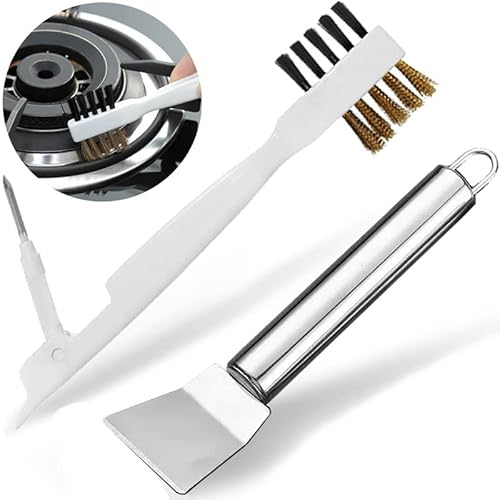
- stovetop scraper tool with blade
- non-scratch scrub pad for glass stove top
- stovetop cleaning brush set for burnt-on grease


Before You Start
Work on a cool stove to prevent steam burns or further damage. Remove loose debris with a dry cloth before applying cleaners. Do a small test patch in an inconspicuous area to ensure compatibility with your cooktop. Never use abrasive steel wool on glass or ceramic surfaces, as it can scratch and dull the finish. Plan for a 15–30 minute cleaning session, depending on stain severity.
Step-By-Step: How To Remove Burn Stains From A Glass Or Ceramic Stove
- Wipe the surface with a damp cloth to remove loose soot and food particles.
- Apply a small amount of glass stove top burn stain remover to the affected area and let it sit for 2–3 minutes.
- Gently rub with a non-scratch scrub pad for glass stove top, using circular motions to loosen burnt-on residue.
- For stubborn stains, use the stovetop scraper tool with blade to lift burnt deposits carefully, keeping the blade at a shallow angle.
- Wipe away residue with a clean, damp cloth and check for remaining stains. Repeat as needed.
- Apply a thin coat of ceramic cooktop cleaner with scraper to polish the surface and restore even reflection.
- Buff with a dry microfiber cloth until the surface shines and feels smooth to the touch.
- For routine maintenance, spray a light mist of water and wipe with a soft cloth to prevent future buildup.
- Store cleaning tools in a dry place and designate a separate pad or scraper for cookware to avoid cross-contamination.
- Document any persistent marks that don’t respond to cleaning for potential professional assessment if needed.
- Recheck the area after cooling; ensure there are no remaining residues that could cause scratches during next use.
Troubleshooting
| Symptom | Likely Cause | Fix | Prevention |
|---|---|---|---|
| Stains persist after cleaning | Deep-etched residue | Use a dedicated burn stain remover with a scraper; repeat | Clean promptly after cooking to prevent buildup |
| Surface looks dull after cleaning | Harm from abrasive pad | Switch to non-scratch pads; re-polish with ceramic cleaner | Avoid metal scrubbers |
| Scratches appear | Razor blade or abrasive tool used too aggressively | Cease heavy scraping; use milder methods | Test in hidden area first |
| Streaks remain after buffing | Residue from cleaner | Wipe with a damp cloth, then dry thoroughly | Rinse tools between passes |
Common Mistakes
- Using abrasive cleaners or steel wool on glass or ceramic surfaces
- Over-scraping with blades, causing micro-scratches
- Not letting cleaners sit long enough to break down burnt-on deposits
- Neglecting to wipe away cleaner residue, which can cause streaks
Tips For Best Results
- Always work with a clean, damp cloth between steps to lift debris without scratching.
- Choose products designed specifically for glass or ceramic cooktops for best results.
- Regular maintenance reduces the intensity of future stains; wipe after spills once cool.
- Consider a routine shield or polish after deep cleaning to enhance surface smoothness.
Call A Professional
Contact a professional if burn stains are deeply etched, if the surface shows white hazing, or if heating elements are not functioning correctly. Stop cleaning attempts if you notice cracking, bubbling, or unusual heat patterns, as these can indicate structural damage.
FAQ
Can I use cookware cleaner on a glass stove top?
Yes, use a product formulated for glass or ceramic surfaces, following the label directions.
Is a scraper blade safe for glass cooktops?
Yes, when used with care and at a shallow angle; avoid heavy pressure.
How often should I deep clean my stove top?
Depending on usage, 1–2 times per month can help prevent buildup; adjust frequency as needed.
Will vinegar help remove burn stains?
Vinegar can aid in general cleaning but for stubborn burn stains, specialized burn stain removers are typically more effective.
What if stains reappear after cleaning?
Repeated use of a dedicated cleaner with a scraper and proper polishing usually resolves recurring residues.
Buying Guide
When choosing products for removing burn stains on glass or ceramic stove surfaces, consider size, compatibility, and ease of use. Key factors include:
- Size and coverage: Larger cleaners can cover more area per use, but ensure precision for edge areas.
- Cleanser type: Look for glass stove top burn stain remover and ceramic cooktop cleaner with scraper for selected surfaces.
- Scraper design: A safe blade or plastic scraper that maintains a shallow angle protects the surface.
- Non-scratch pads: Essential to prevent micro-scratches on delicate glass or ceramic finishes.
- Ease of use: Quick-drying formulas and clear instructions improve routine maintenance.
- Safety: Choose products with low-odor formulas and compatible safety warnings for kitchen use.
- Cost and availability: Availability in local stores or online helps plan purchases around cleaning cycles.
For many homeowners, a combination approach works best: start with a gentle cleaner, escalate to a burn stain remover with a scraper for stubborn spots, and finish with a polish to restore sheen. Do you want to keep a small kit ready with a scraper, a non-scratch pad, and a dedicated glass/ceramic cleaner? A ready-to-go kit can simplify maintenance while protecting the stove’s appearance and resale value.