Fruit flies around the kitchen are not just a nuisance; they signal organic material lingering in drains or disposals. This guide offers practical, step-by-step methods to reduce and prevent fruit fly activity by addressing the garbage disposal and surrounding plumbing. Clear, actionable steps can help restore a cleaner, fresher kitchen environment.
Quick Answer
Start with a thorough disposal clean, then eliminate breeding sites by flushing with hot water and a natural cleaner. If odors persist, use odor control products designed for disposals and check for clogs with a drain auger snake. Regular maintenance reduces recurring fruit fly problems.
What You’ll Need
- Garbage disposal cleaning brush
- Allen wrench garbage disposal (for jam-clearing)
- Garbage disposal maintenance kit
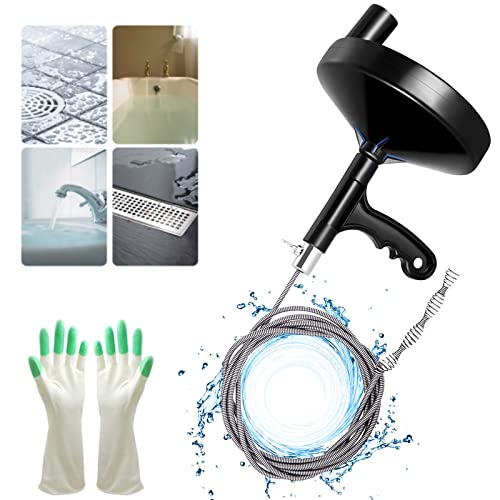
- Drain auger snake garbage disposal
- Garbage disposal odor control kit


Before You Start
Assess the area: remove items from the sink area, run the tap, and ensure the disposal is off to prevent injury. Do not put your hands into the disposal while testing. Never use chemical drain cleaners in a disposal; they can damage the unit and pipes. Plan for a 20–40 minute cleaning session, plus time for odor-control products to work. If you notice persistent leaking, loud grinding, or a rotten-egg smell that returns, there may be deeper issues requiring professional help.
Step-By-Step: How To Eliminate Fruit Flies From A Garbage Disposal
- Clear the area and remove standing water or debris from the sink and disposal bowl.
- Reset the disposal: locate the hex opening under the unit and insert an Allen wrench to manually turn the blades for 10–15 seconds.
- Run cold water and turn on the disposal to flush debris toward the traps and drainpipes.
- Use a garbage disposal cleaning brush to scrub accessible interior surfaces and the splash guard to remove slime and food particles.
- Grind citrus peels or a mix of baking soda and vinegar in short bursts to deodorize; follow with hot water flush.
- If odors persist, apply a garbage disposal odor control kit according to the product’s instructions for odor neutralization.
- Inspect the trap and pipes for clogs with a drain auger snake garbage disposal; gently loosen any buildup and remove it with gloves.
- Address any leaks or loose fittings by tightening connections and, if needed, using plumber’s tape on threaded joints.
- Maintain routine cleaning by performing monthly flushes and using the maintenance kit as needed.
- Keep lids closed when not in use and minimize perishable waste in the disposal to reduce breeding grounds for fruit flies.
- Replace or refresh odor-control components every few months to maintain freshness and deter insects.
Troubleshooting
| Symptom | Likely Cause | Fix | Prevention |
|---|---|---|---|
| Persistent fruit flies after cleaning | Breeding sites in trap or drain | Install or refresh odor-control kit; sanitize traps and seals | Regular maintenance; avoid standing water |
| Disposal won’t grind or hum | Jam or obstruction | Use Allen wrench to rotate blades; remove blockage | Avoid hard objects; run cold water during operation |
| Bad odor returns quickly | Organic buildup in pipes | Flush with baking soda and vinegar; use cleaning brush | Monthly cleaning routine |
| Leaks around disposal | Loose mounting or worn gasket | Tighten fittings; replace gasket | Inspect connections during maintenance |
| Clogged drain despite cleaning | Accumulated debris in trap or pipe | Use drain auger snake to clear | Grind smaller amounts; avoid fibrous waste |
Common Mistakes
- Using chemical drain cleaners in or near a disposal, which can damage seals and pipes.
- Ignoring odor symptoms, assuming they’ll dissipate without cleaning the trap and pipes.
- Rushing the jam-clearing process without unplugging or safely disabling power.
- Pouring hot grease down the disposal, which can solidify and trap debris.
Addressing fruit flies requires a combination of mechanical cleaning, odor management, and routine upkeep.
Tips For Best Results
- Run the disposal with cold water for at least 15 seconds after grinding to flush debris away from the trap.
- Use a maintenance kit every few months to keep blades sharp and seals intact.
- Grind citrus rinds or fresh herbs to naturally deodorize and leave a fresh scent.
- Limit the disposal’s load to prevent overloading and reduce stagnation where fruit flies breed.
Call A Professional
Seek professional help if there is:
- Repeated leaks or rusting around the unit
- Persistent gnawing sounds or grinding noises despite attempted clearing
- Unresolved foul odors after cleaning and odor-control treatments
- Electrical concerns or improper installation signs
In these cases, a licensed plumber or appliance technician can assess the disposal and plumbing system, ensuring safe operation and proper venting to prevent future infestations.
FAQ
What causes fruit flies to appear in a garbage disposal?
Fruit flies are drawn to any organic material left in the disposal or pipes, especially damp, dark areas where fermentation can occur.
Can I use bleach or other cleaners in the disposal?
Strong cleaners can damage seals and pipes; use manufacturer-approved cleaners or a maintenance kit designed for disposals.
How often should I clean the disposal?
Perform a thorough clean every 1–3 months, and run a quick rinse after each heavy use to minimize buildup.
Is there a specific order for cleaning products?
Start with mechanical cleaning, then flush with water, and finally apply odor-control or maintenance products as directed.
When should I replace my garbage disposal?
If the unit is old, leaking repeatedly, or inefficient despite maintenance, replacement may be more cost-effective than ongoing repairs.
Buying Guide
When choosing accessories to prevent or fix fruit fly issues around garbage disposals, consider several factors to optimize performance and ease of maintenance.
Key Buying Factors
- Size and compatibility: Ensure tools and kits fit your model and sink configuration.
- Noise level: Look for components designed to minimize vibration and humming during operation.
- Energy efficiency: While most disposals don’t consume much energy, choose efficient maintenance tools to reduce unnecessary cycles.
- Controls and ease of use: Simple, clearly labeled kits reduce the risk of improper use.
- Placement and accessibility: Use tools that are easy to store under the sink and reach during routine maintenance.
Additional Resources
Owners may also benefit from manufacturer manuals and online tutorials specific to their disposal model to ensure compatibility and safe operation.