Porcelain pavers offer durable, low-maintenance surfaces for patios, walkways, and pool decks. Regular cleaning keeps their color consistent and prevents staining or efflorescence. This guide provides practical, step-by-step methods using common outdoor cleaning tools and safe practices for American homeowners.
Whether you’re refreshing after winter or tackling built-up grime from high-traffic areas, the right technique combines mechanical action with the appropriate cleaning products. The approach below emphasizes care for porcelain’s glazed surface while avoiding damage to grout lines and nearby landscaping.
Quick Answer
For routine cleaning, use a stiff-bristle brush or a rotating nylon scrub brush with cool water and a mild detergent. For heavy staining, pair a pressure washer (around 2000 PSI) with a surface cleaner, then rinse thoroughly. Always test a small area first and avoid harsh chemicals that can dull glaze.
What You’ll Need
- Porcelain paver cleaning brush stiff bristle deck brush 18 inch
- Pressure washer for porcelain pavers 2000 PSI with surface cleaner
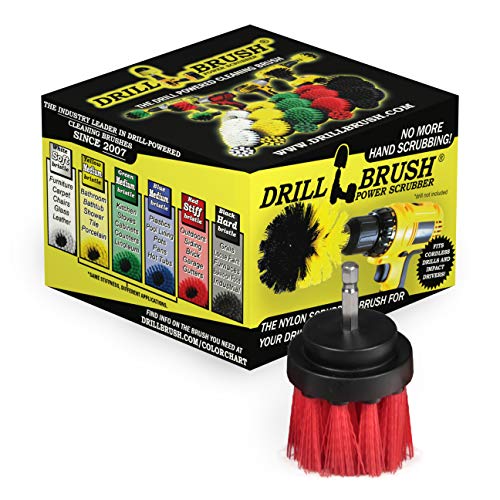
- Rotating nylon scrub brush for paver cleaning
- Paver joint brush outdoor grout brush for porcelain
- Outdoor squeegee for porcelain paver cleaning


Before You Start
Inspect the area for loose tiles or damaged grout. Remove debris, furniture, and planters to prevent staining. Protect nearby plants by wetting soil before applying cleaners and rinsing away runoff. Wear eye protection and gloves, and use low-pressure settings on power equipment to prevent surface etching. Estimate the job time as 30 minutes to a few hours depending on area size and staining severity.
Step-By-Step: How To Clean Porcelain Pavers
- Clear the area and sweep away loose dirt with a stiff brush or broom to minimize muddy runoff.
- Rinse the surface with plain water to loosen dust and debris before applying cleaner.
- Prepare a mild cleaning solution using a pH-balanced detergent. Avoid acidic or highly alkaline cleaners that can damage the glaze.
- Dip the 18 inch stiff bristle deck brush into the solution and scrub in a consistent, overlapping pattern to lift surface grime.
- For stubborn stains, use a rotating nylon scrub brush to focus on the area without over-scrubbing grout lines.
- Rinse frequently with clean water to prevent soap film and to remove loosened grime before it dries.
- If grout lines appear dirty, scrub them with a paver joint brush to clean the joints without dislodging grout.
- For larger patios, consider a surface cleaner attached to a pressure washer. Use a gentle pass to avoid chipping or discoloration.
- Rinse the entire area again until no cleaner residue remains, then allow the surface to dry completely.
- Inspect for remaining spots. Repeat targeted cleaning on persistent stains using the appropriate brush and cleaner.
- Apply a light rinse with a controlled spray at the end to ensure uniform finish and avoid pooling near edges.
- Reposition furniture and decor once the pavers are dry to prevent new marks.
Troubleshooting
| Symptom | Likely Cause | Fix | Prevention |
|---|---|---|---|
| Hazy film after cleaning | Soap residue or mineral deposits | Rinse thoroughly with clean water; rewash if needed | Use minimal soap and avoid hard water |
| Stains that resist cleaning | Deep-set organic or oil stains | Apply targeted cleaner and scrub with a nylon brush; repeat as needed | Clean spills promptly; seal porous joints if recommended |
| Discoloration or glaze wear | Overly aggressive scrubbing or harsh chemicals | Switch to gentler cleaners; reduce brushing pressure | Test in a hidden area first |
| Water beads or pools unevenly | Improper leveling or surface damage | Consult a pro for raised areas; avoid aggressive power washing | Periodic maintenance and inspection |
Common Mistakes
- Using high-alkaline or acidic cleaners on porcelain glaze
- Over-scrubbing grout lines, which can loosen joints
- Relying solely on a pressure washer without a surface cleaner on large areas
- Skipping a test patch before applying cleaner to the whole area
- Allowing cleaning solution to sit too long on the surface
Tips For Best Results
- Work with the grain and use overlapping strokes to avoid streaks.
- Wet plants and surrounding soil to dilute runoff and protect landscaping.
- Choose a low-pressure setting when using a pressure washer to minimize glaze abrasion.
- Always rinse in multiple directions to ensure complete removal of cleaner residue.
- Schedule deep cleanings during mild weather to prevent rapid drying and spotting.
Call A Professional
Consider a pro if the space is extensively stained, grout is damaged, or there are widespread cracks. Stop signs include significant tile looseness, recurring efflorescence, or stubborn discoloration after multiple cleanings. A professional can assess sealing options, drainage issues, and long-term maintenance strategies tailored to porcelain pavers.
FAQ
Can porcelain pavers be cleaned with a power washer?
Yes, a pressure washer (around 2000 PSI) with a surface cleaner can help remove built-up grime, but use low pressure and avoid harsh detergents.
What cleaners are safe for porcelain pavers?
Use pH-balanced, non-acidic detergents designed for outdoor stone or tile surfaces.
How often should porcelain pavers be cleaned?
Routine cleaning monthly during peak seasons is common, with deeper cleanings a few times per year as needed.
Is sealing porcelain pavers necessary?
Porcelain surfaces generally resist staining, but sealing may be recommended for high-traffic areas or to protect grout joints; follow manufacturer guidance.
Buying Guide
When selecting tools and accessories for cleaning porcelain pavers, consider size, durability, and compatibility with outdoor conditions. For larger patios, a sturdy 18-inch brush reduces cleaning time, while a rotating nylon scrub brush can tackle stubborn grime without harming the glaze. A surface cleaner attachment paired with a 2000 PSI pressure washer makes quick work of persistent staining without over-scrubbing. Choose a paver joint brush suitable for porcelain to keep joints looking clean without damaging grout. Lastly, an outdoor squeegee helps finish and prevent pooling along edges.
Key buying factors include size and reach of the brush, noise level and energy use of the cleaning equipment, and placement of the project area. Consider the surface layout—whether you need a handheld brush for tight corners or a wide surface cleaning kit for broad expanse. Look for ergonomics, weather resistance, and ease of storage in outdoor cleaning tools. If unsure, consult product manuals or customer reviews to ensure compatibility with porcelain pavers and existing grout materials.