Vaseline, or petroleum jelly, is a common household product that can leave greasy residues on skin, fabric, and surfaces. This guide provides practical steps to remove Vaseline using readily available tools, with attention to protecting surfaces and avoiding damage. The methods work for spills on countertops, floors, and fabrics.
Quick Answer
Act quickly to blot excess Vaseline, then use a degreasing cleaner followed by soap and water. For fabrics, treat the stain with a gentle solvent or detergent, and for hard surfaces, finish with hot water and a microfiber cloth to lift any remaining film.
What You’ll Need
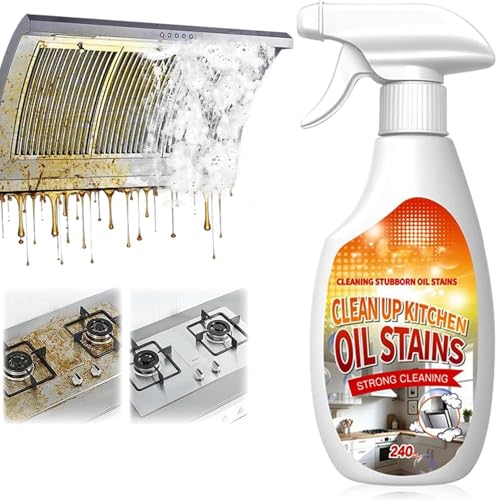
- Kitchen degreaser spray for petroleum jelly cleanup
- Plastic scraper for grease spills
- Microfiber cleaning cloths grease stain cleanup
- Scrub brush for stuck-on grease
- Absorbent towels oil spill cleanup


Before You Start
Clear the area of loose Vaseline and protect nearby surfaces with a soft cloth or disposable paper towels. Work in a well-ventilated area if using cleaners with strong scents. Test cleaners on a hidden area first to ensure no discoloration. Time estimates: quick wipe (5–10 minutes), deeper clean (15–30 minutes). Critical cautions: avoid heat on petroleum residues that could spread the grease; do not mix cleaners unless the label permits; wear gloves if you have sensitive skin.
Step-By-Step: How To Clean Up Vaseline
- Blot the spill with absorbent towels to remove excess Vaseline without rubbing it further into the surface.
- Use a plastic scraper for grease spills to lift hardened patches from hard surfaces, keeping the blade angled away from the surface.
- Apply a light mist of kitchen degreaser spray for petroleum jelly cleanup directly onto the spot and let it sit for 30–60 seconds.
- Gently scrub with a microfiber cleaning cloth or a scrub brush for stuck-on grease, working in circular motions from outside the stain toward the center.
- Wipe away the loosened grease with a clean cloth, repeating the degreaser treatment if needed for stubborn traces.
- Rinse the area with warm water and wipe dry with a fresh microfiber cloth to remove any remaining residues.
- For fabrics, dab the stain with a mild detergent mixed with water, then launder as recommended by fabric care labels; air-dry and check for residual grease before storing.
- On upholstery or carpet, apply a small amount of dish soap solution, blot, and rinse with clean water until the stain lifts; avoid saturating the fabric.
- If odor persists, sprinkle a light layer of baking soda after cleaning, wait 10–15 minutes, then vacuum or wipe away.
- For outdoor concrete or tile, repeat the degreaser and rinse process, drying thoroughly to prevent slipperiness.
- Dispose of used towels and paper in a sealed bag to prevent spreading grease further.
- Inspect the area after drying; repeat any step if a faint film remains, then re-wipe with a dry microfiber cloth for final finish.
Troubleshooting
| Symptom | Likely Cause | Fix | Prevention |
|---|---|---|---|
| Grease residue remains after cleaning | Insufficient degreasing or rinsing | Reapply degreaser, scrub gently, and rinse thoroughly | Pre-treat spills quickly; test cleaners first |
| Stain on fabric after washing | Heat setting or incomplete stain removal | Re-treat with detergent and air-dry, repeat wash | Avoid high heat until stain is proven gone |
| Surface discolors after cleaning | Cleaner reacts with finish | Rinse with plain water and dry; test on inconspicuous area | Spot-test cleaners before full use |
| Grease smell lingers | Oil absorbed into porous material | Apply baking soda, wait, then vacuum or wipe away | Clean promptly to prevent absorption |
Common Mistakes To Avoid
- Using abrasive tools that scratch surfaces
- Rubbing vigorously, which spreads grease
- Using hot water on certain fabrics that set oil stains
- Skipping a rinse step, leaving behind cleaner residue
- Ignoring fabric care labels on upholstered items
Tips For Best Results
- Work from the outer edge of the spill toward the center to prevent spreading.
- Choose a cleaner compatible with the surface type to avoid damage.
- Keep a small, dedicated microfiber cloth for grease-specific cleanup to maintain effectiveness.
- On porous surfaces, avoid oversaturation; apply cleaner in light, controlled bursts.
Call A Professional
Consider a pro if spills involve delicate materials (silk, untreated wood, antique finishes) or if the stain covers a large area and simple cleaning is ineffective. Seek professional help for persistent odors, dye bleed, or suspected damage to paint or varnish.
FAQ
Can Vaseline stains be removed from fabric?
Yes, treated promptly with a mild detergent or solvent, most fabric stains can be lifted with careful blotting and washing.
Is heat dangerous for Vaseline spills?
Heat can set oil-based stains; avoid high temperatures until the stain is fully removed.
What if I don’t have a degreaser?
Dish soap mixed with warm water is a common alternative for many grease spills, followed by a thorough rinse.
Should I use a solvent on fabric stains?
Only if the fabric care label allows; test on an inconspicuous spot first to avoid fabric damage.
Buying Guide
When choosing products for Vaseline cleanup, consider size, concentration, and surface compatibility. For household use, a versatile kitchen degreaser spray often offers quick results on hard surfaces, while microfiber cloths provide effective pickup without scratching. Noise level, energy efficiency, and smart controls are less relevant for cleaning supplies, but choose compact, spray-compatible packaging for easy storage. If dealing with multiple surfaces (countertops, fabrics, floors), look for a multi-surface degreaser and a set of dedicated tools like a plastic scraper, scrub brush, and absorbent towels to cover various messes. For best results, keep a consistent kit ready in the cleaning cabinet and label tools to prevent cross-use on delicate surfaces. Would you benefit from keeping a small stain-removal kit with these items for quick responses?