Artillery fungus, a common problem in mulch beds, can stain siding and outdoor surfaces. This article provides a practical, step-by-step approach tailored for American homeowners to reduce and manage artillery fungus growth. By combining proper inspection, treatment, and maintenance, mulch beds can stay cleaner and healthier.
Quick Answer
Fast method: Identify infected mulch, remove it, treat remaining soil or mulch with a fungicide, and clean the area with high-pressure tools designed for outdoor use. Replenish mulch with fresh, clean material and maintain a dry, well-ventilated mulch bed to minimize future spore spread.
What You’ll Need
- Pressure washer 1800 psi concrete cleaning artillery fungus
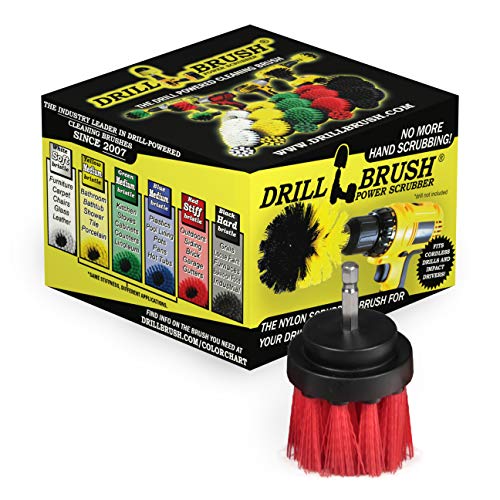
- Stiff bristle deck brush for artillery fungus mulch cleanup
- Garden sprayer for fungicide mulch treatment
- Mulch replacement rake to remove infected mulch
- High pressure leaf blower for debris after mulch cleanup


Before You Start
Prepare the area by guarding any nearby plants, siding, and windows to prevent spray damage. Wear eye protection, gloves, and a mask if dust or spores are present. Plan to work on a dry day with no immediate precipitation forecasted for at least 24 hours, since moisture promotes fungal growth. Estimate 2–4 hours for a typical bed cleanup, depending on mulch depth and square footage. Avoid using water jets directly on painted or fragile surfaces to prevent streaks and damage.
Step-By-Step: How To Remove Artillery Fungus From Mulch
- Assess the mulch bed and identify visibly infected areas where spores are most dense.
- Wear protective gear and use a rake to lift and separate the top layer of mulch. Remove the most contaminated material and set it aside for disposal.
- Use a mulch replacement rake to remove the removed layer and inspect the soil surface for remaining debris and spores.
- Apply a targeted fungicide using a garden sprayer, following label directions for dilution and coverage on mulch and surrounding soil.
- Clean the area with an 1800 psi pressure washer held at a safe distance to dislodge stubborn fungal mats without damaging surfaces.
- Scrub residual growth with a stiff bristle deck brush to physically break apart fungal colonies and loosen embedded material.
- Rinse thoroughly and allow the area to dry completely. Remove any remaining loose debris with a high pressure leaf blower to minimize re-spread.
- Replace mulch with clean, weed-free material of similar depth. Consider spacing and airflow to reduce moisture retention.
- Monitor the bed for signs of new growth over the next several weeks and re-treat if necessary, targeting any new outbreaks quickly.
- Establish ongoing maintenance: avoid overwatering, and periodically refresh mulch to prevent buildup of decaying material that feeds fungi.
- Keep adjacent surfaces clean and maintain a dry zone around the bed to deter spore transfer.
- Document changes and schedule seasonal checks to catch problems early, especially after heavy rains.
Troubleshooting
| Symptom | Likely Cause | Fix | Prevention |
|---|---|---|---|
| Persistent staining after cleanup | Residual spores on surface | Re-spray area with fungicide and re-sweep | Apply mulch sealant and keep area dry |
| Reinfection within weeks | New spores from adjacent plantings | Extend treatment boundaries and inspect nearby mulch | Replace nearby contaminated mulch |
| Moist mulch after rain | Excess moisture retention | Improve drainage and mulch depth | Use well-draining mulch and space plants |
| Damage to brick or siding from pressure washing | Too close or too aggressive wash | Increase distance, reduce pressure, and use a gentle pass | Protect surfaces with plastic sheeting |
Common Mistakes
- Over-wetting mulch or relying on water alone to remove spores
- Skipping the removal of visibly infected mulch
- Underestimating the importance of drying time after cleaning
- Using inappropriate tools that damage surfaces or spread spores
- Failing to monitor and re-treat when new growth appears
Tips For Best Results
- Choose mulch with good drainage and avoid wood mulch that remains damp for long periods.
- Apply fungicide only where needed and follow label directions to prevent residue buildup on non-target plants.
- Regularly refresh mulch every season or after heavy storms to reduce the food source for artillery fungus.
- Maintain a dry buffer zone around the mulch bed by trimming vegetation and improving airflow.
Call A Professional
Seek professional help if the infestation covers a large area, if staining extends to siding or brick, or if repeated cleanups fail to reduce visible growth. Immediate help is advised for homes with sensitive landscaping, frequent rain, or persistent mold-like odors around the mulch bed.
FAQ
What causes artillery fungus to grow in mulch?
Artillery fungus thrives in damp, decaying mulch and can spread via wind-born spores to nearby surfaces.
Can I use a regular garden hose to remove the fungus?
A hose alone is usually insufficient; a pressure washer and physical scrubbing are more effective for embedded material.
Is mulch replacement necessary every time I see mold?
Not always, but removing heavily infected mulch and replacing it with fresh mulch dramatically reduces recurrence.
How often should I inspect mulch beds for artillery fungus?
Inspect after heavy rains and at the start of the growing season; a quick check every 4–6 weeks during peak season helps prevent outbreaks.
Buying Guide
Choosing the right tools and materials for artillery fungus control depends on several factors. Consider the following when shopping for mulch cleanup and treatment equipment:
- <bSize and performance: An 1800 psi pressure washer is typically strong enough to loosen fungal mats without damaging most exterior surfaces, but inspect your surfaces first and adjust distance accordingly.
- <bNoise and ease of use: If you need to work near living spaces, select quieter models and ergonomic designs to reduce fatigue during extended cleanups.
- <bEnergy efficiency: Electric motors are common and reliable for household outdoor cleaning tasks; consider corded vs. cordless options based on yard size.
- <bControls: Look for straightforward spray pattern controls and detergent injection for efficient fungicide application.
- <bPlacement and storage: Store equipment in a sheltered area to prevent winter damage and ensure easy access for seasonal maintenance.
- <bMulch and soil compatibility: Use mulch that drains well and avoid materials that retain excessive moisture in your climate.
- <bAlternatives: In addition to tools, consider replacing heavily infected mulch and incorporating landscape fabric or edging to reduce spore movement.
With the right combination of tools, timely removal, and preventive care, artillery fungus in mulch can be managed effectively. Always follow product labels and safety guidelines, and tailor the approach to your local climate and landscape.