Moving into a newly built or freshly renovated home often comes with a distinct, lingering odor. This guide provides practical, step-by-step methods to reduce and remove these smells using common household tools and targeted odor-eliminating products. The aim is to create a fresh, healthy living environment without resorting to harsh or hazardous methods.
Quick Answer
Ventilate often by opening windows and doors for several hours daily. Use an air purifier with a HEPA filter and activated carbon to capture particulates and odors. Consider odor absorbers like activated charcoal or odor-eliminating bags in key rooms. For stubborn smells, steam clean surfaces and run the HVAC with fresh air to disperse contaminants.
What You’ll Need
Below is a recommended toolkit tailored to neutralize new-home odors. The list prioritizes items that target volatile organic compounds (VOCs), cooking and construction odors, and residual dampness that can amplify smells.
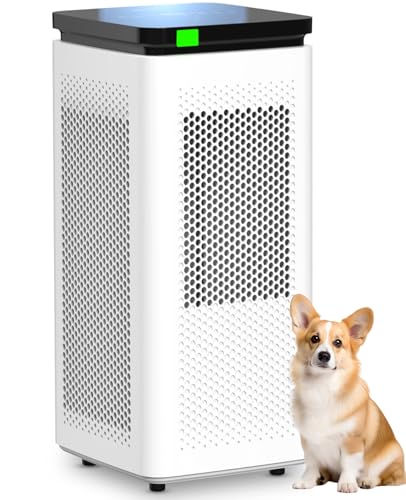
- HEPA air purifier with activated carbon filter for odors
- Ozone generator for indoor odor removal
- Activated charcoal odor absorber bags for home
- Steam cleaner with deodorizing function for new home
- Carbon filter air purifier replacement filter for odors


Before You Start
Before beginning, identify high-odor rooms such as kitchens, finishing areas, or basements. Ensure good ventilation but avoid running ozone generators in occupied spaces without professional guidance, as ozone can irritate lungs and is not recommended for continuous household use. Protect eyes and skin when handling chemical cleaners, and test a small area before applying cleaners to walls, carpets, or fabrics. Time estimates vary by home size and odor intensity; plan for a multi-day effort with daily ventilation and cleaning sessions.
Step-By-Step: How To Get Rid Of The New House Smell
- Open all doors and windows to create a cross-breeze. Fresh air helps dilute VOCs released from paints, finishes, and new materials.
- Run the HVAC system on fresh-air mode for several hours each day, if possible, to circulate outdoor air through the home.
- Place activated charcoal bags in strategic locations—near gross odor sources, in closets, and in living areas—to absorb smells passively.
- Deploy a HEPA air purifier with an activated carbon filter in the living room and bedrooms. Run continuously for best results, and replace filters per manufacturer guidance.
- Use a steam cleaner with deodorizing function on hard surfaces such as floors, tiles, and sealed countertops. Follow product instructions and ensure surfaces are dry before re-use.
- Wipe down surfaces with mild cleaning solutions to remove film from construction materials. Focus on walls, baseboards, and cabinets where vapors may settle.
- Address fabrics and soft furnishings—vacuum curtains, upholstery, and carpets if possible; consider a professional cleaning for textiles if odors persist.
- Spot test and replace air filters in air purifiers and cleaning devices. Odors often cling to recirculated air and filters can saturate quickly.
- Use an ozone generator carefully only in unoccupied spaces and according to safety instructions. Do not operate with people or pets nearby; consider professional guidance for thorough odor removal.
- Repeat ventilation and cleaning cycles over several days. Some odors diminish with continued exposure to fresh air and filtration.
- Monitor for persistent smells and reapply deodorizing measures as needed. Persistent odors may indicate moisture or hidden residue requiring deeper cleaning.
- Schedule a final wipe-down and air purifier run before moving in furniture or textiles to keep the space fresh.
Troubleshooting
| Symptom | Likely Cause | Fix | Prevention |
|---|---|---|---|
| Strong odor persists after ventilation | VOC off-gassing from new materials | Continue filtration and surface cleaning; use charcoal bags | Allow longer curing times before occupancy |
| Musty smell develops | Moisture or mold | Inspect for leaks, run dehumidifier, clean mold-prone areas | Control humidity; fix water intrusion promptly |
| Air purifier shows little odor improvement | Filters saturated or insufficient coverage | Replace carbon filter; add another purifier in a large room | Regular maintenance schedule |
| Ozone odor after generator use | Improper ozone use | Cease use until a pro guides the process; ensure unoccupied spaces | Limit to professional settings or avoid entirely |
| Carpets or fabrics retain odor | Deep-seated VOCs | Steam clean or professional fabric treatment | Ventilate during and after cleaning |
Common Mistakes To Avoid
- Relying on one deodorizing method alone; odors often require a combination of filtration, absorption, and cleaning.
- Running ozone generators without proper safety measures; never use in occupied spaces.
- Neglecting ventilation during the odor-removal process; fresh air accelerates off-gassing reduction.
- ignoring hidden sources like new furniture packaging or flooring adhesives; consider targeted cleaning.
Tips For Best Results
- Use multiple odor-absorbing devices in different rooms to increase surface coverage.
- Rotate purifier placement for even air treatment throughout the home.
- Pair activated carbon filters with high-efficiency filtration to capture both particulates and odors.
- Schedule cleaning cycles during cooler parts of the day to reduce indoor VOC concentrations from off-gassing.
- Keep windows open during initial days after moving in, but monitor outdoor air quality first.
Call A Professional
When odors persist despite diligent home methods, or if moisture problems and mold are suspected, consult an environmental remediation professional. Signs that warrant professional help include persistent chemical smells after weeks, visible mold growth, or recurring dampness that does not respond to dehumidification. Special cases may require building science expertise to identify and remediate hidden VOC sources and ventilation inefficiencies.
FAQ
What causes the new house smell?
New house odors mainly come from off-gassing of paints, finishes, adhesives, and new building materials that release VOCs into the air.
How long does it take to get rid of new home odors?
Typically a few days to a couple of weeks, depending on ventilation, the severity of odors, and cleaning rigor.
Can I use an ozone generator for odor removal?
Ozone generators can remove odors but must be used with caution and only in unoccupied spaces under professional guidance.
Will air purifiers help with new-home smells?
Yes, especially models with activated carbon filters; they capture both particles and odors from the air.
Should I clean fabrics like curtains from the start?
Yes. Fabrics can trap odors; washing or steam-cleaning them can significantly improve air freshness.
Is moisture management important for odor control?
Absolutely. Excess moisture sustains mold and VOCs; use dehumidifiers and fix any leaks promptly.
Buying Guide
Choosing the right odor-control tools involves considering size, noise, energy use, controls, and placement. For air purifiers, select models with both HEPA filtration and activated carbon to capture particles and odors. Consider the room size when choosing purifier capacity, and look for low-noise operation for bedrooms and living spaces. If using odor absorbers, place bags near odor sources and in corners of rooms with limited airflow. For deep cleaning, a steam cleaner with a deodorizing function can help sanitize hard surfaces and reduce lingering smells. If opting for an ozone generator, prioritize professional installation or rental with strict safety safeguards and only in unoccupied areas. Finally, ensure replacement filters are readily available and budgeted for as odors decline and air quality improves.