Nicolock pavers combine durability with a clean, attractive look for outdoor spaces. Regular cleaning helps preserve color, prevent staining, and extend the life of the pavers. This guide provides practical, step-by-step methods using commonly available products to safely remove dirt, mold, mildew, and efflorescence from Nicolock concrete pavers.
Quick Answer
For routine cleaning, sweep away debris and rinse with a garden hose. For stains, apply a targeted cleaner such as Nicolock paver cleaner or paver cleaner for Nicolock concrete pavers, scrub with a stiff brush, and rinse thoroughly. For mold or mildew, use a dedicated remover like mold and mildew remover for Nicolock pavers. If a film or mineral residue remains, try an efflorescence cleaner for Nicolock concrete pavers, then seal with Nicolock paver sealer after drying completely.
What You’ll Need
- Broom or leaf blower
- Garden hose with spray nozzle
- Stiff nylon brush or deck brush
- Masking tape (optional for edging)
- Plastic sprayer or spray bottle
- Commercial or DIY cleaning solutions listed below


Before You Start
Assess the paver condition and identify staining types (organic, mineral, mold). Wear protective gloves and eye protection. Protect nearby plants and grass by wetting them or covering with plastic. Work on a dry, overcast day if possible to prevent rapid drying and uneven cleaning. Avoid high-pressure washers on Nicolock pavers, as excessive pressure can loosen joint sand and damage the surface. Allow surfaces to dry completely before sealing.
Step-By-Step: How To Clean Nicolock Pavers
- Clear area of furniture, plants, and debris; sweep surfaces to remove loose dirt.
- Rinse pavers with a gentle spray to dampen the surface and loosen grime.
- Prepare a cleaning solution. For general cleaning, mix water with a mild detergent. For tougher stains, apply Nicolock paver cleaner or paver cleaner for Nicolock concrete pavers per product instructions.
- Apply cleaner to the pavers, focusing on stained zones. Allow to sit for 10–15 minutes to penetrate.
- Scrub with a stiff nylon brush, moving in straight lines along the joints to avoid pushing material into gaps.
- Rinse thoroughly with a strong spray, ensuring all cleaner residues are removed from the surface and joints.
- For mold or mildew, use a dedicated remover like mold and mildew remover for Nicolock pavers. Follow product directions and ensure complete rinsing.
- If mineral deposits or efflorescence remain, apply efflorescence cleaner for Nicolock concrete pavers, scrub gently, and rinse well.
- Inspect the surface after drying. If needed, repeat the cleaning on stubborn areas.
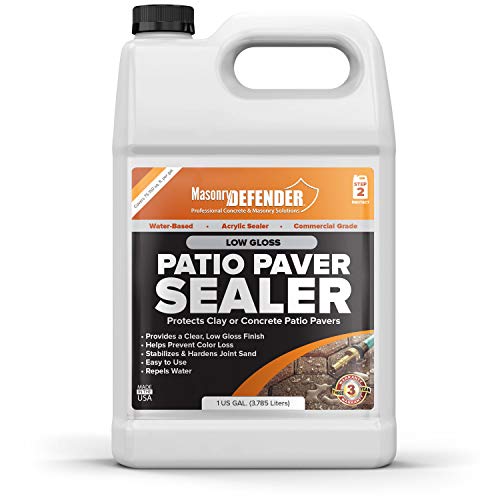
- Once clean and dry, consider applying Nicolock paver sealer to protect against future staining and weathering. Follow sealer directions and ensure full cure time before foot traffic.
Troubleshooting
| Symptom | Likely Cause | Fix | Prevention |
|---|---|---|---|
| Stains persist after cleaning | Deep-set grime or mineral buildup | Repeat cleaning with stronger cleaner or use efflorescence cleaner for Nicolock concrete pavers | Prompt cleaning after spills |
| White powdery residue | Efflorescence | Apply efflorescence cleaner for Nicolock concrete pavers and rinse | Seal pavers after drying |
| Mildew reappears | Shade and moisture create damp conditions | Increase airflow, clean with mold/mildew remover, and seal | Trim vegetation to reduce shade, dry between washes |
| Surface feels rough after cleaning | Overbrushing or abrasive cleaners | Switch to gentler method and rinse thoroughly | Use proper brushes and avoid metal tools |
| Joint sand washed away | Aggressive spraying or cleaning over joints | Avoid high-pressure spray near joints and re-sand as needed | Regular maintenance and sealing |
Common Mistakes
- Using harsh or acidic cleaners that can discolor Nicolock pavers
- Failing to pre-wet surrounding plants or to protect foliage
- Rushing the rinse; leaving cleaner residues behind
- Using a hard-bristle brush on soft pavers or joints
Tips For Best Results
- Test cleaner on a small, inconspicuous area first to confirm colorfastness.
- Work from one end to the other to avoid stepping on cleaned sections and re-soiling them.
- Choose cool, overcast days to prevent rapid evaporation of cleaners and to minimize surface drying marks.
- For porous Nicolock pavers, ensure complete drying before applying sealer to prevent trapping moisture.
- Maintain a regular cleaning schedule; routine maintenance reduces heavy staining and hard-to-remove buildup.
Call A Professional
Seek professional help if pavers have extensive staining, structural damage, or compromised joints. Stop-and-go situations such as pooled water in low spots, persistent efflorescence that resists cleaner, or a loss of joint sand require a pro’s assessment. If you’re unsure about compatibility of cleaners with Nicolock products, a licensed contractor or Nicolock support can provide guidance.
FAQ
Is it safe to use Nicolock paver cleaner on Nicolock pavers?
Yes, using products labeled as Nicolock paver cleaner or compatible paver cleaners is designed for Nicolock surfaces when directions are followed.
Can I seal Nicolock pavers after cleaning?
Yes, applying Nicolock paver sealer after the pavers are completely dry helps protect against stains and weathering.
What removes mold and mildew on Nicolock pavers?
A dedicated mold and mildew remover for Nicolock pavers is effective; follow label directions and rinse thoroughly.
What should I do about efflorescence on Nicolock pavers?
Use an efflorescence cleaner for Nicolock concrete pavers, scrub, and rinse. Dry completely before sealing to prevent recurring deposits.
Buying Guide
When choosing products and planning cleaning for Nicolock pavers, consider several factors to optimize results and maintenance longevity.
- Size and surface type: Nicolock pavers vary in finish and texture; select cleaners formulated for concrete pavers and test on a small area.
- Noise level and equipment: Most cleaning methods rely on manual brushing and rinsing; high-pressure options are generally discouraged to protect joints.
- Energy efficiency: Cleaning with water and mild cleaners uses minimal energy; avoid electric pressure washers to save energy and minimize wear.
- Controls: Choose cleaners with simple application controls or spray bottles for even coverage.
- Placement: Sealing shortly after cleaning helps protect against weather and staining, especially in driveways and patios with heavy foot or vehicle traffic.
- Maintenance schedule: Establish a routine—annual or semiannual cleansing with spot treatments for stains keeps Nicolock pavers looking new.
- Compatibility: Ensure any cleaner or sealer is compatible with Nicolock products and designed for concrete pavers to avoid discoloration.
- Environmental considerations: Opt for eco-friendly cleaners when possible and follow local disposal guidelines for rinse water and chemical residues.