Water rings and white rings on wood furniture are a common household nuisance. With the right approach, many rings can be reduced or eliminated without refinishing a piece. This guide outlines practical steps using commonly available products and simple techniques to restore the look of wood surfaces.
Readers will find a straightforward process that blends everyday tools with specialty products designed for water stains, from stain-removal kits to gentle polishes. The goal is to restore luster while preserving character and protecting the finish for years to come.
Quick Answer
Start by assessing the ring’s depth and finish. For light rings on intact finishes, try a tested polish or orange oil and gentle rubbing with a microfiber cloth. If the stain persists, use a dedicated wood stain remover kit or a wood repair marker set designed for water rings. Finish with a microfiber buff and, if needed, a lightweight restoration kit. Always test a small, inconspicuous area first.
What You’ll Need
- Wood furniture water stain remover kit
- Wood repair marker set for water rings on furniture
- Furniture restoration kit water ring remover
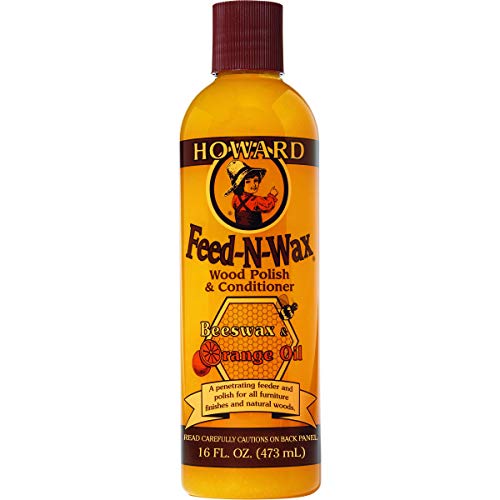
- Orange oil wood furniture polish for water stains
- Microfiber cloth for cleaning and restoring wood furniture


Before You Start
Before beginning, identify the finish type (wax, polyurethane, varnish, lacquer) and patch test on a hidden area. Work in a well-ventilated area and use soft, non-abrasive tools to avoid scratching. For deep or old rings, consider allowing multiple short sessions rather than one long session to prevent over-processing. Expect results to vary based on wood species and finish condition. Safety first: wear gloves if using chemical stain removers and avoid applying products on damaged or cracked surfaces that may absorb too much product.
Step-By-Step: How To Remove Water Rings On Wood Furniture
- Clean the area with a dry microfiber cloth to remove dust and debris.
- Gently rub the ring with a microfiber cloth dampened (not soaked) with orange oil wood furniture polish, using circular motions to lift surface residues.
- If the ring remains, apply a water stain remover kit according to the manufacturer’s instructions, focusing on the ring only and avoiding surrounding finish.
- For small, localized rings, use a wood repair marker set for water rings on furniture to match the surrounding color and feather the edges outward.
- Buff the area with a clean microfiber cloth to blend the repaired spot with the rest of the surface.
- If staining persists, apply a light coat of furniture restoration kit water ring remover and follow the drying times exactly.
- Reassess after the finish dries; apply a thin layer of orange oil wood furniture polish to restore luster and provide a protective barrier.
- Keep the treated area away from direct heat or sunlight for 24–48 hours to minimize changes in appearance.
Troubleshooting
| Symptom | Likely Cause | Fix | Prevention |
|---|---|---|---|
| Ring remains after polish | Finish is damaged or stain penetrates deeply | Use a wood stain remover kit or wood repair marker set, test on hidden area first | Avoid excess moisture and heat; maintain humidity control |
| Finish hazy after treatment | Over-application or leaving residue | Wipe with a clean microfiber and buff gently; reapply a light coat of polish | Follow product instructions precisely |
| New rings appear after cleaning | Moisture exposure or cleaning agents | Switch to a gentler microfiber cloth and a gentler conditioner | Prevent spills and wipe quickly with dry cloth |
| Color mismatch after repair | Colorant mismatch with wood | Use a matching wood repair marker or stain to even out tones | Test first on hidden areas |
Common Mistakes
- Using abrasive cloths or harsh chemicals that scratch or strip the finish.
- Over-wetting the surface, which can seal moisture in and worsen rings.
- Skipping a patch test on an inconspicuous area, risking color changes.
- Rushing the process; some finishes require multiple light applications rather than one aggressive pass.
Tips For Best Results
- Always start with the mildest method—often orange oil or a gentle polish—before moving to harsher stain removers.
- Work in small sections to control the area you treat and avoid bleed-through to adjacent wood.
- Store products securely upright and in a cool, dry place to extend shelf life.
- Maintain humidity around 40–50% to minimize wood movement that can reappear as rings.
Call A Professional
Consider consulting a professional if rings are extensive, the finish is heavily damaged, or you are working on heirloom or high-gloss pieces. Stop signs include deep cracks, water damage, peeling finishes, or finishes that are peeling away around the ring. A pro can evaluate whether refinishing or veneer repair is necessary.
FAQ
Can water rings reappear after treatment?
Yes, especially if moisture exposure continues or if the finish is compromised. Address underlying moisture and reapply protective finishes as needed.
Is orange oil safe on all wood types?
Orange oil is generally safe for many finishes and woods, but test first on hidden areas to avoid gloss changes or darkening.
Should I use heat to remove rings?
Heat can help some methods but must be used cautiously. Avoid direct hot tools; prefer hair dryer on low, with a cloth barrier and constant movement.
Is a furniture restoration kit worth it for small rings?
Yes, for persistent or multi-layered rings, a targeted restoration kit can be effective, especially when combined with polishing and sealing steps.
Can I refinish the entire piece to fix multiple rings?
Full refinishing is an option for extensive damage, but it is more involved and may alter the piece’s value. Consider a professional assessment.
Will a polish alone fix water rings?
Polish can improve appearance for surface-level rings but may not fully remove deeper stains. Use it as part of a broader treatment plan.
Buying Guide
When choosing products to remove water rings, consider several factors to ensure compatible results with your furniture and finish.
- Size and scope: For a few small rings, a wood repair marker set or water ring remover kit is usually sufficient. Larger areas may benefit from a complete restoration kit.
- Finish compatibility: Confirm that the product list is appropriate for your finish (polyurethane, varnish, lacquer, shellac, wax). Some kits are designed for specific finishes; always patch-test first.
- Effectiveness for depth: Light rings respond to polish and orange oil; deeper rings may require stain-removal kits with color-matching markers.
- Ease of use: Look for clear instructions, clear color-matching options, and minimal required steps to prevent over-processing.
- Safety and ventilation: Consider products with low VOCs and ensure good ventilation during application.
- Maintenance and protection: Choose a product line that includes a protective finish or polish to prevent future water damage.
- Brand compatibility: Some brands offer integrated systems (remover, marker, and polish) that streamline the process and simplify color matching.
In practice, most homeowners benefit from having a small kit for quick fixes and a restoration kit for tougher rings. If in doubt, start with a stain remover kit designed for wood and gradually layer in color-matching markers and polishes as needed. The key is careful testing, controlled application, and finishing with a protective polish to minimize future ring formation.