Aluminum surfaces add a bright, modern look to appliances, trim, and outdoor items. Stains can dull their shine and leave stubborn marks. This guide provides practical, step-by-step methods using common aluminum cleaners and gently abrasive tools to restore luster while protecting the metal.
Quick Answer
Start with a non-abrasive cleaner spray designed for aluminum, rinse thoroughly, then use a non-scratch brush for stubborn stains. Finish with an aluminum polishing cloth kit to restore shine. For heavy staining, repeat with a specialized aluminum stain remover polishing kit and light buffing using a 6 inch aluminum buffer polisher kit with pads.
What You’ll Need
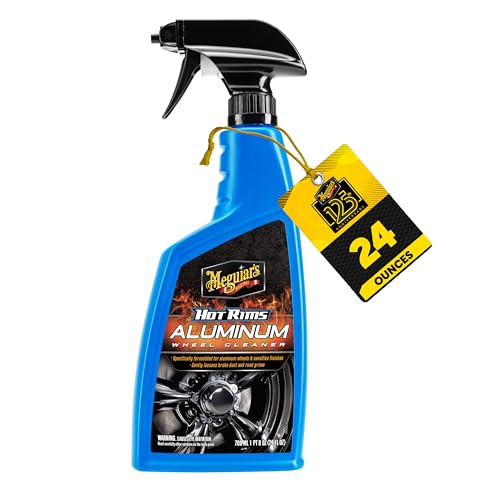
- Aluminum cleaner spray 32 oz non-abrasive
- Aluminum stain remover polishing kit
- Non-scratch nylon brush aluminum cleaning brush
- Aluminum polishing cloth kit 6×6 inch
- 6 inch aluminum buffer polisher kit with pads


Before You Start
Prepare the work area to avoid dragging debris onto adjacent surfaces. Protect nearby fabrics and plants from cleaners. Wear gloves and eye protection. Test any cleaner on a small, inconspicuous area first to check for color change or dulling. Plan for steady, even brushing and light buffing to prevent scratching. Time estimate: 45 minutes to 2 hours depending on staining severity.
Warning: Do not use steel wool or harsh abrasive pads on aluminum, as they can grind away the protective oxide layer and cause pitting. Avoid cleaners containing chlorine or acidic compounds that may corrode aluminum over time.
Step-By-Step: How To Clean Stained Aluminum
- Wipe the surface with a dry microfiber cloth to remove loose dirt and dust.
- Apply a generous amount of aluminum cleaner spray 32 oz non-abrasive to the stained area and let it sit for 1–3 minutes to break down grime.
- Gently scrub using a non-scratch nylon brush aluminum cleaning brush, moving in circular motions to lift the stain without scratching.
- Rinse thoroughly with clean water, ensuring all cleaner residue is removed to prevent streaks.
- For persistent stains, apply aluminum stain remover polishing kit following the product instructions and scrub lightly with the nylon brush.
- Rinse again and dry completely with a soft cloth to prevent water spots.
- Buff the area with aluminum polishing cloth kit 6×6 inch to restore a smooth, shiny finish.
- For larger surfaces or heavy tarnish, use a 6 inch aluminum buffer polisher kit with pads on a low setting, applying light pressure and keeping the pad flat against the surface.
- Wipe down after buffing and inspect for any remaining stains. Repeat steps as needed, always testing in a small area first.
- Store cleaners in a cool, ventilated area and clean brushes and cloths after use to extend their life.
- Reassess after 24 hours; minor touch-ups may be needed for an even finish across the entire surface.
Troubleshooting
| Symptom | Likely Cause | Fix | Prevention |
|---|---|---|---|
| Stains persist after cleaning | Deep set tarnish or mineral deposits | Apply aluminum stain remover polishing kit and re-clean | Regular maintenance to prevent mineral buildup |
| White streaks after rinsing | Cleaner residue | Rinse thoroughly and dry with microfiber | Rinse with warm water; finish with polish |
| Scratches appear | Using abrasive tools or over-scrubbing | Stop using abrasive pads; switch to non-scratch nylon brush | Use soft brushes and light pressure |
| Fading shine after polishing | Over-buffing or incompatible polish | Switch to compatible aluminum polishing cloth and buff lightly | Follow product instructions and test small area |
Common Mistakes
- Using steel wool or metal brushes that scratch aluminum
- Applying cleaner full strength on sensitive, coated, or anodized finishes without a spot test
- Rushing the rinse step, leaving residue that dulls the finish
- Over-buffing or applying excessive pressure during polishing
Tips For Best Results
- Work in a shaded area to prevent cleaners from drying too quickly and leaving streaks.
- Always rinse thoroughly between steps to avoid color transfer or residue buildup.
- For large outdoor items, plan sections to avoid drying before cleaning can be completed.
- Use a dedicated polishing cloth for aluminum to avoid cross-contamination with other metals.
- Test every new product on a hidden spot before full application.
Call A Professional
Consider contacting a professional if staining is extensive, if the surface is coated or anodized with a delicate finish, or if previous attempts have damaged the aluminum. Stop and seek help if you notice pitting, discoloration that spreads, or a change in texture that suggests structural damage.
FAQ
Can I use regular household cleaners on aluminum?
It is best to use cleaners specifically formulated for aluminum to avoid dulling the finish or causing discoloration.
Is it safe to buff aluminum with a power polisher?
Yes, but use a low speed, soft pads, and keep the tool moving to prevent heat buildup and surface damage.
How do I prevent future staining on aluminum surfaces?
Clean regularly with a non-abrasive cleaner, rinse well, and dry to prevent mineral deposits and oxidation buildup.
What should I do if the aluminum has a coated finish?
Follow the coating manufacturer’s care instructions; some coatings may require special cleaners or avoidance of certain polishes.
How often should I polish aluminum to maintain shine?
For interiors, a light polish every few months is usually sufficient; for outdoor or high-traffic areas, more frequent maintenance may be beneficial.
Is staining the same as oxidation on aluminum?
Staining often refers to surface discoloration from grime or minerals, while oxidation is a chemical change in the metal; both affect appearance but require different remedies.
Buying Guide
Key buying factors help select the right products for cleaning stained aluminum while balancing safety, effectiveness, and ease of use.
Size and coverage
Choose a cleaner and stain remover kit that matches the surface area you need to treat; larger outdoor items may benefit from bigger spray bottles or multi-piece kits.
Noise level and ease of use
Consider buffer kits with variable speed control and user-friendly pads. Quiet operation and smooth running reduce user fatigue during larger jobs.
Energy efficiency and tools
Battery-powered buffers offer mobility, but corded models often provide consistent torque. Select based on the scale of projects and access to outlets.
Controls and compatibility
Look for non-abrasive formulas and compatible polishing cloths designed for aluminum to prevent unintended damage to coatings.
Placement and storage
Store cleaners in a cool, dry place away from direct sunlight. Keep brushes, cloths, and pads organized by project area for quick access.
Brand and performance considerations
Reputable brands with dedicated aluminum care lines typically deliver safer, more effective results. Read user reviews and follow product instructions for best outcomes.