Maintaining a clean pool is essential for safe swimming and clear water. Using a manual vacuum helps remove debris from the pool floor and leave the water sparkling. This guide provides a step-by-step approach, suitable for both in-ground and above-ground pools, with practical tips and product recommendations that align with common homeowner setups.
Whether you’re starting from a seasonal pool opening or tackling year-round maintenance, a budget-friendly vacuuming routine can prevent algae growth and reduce chemical usage. The following sections outline a quick answer, tools you’ll need, safety notes, a detailed step-by-step process, troubleshooting, and buying guidance to optimize performance.
Quick Answer
To clean a pool with a vacuum, assemble the appropriate vacuum head, hose, pole, and connector, prime the vacuum by filling the hose with water, attach to the skimmer or dedicated vacuum port, and slowly move the vacuum across the pool floor in a systematic pattern to collect debris.
What You’ll Need
- In-ground pool vacuum head with 1-1/4 inch vacuum hose kit
- Above-ground pool vacuum head and hose kit 1-1/2 inch flexible vinyl
- Telescoping aluminum pool pole 16-24 ft for manual vacuuming
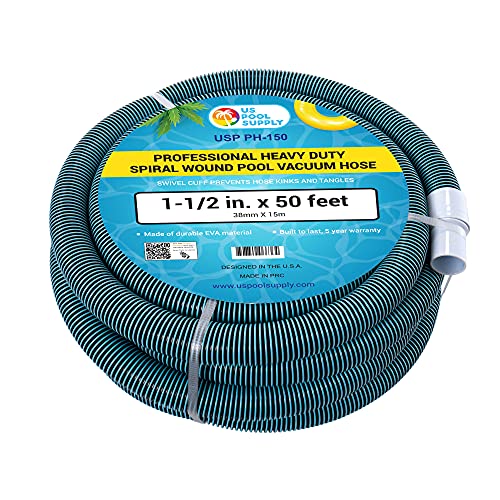
- Pool vacuum hose 50 ft 1-1/2 inch reinforced vinyl
- Skimmer vacuum plate adapter for inground pool cleaning


Before You Start
Prepare the area by removing large debris from the water surface with a skimmer net. Inspect pool walls and floor for sharp edges. Ensure the pump basket is clean and the filter is appropriate for the current load. Safety notes: never operate a vacuum with a damaged hose or leaky fittings, and unplug equipment when making connections. Time estimate: 30–60 minutes for a typical pool, depending on size and debris.
Critical cautions: Always turn off the pump before connecting or disconnecting hoses to avoid damage to vacuum components. Do not run the vacuum if the water level is too low, which can strain the pump. Use proper personal protective gear when handling chemicals and electrical components near water.
Step-By-Step: How To Vacuum A Pool
- Choose the correct vacuum head and attach it to the telescoping aluminum pool pole.
- Connect the vacuum hose to the head and thread the other end onto the skimmer vacuum plate adapter or directly to the skimmer intake, depending on your setup.
- Fill the hose with water before connecting to the pump to prevent air pockets. Submerge the vacuum head and hose underwater while attaching to reduce air bubbles.
- Attach the hose to the pool’s suction port or skimmer and turn on the pump. Listen for a steady suction indicating a proper seal.
- Begin vacuuming along the pool floor in overlapping passes, moving slowly to collect dirt without stirring up settled debris.
- Pause to brush stubborn spots with a pool brush and resume vacuuming as needed. Periodically check for and remove any hair or debris tangled in the head or hose.
- When finished, disconnect the hose carefully, drain excess water, and store components in a dry area. Rinse the vacuum head and hose before storage to prevent mold.
- Inspect the return lines and vacuum fittings for leaks. If air escapes, reseat connections and re-prime the hose if necessary.
- Perform a quick test by vacuuming a small area to confirm consistent suction and coverage, then proceed with a full cleaning cycle if needed.
- For heavy debris or ongoing algae issues, combine vacuuming with regular brushing and proper chemical balancing for best results.
- Schedule routine maintenance sessions to keep the pool floor clear and reduce the workload during peak seasons.
Troubleshooting
| Symptom | Likely Cause | Fix | Prevention |
|---|---|---|---|
| Vacuum loses suction | Air leaks in hose or fittings | Re-seat connections, replace damaged hose | Check seals before each use |
| Air bubbles from return | Air entering from pump or hose | Prime hose correctly; tighten skimmer plate | Inspect for cracks and replace worn parts |
| Debris not collecting | Head not flat on floor or wrong head size | Adjust head for floor vacuuming; ensure proper head size for pool | Match head to pool type (in-ground vs above-ground) |
| Pump running hot | Overworked pump from restricted flow | Clear clogs, verify hose length is appropriate | Use correct hose diameter and avoid overly long runs |
Common Mistakes
- Using a hose that is too long, causing excessive resistance and poor suction
- Not priming the hose, which introduces air and reduces cleaning efficiency
- Neglecting regular brushing which can loosen settled debris that the vacuum cannot pick up
- Forgetting to store equipment dry, which can lead to mold and mildew growth
Tips For Best Results
- Keep the pool water level at the recommended mark to ensure steady suction
- Alternate vacuuming patterns to cover all areas, including steps and corners
- Routinely inspect hoses and adapters for wear and replace as needed
- Combine vacuuming with skimming and a balanced chemical regimen to prevent algae
Call A Professional
Stop and call a professional if you notice persistent leaks, damaged vacuum components, or if the pump trips circuitry frequently. Seek expert help for significant algae blooms, persistent cloudiness, or if you are unsure about safety steps when handling electricity around water.
FAQ
What is the best vacuum head for an inground pool?
The best choice depends on your pool floor type and compatibility with your hose size; an in-ground pool vacuum head with a 1-1/4 inch hose often provides solid performance for standard floors.
Can I use an above-ground vacuum head on an inground pool?
Generally, you should use the vacuum head designed for your pool type, as mounting hardware and suction ports differ between inground and above-ground systems.
How often should I vacuum my pool?
Vacuuming frequency depends on debris load, but a weekly routine during swimming season keeps the water clear and reduces chemical usage.
What maintenance helps vacuum performance?
Regularly clean the vacuum head, check the hose for kinks, and ensure the pole and connectors are free of cracks or wear.
Buying Guide
Choosing the right vacuum setup involves considering size, compatibility, and ease of use. Start with the pool type and measure the pool diameter or length to ensure the vacuum head and hose are appropriate. Look for a hose with reinforced vinyl for durability, and a telescoping pole long enough to reach the deepest areas. Noise and energy use are typically not a direct concern for manual vacuuming, but a well-fitted system reduces effort and wear on the pump. Consider a skimmer vacuum plate adapter if your pool uses a dedicated suction port rather than a skimmer and assess whether the included kit matches your hose diameter (1-1/2 inch vs 1-1/4 inch).
Key buying factors include:
- Size and compatibility: Match vacuum head to pool type (in-ground vs above-ground) and ensure hose diameter aligns with the intake port.
- Noise and energy: Manual vacuuming is low-energy; focus on fit and ease of use to minimize effort and time.
- Controls and seals: Secure connections prevent air leaks and maximize suction; inspect seals for wear.
- Placement and storage: Choose a setup that stores compactly and is easy to assemble after removal from the water.
Multiple configuration perspectives help homeowners compare options: an all-in-one vacuum kit with a 1-1/4 inch hose for inground pools versus a 1-1/2 inch hose set for above-ground pools. Consider whether you need a telescoping pole to reach stairs and deep areas, and whether a skimmer vacuum plate adapter enhances suction efficiency in your pool system. The goal is a reliable, straightforward setup that reduces debris and keeps water clear with minimal maintenance.