Designer shoes elevate outfits and reflect personal style, but keeping them pristine requires careful method and the right tools. This guide outlines practical steps to clean high-end leather, patent, and suede designer footwear while preserving materials and finish.
With proper care, designer shoes stay looking new longer. The following approach covers common materials and uses specialized cleaners and tools to minimize damage and maintain value.
Quick Answer
Use a material-specific cleaner, a soft brush, and a microfiber cloth. For leather, apply a designer leather shoe cleaner kit with a gentle polish. For suede or nubuck, gently brush with a suede and nubuck shoe cleaning brush set. For patent leather, use a patent leather cleaner and polish. Finish with a microfiber cloth and stain remover as needed, then store in a luxury shoe care kit to protect the finish.
What You’ll Need
- Designer leather shoe cleaner kit
- Suede and nubuck shoe cleaning brush set for designer sneakers
- Patent leather shoe cleaner and polish for luxury shoes
- Microfiber cloth and stain remover for designer leather shoes
- Luxury shoe care kit for high-end leather designer shoes


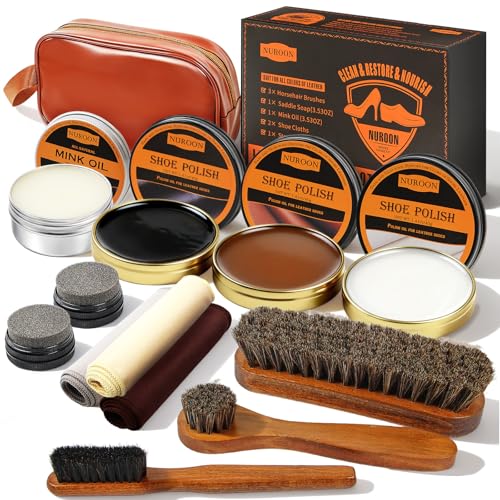
Before You Start
Inspect each pair for scuffs, loose stitching, or water damage. Remove laces to clean tongues and avoid staining. Work in a well-ventilated area and test cleaners on a small, inconspicuous spot first to prevent color transfer. Time investment will vary by material: leather dries quickly, while suede may require more attention. Safety notes should guide handling of chemical cleaners; wear gloves if sensitivity is a concern.
Step-By-Step: How To Clean Designer Shoes
- Gather all necessary products from the recommended kit and lay out a clean workspace.
- Remove laces and set them aside for separate cleaning or replacement.
- For leather: apply a small amount of designer leather shoe cleaner kit onto a soft cloth and wipe in gentle, circular motions.
- For suede/nubuck: brush the surface with the suede and nubuck shoe cleaning brush set to lift dirt without pressing into the nap.
- For patent leather: wipe with a damp microfiber cloth, then apply patent leather cleaner and polishing compound as directed.
- Address stains by using the dedicated microfiber cloth and stain remover for designer leather shoes, testing on a hidden area first.
- Buff to shine with a clean, dry microfiber cloth; if desired, apply a light coat of conditioner or polish compatible with the material.
- Reattach laces, or replace with new ones if needed, and allow shoes to dry away from direct heat or sunlight.
- Store in a cool, dry place inside a dust bag or the luxury shoe care kit packaging to maintain finish.
- Periodically treat to maintain color and texture, especially for suede and patent finishes, which can fade with age.
Troubleshooting
| Symptom | Likely Cause | Fix | Prevention |
|---|---|---|---|
| White residue after polishing | Over-application of product or residue buildup | Wipe with a clean microfiber cloth and remove excess polish | Use sparingly and follow product directions |
| Water stains on leather | Water exposure before conditioning | Dry naturally and condition with leather-safe product | Waterproof or protectants for future wear |
| Nap matted on suede | Improper brushing direction | Brush in one direction with suede brush | Regular light brushing to maintain nap |
| Scratches on patent leather | Hard contact or abrasive cleaner | Use patent cleaner and polish; avoid harsh abrasives | Handle with care; store separately |
| Fading color on leather | Sun exposure or improper products | Recolor with compatible leather dye or polish | Store away from direct sun |
Common Mistakes
- Using harsh household cleaners on leather or suede
- Over-wetting leather or suede, which can warp the material
- Brushing suede in random directions, causing nap damage
- Skipping a test patch before applying cleaners
- Leaving shoes wet in storage, which promotes mold
Tips For Best Results
- Always match the cleaner to the material: leather, suede, or patent.
- Use a dedicated microfiber cloth for every material to avoid cross-contamination.
- Protect suede with a water-repellent spray after cleaning and drying.
- Store shoes in dust bags or original packaging to preserve finishes.
- Clean shoes regularly to prevent heavy buildup and preserve value.
Call A Professional
Consider a professional if shoes show significant damage, deep scuffs, or cracked leather. Stop using products that cause color transfer or finish lifting. Seek expert restoration for high-value designer pieces with sentimental or monetary value.
FAQ
Can I clean suede shoes with a regular brush?
Use a suede-specific brush designed to lift dirt without crushing the nap.
Is patent leather cleaning different from other leathers?
Yes, patent leather requires non-abrasive cleaners and polishing compounds to preserve shine.
How often should designer shoes be cleaned?
Clean lightly after each wear and perform a thorough clean every few weeks, depending on usage and environment.
What should I do if color fades after cleaning?
T try a compatible leather dye or restore color with a suitable polish, then store away from sunlight.
Are cleaners safe for all designer brands?
Most cleaners are brand- and material-specific; always follow the product’s recommendations for your shoes.
Should I use water to clean all materials?
Water is suitable for certain materials in small amounts; avoid soaking leather or suede unless the cleaner specifies.
Buying Guide
Choosing the right care kit for designer footwear involves several factors. Consider material specialization: leather, suede/nubuck, and patent finishes each require different cleaners and brushes. Evaluate kit contents—do you get a complete set with a designer leather shoe cleaner kit, suede brush set, patent cleaner, microfiber cloths, and stain remover? Size and portability matter for travelers, as do storage solutions such as luxury shoe care kits. Look for trusted brands with clear usage instructions and safety information. Finally, consider ongoing maintenance needs: how often you clean, how often you polish, and whether the kit includes protective products like water-repellent sprays to extend the life of high-end footwear.
If shopping for a full system, compare multiple perspectives: material compatibility, ease of use, and the balance between cleaning power and the risk of altering the finish. Would a compact kit fit your routine or do you prefer a comprehensive luxury set? Think about where you’ll perform maintenance—at home or on the go—and ensure your kit is suitable for that environment.