White socks often show dinginess from sweat, deodorant, and everyday wear. Baking soda is a versatile, gentle cleaner that can brighten fabrics without harsh chemicals. This guide breaks down a practical method for using baking soda to refresh white socks while preserving fabric integrity and color.
Quick Answer
Mix a baking soda paste or a baking soda–based wash with warm water, soak white socks for 30–60 minutes, then launder as usual with a whitening detergent. For stubborn stains, use a nylon-bristle brush to pre-treat and repeat as needed.
What You’ll Need
- baking soda laundry booster 2 lb for white socks
- washing soda powder whitening for white socks
- sock cleaning brush nylon bristles laundry stain remover
- mesh washing bag for socks
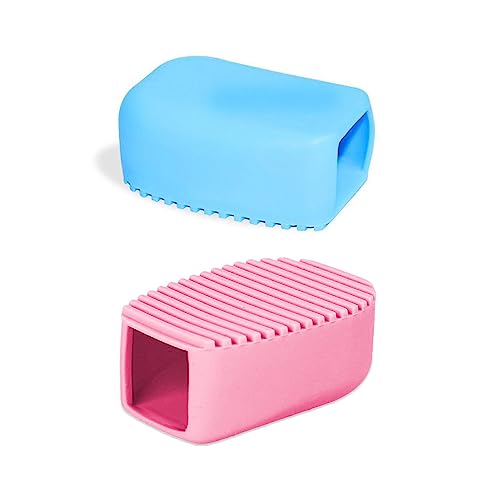
- mini handheld fabric scrubber for socks


Before You Start
Clear a routine laundry cycle for whites, especially if you usually wash with colors. Work in a well-ventilated area if mixing cleaners, and always check fabric care labels. Soaking can help loosen grime, but avoid prolonged exposure to any cleaner on delicate knit socks. Test a small area if you’re unsure about fabric colorfastness, and don’t mix baking soda with bleach directly in a single container. A warm wash with a whitening booster is generally effective for white cotton and cotton-blend socks.
Step-By-Step: How To Clean White Socks With Baking Soda
- Sort white socks from colored garments to prevent dye transfer.
- Prepare a cleaning solution by combining 1/2 cup baking soda with a gallon of warm water in a basin or sink.
- Option A: For light soiling, submerge socks and let them soak for 30 minutes. Option B: For heavier staining, create a thick paste with baking soda and a small amount of water and apply to stained areas using a nylon-bristle brush.
- Gently scrub any visible stains with the mini handheld fabric scrubber or a sock cleaning brush, focusing on the toes and heels where dirt accumulates.
- Rinse the socks briefly to remove paste residue, then place them in a mesh washing bag to protect shape during machine washing.
- Wash on a warm or hot cycle with a whitening or oxygen-bleach-based detergent, following the product’s label for load size and water temperature.
- Check the wash results before drying; if dinginess remains, repeat soaking or a second wash cycle with a fresh batch of baking soda solution.
- Air-dry socks away from direct sunlight to prevent fiber weakening and yellowing from prolonged sun exposure.
- Optional: After drying, run a quick cold rinse with a small amount of baking soda to maintain brightness on a regular basis.
- Store socks in a dry, breathable area to avoid mustiness and maintain whiteness over time.
Troubleshooting
| Symptom | Likely Cause | Fix | Prevention |
|---|---|---|---|
| Socks still gray after wash | Insufficient whitening booster | Rewash with additional baking soda or a whitening detergent | Pre-soak with baking soda before first wash |
| Yellowing at collar or cuffs | Oxidized sweat and body oils | Soak 45–60 minutes in warm water with baking soda | Wash promptly after wearing to minimize buildup |
| Fabrics feel stiff | Residue from cleaners | Rinse thoroughly; consider using less detergent in next cycle | Use the mesh bag to reduce fabric abrasion |
| Color transfer to whites | Inadequate separation from colored items | Always wash whites separately or with color-safe detergents | Maintain separate hampers for whites and colors |
Common Mistakes
- Using too much baking soda, which can leave residue on fabric.
- Skipping the pre-soak for heavily stained socks.
- Overloading the washing machine, reducing cleaning efficiency.
- Drying in direct sun, which may cause yellowing over time.
Sticking to measured amounts and following care labels can help preserve softness and brightness while avoiding mineral buildup on fibers.
Tips For Best Results
- For best whitening, pair baking soda with an oxygen-based booster during the wash cycle.
- Use a dedicated mesh bag for socks to protect small items and improve agitation balance in the washer.
- Pre-treat stubborn stains with a light paste of baking soda and warm water before laundering.
- Rinse socks well after washing to prevent any baking soda residue from feeling gritty.
Call A Professional
Contact a professional cleaner if white socks have severe set-in staining, persistent yellowing, or fabric damage that simple home methods cannot restore. Seek help when:
- The socks are delicate or vintage fabrics with fragile fibers.
- Stains resist multiple wash cycles or the colorfastness is uncertain.
- There is visible shrinkage, pilling, or texture changes after treatments.
FAQ
Can baking soda remove tough underarm stains on socks?
Yes, a pre-soak with baking soda can help lift body oils and deodorant residues from cotton or blends.
Is it safe to mix baking soda with laundry detergent?
Yes, baking soda can be used with most detergents to boost whitening and deodorizing power.
How long should white socks soak in baking soda solution?
A 30–60 minute soak is typically effective for light to moderate soiling.
Will baking soda hurt delicate sock materials?
For delicate fibers, test a small area first and consider shorter soaks or reduced concentrations.
Buying Guide
Key buying factors help maximize whitening results while protecting fabric integrity. The focus is on size, noise level, energy efficiency, controls, and placement considerations for laundry routines.
- Size and capacity: Choose a washing machine or accessory kit that fits regular sock loads, with a compact option for small spaces.
- Noise level: Quiet operation is beneficial for laundry rooms near living spaces or bedrooms.
- Energy efficiency: Look for Energy Star ratings and eco-friendly cycles to minimize utility use.
- Controls and presets: Simple, intuitive controls help ensure consistent whitening results with baking soda boosters.
- Placement: A front- or top-load washer with stable surfaces and proper ventilation supports efficient cleaning and odor control.
- Accessories: A mesh washing bag for socks, microfiber brushes, and a small scrubber can complement the baking soda method.
When selecting products, consider how often you wash white socks, the typical soil level, and whether you prefer manual pre-treatments or fully automatic cycles. A practical setup includes a whitening booster, a mesh bag, and a gentle cleaning brush for spot stains. If you want flexibility, a compact system that combines a warm wash, oxygen boosters, and pre-treatment tools can streamline routine care without sacrificing fabric longevity.