Maintaining a spotless shower requires a clear plan and the right tools. This guide walks American homeowners through a thorough deep clean that tackles soap scum, mildew, and grout grime while using readily available cleaning tools.
Following a simple, repeatable routine will keep showers looking fresh and sanitary with less effort over time.
Quick Answer
Best overall method: combine a dedicated cleaning kit with targeted scrubbing and steam where appropriate to lift buildup without damaging surfaces. Use an angled grout brush for corners, an extendable nylon bristle scrub brush for hard-to-reach areas, and a steam cleaner for tiles to sanitize without harsh chemicals.
What You’ll Need
- Grout cleaning brush nylon bristles angled head
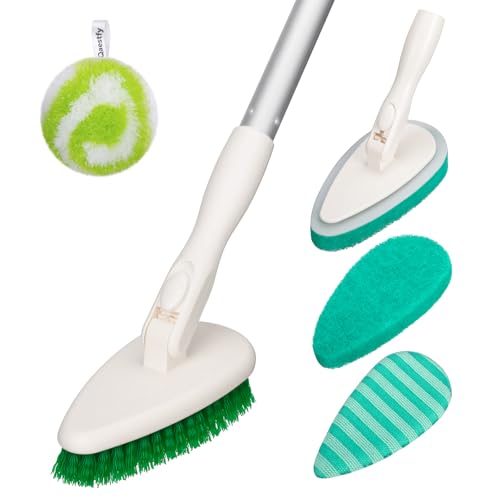
- Extendable shower scrub brush nylon bristles
- Steam cleaner for bathroom shower tiles
- Bathroom cleaning kit squeegee and scrub brush
- Tile and grout cleaning kit with heavy-duty scrub brush


Before You Start
Prepare a clear working area and gather all tools within reach. Ventilate the bathroom to minimize fumes if using cleaners. Test any cleaner on a small inconspicuous spot first to avoid surface damage. Allow several minutes for steam or chemical actives to sit, then scrub. Expect a multi-step process: pre-clean, targeted grout scrubbing, tile cleaning, and final rinse.
Time estimate: 45–90 minutes for a standard shower; longer for heavily soiled or neglected cases. If mold is extensive or the grout has deteriorated, consider professional help.
Step-By-Step: Deep Cleaning Your Shower
- Remove personal items and lay down towels or a drop cloth to protect floors.
- Rinse surfaces with warm water to loosen soap scum and debris.
- Apply a bathroom-safe cleaner to walls, doors, and grout lines; let it sit per product directions.
- Use a grout cleaning brush with nylon bristles angled head to scrub grout lines in a slow, circular motion.
- Switch to an extendable shower scrub brush for higher walls and corners; scrub from top to bottom to reduce dripping.
- For stubborn soap scum on tiles, use a steam cleaner to loosen residue, then wipe with a microfiber cloth.
- Rinse thoroughly with warm water; remove loosened grime with a squeegee to prevent water spots.
- Inspect grout for any cracks or gaps and apply a grout sealant if recommended by the product instructions.
- Wipe down fixtures and doors to remove remaining cleaner residue; dry with a clean cloth.
- Return items to their places and store tools properly after drying.
- Perform a quick weekly touch-up: spray cleaner, scrub, rinse, and dry to keep buildup at bay.
Troubleshooting
| Symptom | Likely Cause | Fix | Prevention |
|---|---|---|---|
| Mildew persists in grout | Insufficient contact time or porous grout | Reapply cleaner, let sit longer, re-scrub with angled head brush | Seal grout after cleaning; clean weekly |
| Streaks after rinsing | Soap residue or hard water minerals | Rinse with clean water, wipe dry; use a squeegee | Wipe down after every shower |
| Scrubber won’t reach corners | Tool length or head size | Attach extendable brush or use angled head tool | Keep a dedicated corner brush accessible |
| Tiles feel gritty after rinse | Residual cleaner or mineral deposits | Re-rinse thoroughly and buff with microfiber | Use a pH-balanced cleaner |
Common Mistakes
- Using abrasive scrubs on fragile tile surfaces
- Skipping a full rinse, leaving cleaner residues
- Neglecting grout maintenance between deep cleans
- Relying on a single tool for every surface area
- Underestimating time needed for a thorough job
Setting aside enough time and using the right tools for each surface improves outcomes and reduces the chance of damage.
Tips For Best Results
- Schedule a deep clean every 1–3 months depending on usage and water hardness.
- Use an extendable brush to avoid overreaching and maintain posture during scrubbing.
- Alternate between chemical cleaners and steam for effective sanitation without harsh chemicals.
- Keep a dedicated cleaning kit for the bathroom to streamline the process.
- Dry surfaces after cleaning to prevent new grime from forming.
Call A Professional
Seek professional help if grout is crumbling, mold spreads behind tiles, or structural damage is suspected. Stop cleaning and call a pro if you notice persistent odor, extensive staining, or water damage behind tiles.
FAQ
What is the best tool for cleaning shower grout?
The grout cleaning brush with nylon bristles angled head is highly effective for lines and corners.
Can a steam cleaner replace chemical cleaners?
Steam cleaners complement chemical cleaners and can sanitize surfaces when used correctly, but follow manufacturer guidance for best results.
How often should I deep clean a shower?
Most homes benefit from a deep clean every 1–3 months, depending on usage and water quality.
Is sealing grout necessary after cleaning?
Sealing grout helps protect against moisture and staining; follow product recommendations for timing and product type.
Buying Guide
When choosing tools for deep shower cleaning, consider size, weight, and reach. Noise level and energy use matter if you plan to use a steam cleaner frequently. Look for tools that are compatible with your tile and grout material to avoid damage. Evaluate how easily tools can be stored and how often you’ll use them. A multi-tool kit that includes a grout cleaning brush nylon bristles angled head, an extendable shower scrub brush nylon bristles, and a robust tile and grout cleaning kit with heavy-duty scrub brush typically offers the best value for most households. For frequent sanitizing, a steam cleaner for bathroom shower tiles can supplement manual scrubbing and reduce chemical use.
Size considerations: smaller devices fit tight showers, while extendable options help with high ceilings or tall stalls. Noise and motor endurance matter if you prefer quiet operation or plan longer sessions. Energy efficiency is a factor with steam cleaners, so check the rated wattage and runtime per fill. Controls should be intuitive, with straightforward on/off and variable steam or brush intensity. Placement: store tools near the cleaning area to minimize setup time and ensure accessibility during routine maintenance.