Razor bumps on the butt can be uncomfortable and unsightly, especially after shaving or waxing. This practical guide helps American readers reduce irritation, prevent future outbreaks, and keep skin smooth. The approach combines gentle cleansing, exfoliation, and targeted tools to soothe bumps without causing more irritation.
Quick Answer
Calm bumps fast by exfoliating regularly, moisturizing daily, and using specialized tools carefully. Start with a warm compress, gentle cleansing, and soothe with fragrance-free moisturizers. If new bumps appear or irritation worsens, pause shaving and consult a clinician.
What You’ll Need
Gather these tools and products to treat razor bumps effectively. The list relies on commonly recommended items for exfoliation, hair removal prep, and skin soothing. Use as needed based on skin sensitivity and shower routine.
- Silicone body exfoliating brush buttocks
- Stainless steel ingrown hair tweezer set
- Exfoliating body scrub glove silicone
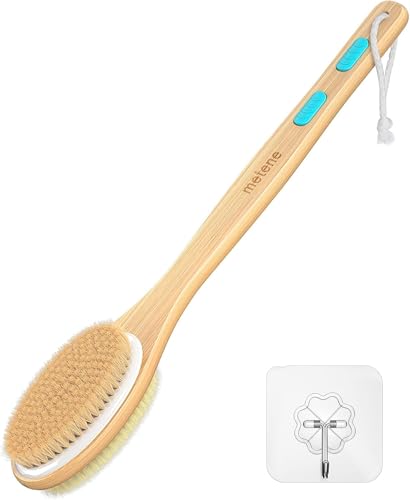
- Back scrubber with long handle brush
- Pore massager body brush for buttocks


Before You Start
Before addressing razor bumps, prepare the skin and workspace. Use a clean towel, lukewarm water, and mild, fragrance-free cleansers. Avoid aggressive scrubbing and hot water, which can worsen irritation. Time estimate: 10–20 minutes for each treatment session, plus 2–3 minutes for applying soothing products. If you have a history of skin conditions or severe irritation, consult a dermatologist before starting a new routine.
Step-By-Step: How To Soothe And Prevent Razor Bumps On The Butt
- Apply a warm compress to the affected area for 5–7 minutes to soften hair follicles and open pores.
- Gently cleanse the area with a mild, fragrance-free cleanser to remove oils and bacteria without scrubbing harshly.
- Use a exfoliating body scrub glove silicone or silicone body exfoliating brush buttocks in small circular motions to exfoliate the top layer of skin. Do not over-exfoliate; limit to 2–3 times per week.
- For mild ingrown hairs, carefully use stainless steel ingrown hair tweezer set to lift the tip of the hair. Never pluck straight from the skin; instead, tease the hair free and smooth the follicle.
- Rinse and pat dry, then apply a fragrance-free moisturizer or barrier cream to seal in moisture and reduce friction during movement.
- Consider a pore massager body brush for buttocks to promote lymphatic drainage and improve circulation after exfoliation, but avoid using on irritated skin.
- Keep skin cool and dry between shaves. If shaving is necessary, use a sharp razor, a hydrating shaving gel, and shave with the grain to minimize irritation.
- Post-shave care: apply an antibiotic or soothing ointment if you notice redness or small bumps; otherwise, use a non-comedogenic moisturizer.
- Adopt a regular routine: exfoliate 1–2 times weekly and moisturize daily to prevent clogged follicles.
- Pause waxing or shaving if bumps worsen. Restore skin health with time and gentle care before resuming hair removal.
- If ingrown hairs recur, switch to a different hair removal method or reduce shaving frequency for several weeks.
- Monitor for signs of infection or spreading redness; seek medical advice if symptoms worsen or persist beyond a few weeks.
Troubleshooting
| Symptom | Likely Cause | Fix | Prevention |
|---|---|---|---|
| Red, inflamed bumps after shaving | Irritation from razor or friction | Switch to sharp blade, use shaving gel, and shave with grain | Exfoliate gently; moisturize after shaving |
| Ingrown hairs that won’t emerge | Hair grows back into skin | Use warm compress, lift hair carefully with tweezers | Exfoliate regularly; avoid squeezing |
| Repeated bumps despite care | Clogged follicles | Increase exfoliation frequency slightly; switch to a gentler scrub | Moisturize; avoid tight clothing that irritates skin |
| Skin becomes dry and flaky | Over-exfoliation or harsh products | Switch to fragrance-free, hydrating products | Reduce exfoliation frequency; keep skin hydrated |
| Signs of infection (pus, warmth, spreading redness) | Bacterial infection | See a clinician promptly | Keep hands clean; avoid picking at bumps |
Common Mistakes
- Over-exfoliating, which can worsen irritation and cause micro-tears
- Using harsh soaps or fragrances that dry out skin
- Shaving over irritated skin or against the grain immediately after a flare
- Using tweezers aggressively or attempting to extract deeply embedded hairs
- Ignoring signs of infection or long-lasting symptoms
Choosing the right routine and tools can help balance exfoliation with skin protection, reducing razor bumps over time.
Tips For Best Results
- Consistency matters: stick to a routine of gentle cleansing, moderate exfoliation, and daily hydration.
- Test new products on a small area first to ensure there is no adverse reaction.
- Keep showers warm, not hot, and avoid aggressive scrubbing to prevent skin trauma.
- Wear breathable underwear and avoid friction-inducing fabrics during treatment periods.
- Hydration supports skin repair; drink water and choose moisturizers with soothing ingredients like glycerin or ceramides.
Call A Professional
Consider seeing a dermatologist if razor bumps persist for several weeks, worsen, or show signs of infection. Seek urgent care if there is fever, spreading redness, or severe pain. A clinician can assess for folliculitis, keratosis pilaris, or other skin conditions and may prescribe medicated creams or oral therapy.
FAQ
What causes razor bumps on the butt?
Razor bumps occur when shaved hair grows back into the skin or when hair follicles become irritated and inflamed, often due to friction, ingrown hairs, or insensitive skin.
Is it safe to use tweezers on butt bumps?
Use small, precise tools carefully and only to lift any visible ingrown hair. Do not force hairs out or pluck aggressively, which can worsen irritation.
How often should I exfoliate for razor bumps?
Begin with 1–2 times per week using a gentle method, and adjust based on skin reaction. Do not exceed 3 times weekly unless advised by a professional.
Can I shave the area again while dealing with bumps?
Shaving may aggravate bumps. If needed, switch to a gentler method, use a quality shave gel, and shave with the grain after allowing the skin to recover.
What ingredients help soothe razor bumps?
Fragrance-free moisturizers with glycerin, ceramides, and aloe can calm irritated skin; look for non-comedogenic formulas for sensitive areas.
Should I avoid products with alcohol on irritated skin?
Yes. Alcohol can dry and sting irritated skin, so opt for alcohol-free, soothing products during flare-ups.
When should I see a doctor for razor bumps?
If bumps persist beyond a few weeks, spread rapidly, or show signs of infection, seek medical advice promptly.
Buying Guide
Choosing tools and products for razor bumps on the butt involves considering size, durability, and skin compatibility. A balanced approach combines exfoliation, cleansing, and soothing care without overdoing it. Here are factors to weigh when selecting gear:
- Size and reach: Pick tools that comfortably reach the butt area; longer handles help access hard-to-reach zones without overreaching.
- Brush and glove materials: Soft silicone and BPA-free options reduce irritation; avoid stiff brushes that scratch skin.
- Exfoliation strength: Start gentle and progress gradually to avoid micro-tears; look for milder scrubs and exfoliating gloves with fine grains.
- Ingrown hair aids: Stainless steel tweezer sets can help with visible ingrown hairs, but use with caution to prevent skin damage.
- Moisturizing and barrier repair: Choose fragrance-free moisturizers rich in glycerin and ceramides to restore the skin barrier after shaving.
- Maintenance and cleaning: Opt easy-to-clean tools and those with antimicrobial properties to minimize bacteria exposure.
- Water exposure and drying: Look for rust-resistant tools if using in humid bathroom spaces; dry tools after use to extend life.
- Cost and durability: Invest in durable, dermatologist-approved options; higher quality tools may reduce irritation and long-term costs.
With the right combination of tools and routine, it’s possible to reduce razor bumps and maintain smoother skin on the butt. Would you like help tailoring this plan to your skin type or preferred products?