Occlusal guards play an important role in protecting teeth from grinding and clenching. Regular cleaning helps prevent odors, bacteria buildup, and material degradation. This guide outlines practical, dentist-recommended methods to keep an occlusal guard hygienic and effective.
Quick Answer
Rinse the guard after use, brush gently with a soft toothbrush and mild soap, soak in a cleaning solution or mouth guard cleaner tablet, and dry completely before storing. For stubborn buildup, use an ultrasonic cleaner designed for mouth guards, then rinse thoroughly.
What You’ll Need
- Soft toothbrush night guard cleaning
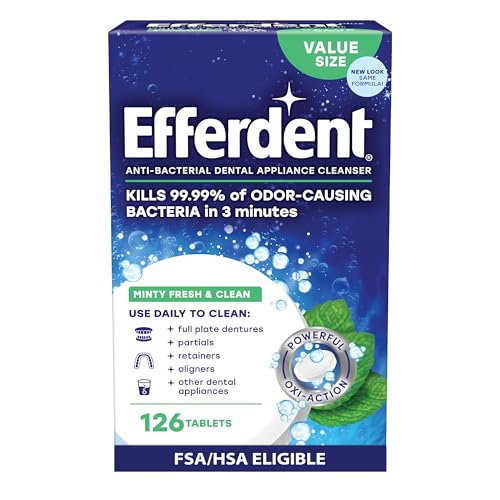
- mouth guard cleaner tablets for night guard
- mouth guard cleaning spray bruxism
- occlusal guard care kit
- ultrasonic cleaner for mouth guard


Before You Start
Remove the guard from your mouth and inspect for cracks or wear before cleaning. Use lukewarm water—not hot—to avoid warping materials. Do not boil or microwave the guard. Clean daily and allow full air-drying on a clean surface away from pets and children. Expect cleaning time to take about 5–10 minutes, plus any soak time if using tablets or sprays.
Step-By-Step: How To Clean An Occlusal Guard
- Rinse the guard under lukewarm running water to remove saliva and loose debris.
- Gently brush with a soft toothbrush night guard cleaning using mild, non-abrasive soap or toothpaste (many dental products contain abrasives that can wear the material).
- Choose a cleaning method: a) mouth guard cleaner tablets for night guard dissolved in water; b) mouth guard cleaning spray bruxism; c) ultrasonic cleaner for mouth guard if buildup is persistent.
- Soak the guard according to the product instructions, typically 5–15 minutes, ensuring all surfaces are submerged.
- Rinse thoroughly under running water to remove any cleaning residue.
- Pat dry with a clean towel or let air-dry on a clean surface until completely dry.
- Store in a ventilated container designed for mouth guards, away from heat and sunlight.
- Repeat nightly or as recommended by your dentist to maintain hygiene.
- If using an ultrasonic cleaner for mouth guard, place the guard in the device with plain water and run the gentle cycle per manufacturer instructions, then rinse thoroughly.
- Finally, inspect for wear or damage before the next use and replace if necessary.
Troubleshooting
| Symptom | Likely Cause | Fix | Prevention |
|---|---|---|---|
| Persistent odor after cleaning | Bacteria trapped in microtextures | Use a dedicated mouth guard cleaner tablet and rinse thoroughly | Clean nightly and dry completely |
| Discoloration or staining | Protein buildup or mineral deposits | Soak with cleaning solution and brush gently; consider an ultrasonic session | Rinse after each use and avoid colored beverages touching the guard |
| Material feel sticky or tacky | Soap residue or insufficient rinsing | Rinse well with plain water and rewash with mild soap | Use only approved cleaners and avoid harsh chemicals |
| Guard warps after cleaning | Exposure to heat | Clean with lukewarm water; never use hot water | Store away from heat sources |
Common Mistakes
- Using hot water or dishwasher temperatures that warp the material
- Brushing with abrasive toothpaste or hard brushes
- Neglecting to dry the guard fully, leading to bacteria growth
- Using regular mouthwash containing alcohol that can dry and degrade the material
- Failing to replace a worn or damaged guard promptly
Tips For Best Results
- Keep a dedicated cleaning routine and set a daily reminder for cleaning after use.
- If you notice persistent odors, rotate cleaning methods between tablets, sprays, and occasional ultrasonic cleaning.
- Store in a ventilated case to prevent moisture buildup and mold.
- Always rinse thoroughly after any cleaning step to avoid residue on teeth or gums.
- Consult your dentist if the guard shows signs of warping, cracking, or persistent discomfort.
Call A Professional
Consider contacting a dental professional if any of the following occur: ongoing discomfort while wearing the guard, visible cracks or warping, or if you are unsure about the cleaning products compatible with your specific occlusal guard material.
FAQ
How often should I clean my occlusal guard?
Clean daily after use and perform a deeper clean weekly or as recommended by your dentist.
Can I use regular toothpaste to clean my occlusal guard?
Use a soft-bristled brush with mild soap or a product specified for mouth guards; avoid abrasive toothpaste that can scratch the material.
Is an ultrasonic cleaner safe for all occlusal guards?
Most are safe when used according to manufacturer instructions, but check your guard’s material and the device compatibility first.
What if my guard has a strong odor even after cleaning?
Try a longer soak with a mouth guard cleaner tablet and rinse thoroughly; if odor persists, consult your dentist for guidance.
Can I store the guard wet?
Airing dry storage is best to prevent bacterial growth; ensure it is completely dry before placing it in its case.
Should I replace my guard periodically?
Yes, replace if there are cracks, warping, or persistent wear that affects fit and protection.
Buying Guide
When selecting an occlusal guard and cleaning regimen, consider size, fit, material, and care options. A properly sized guard reduces pressure points and lasts longer with proper maintenance. Noise level and energy efficiency are not typically relevant for cleaning devices, but choose a compact ultrasonic cleaner if you prefer quick, thorough cleaning without manual scrubbing. Look for ease of use, dishwasher-safety compatibility for any accessories, and compatibility with your usual cleaning products. Choose a care kit that includes soft brushes, gentle cleaners, and clear instructions. Placement considerations involve storing the guard in a dry, ventilated area away from heat or direct sunlight to prevent material degradation. Compare products that offer compatible maintenance plans or refills, and read user reviews for real-world performance. If you use a specific brand of night guard, confirm the recommended cleaning method to avoid compromising the fit or material. A simple routine with the right tools will keep the occlusal guard sanitary, comfortable, and effective for nightly protection.