Thigh blackheads are a common skin concern caused by clogged pores, excess oil, and dead skin buildup. With a clear routine and the right tools, you can minimize their appearance and maintain smoother skin. This guide walks through practical steps, safe techniques, and product options tailored for American bathrooms and daily skincare habits.
Below you’ll find a concise plan that emphasizes safety, hygiene, and achievable results. The goal is to prevent new buildup while reducing the current congestion on the thighs and surrounding areas.
Quick Answer
Best first steps: cleanse the skin, exfoliate gently, and use a pore extractor or tool designed for body use. Follow with a light moisturizer and sun protection if exposed. Consistency matters; aim for 2–3 sessions per week and adjust as needed.
What You’ll Need
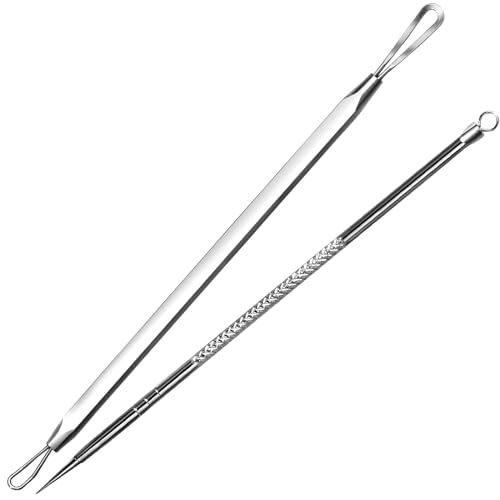
- Thigh blackhead remover tool
- Body pore extractor tool set
- Silicone exfoliating glove for thighs
- Pore cleansing brush for body thighs
- Blackhead extractor tool for body


Before You Start
Prepare a clean, well-lit area and gather all tools before beginning. Wash hands and the treatment area with a mild cleanser. Soften the skin with a warm shower or compress for 3–5 minutes to open pores, which helps extraction and reduces friction.
Critical cautions: avoid forcing clogged plugs or using rough pressure. If you have sensitive skin, eczema, or active acne in the area, skip aggressive extraction and consult a dermatologist. Do not share tools to reduce the risk of infection. Consider patch testing a small area first to gauge tolerance.
Estimated time for each session: about 15–30 minutes depending on comfort and the number of clogged pores. Frequency should be limited to 2–3 times per week to prevent irritation.
Step-By-Step: How To Use Tools For Thigh Blackheads
- Begin with a warm shower to soften the skin and open pores, then pat dry gently.
- Apply a small amount of a gentle cleanser to the thighs, massaging in circular motions to lift surface oil.
- Use a silicone exfoliating glove for thighs in circular motions to slough off dead skin and prep pores for extraction.
- Next, apply a light antiseptic or toner to reduce surface bacteria and help prevent post-cleanup breakouts.
- For safety, select a body pore extractor tool set or thigh blackhead remover tool and target visible blackheads with short, controlled strokes.
- Insert the tool gently at a slight angle and apply steady pressure to extract the plug. If the plug doesn’t release easily, pause and rewarm the area before retrying.
- After extraction, rinse with lukewarm water and apply a soothing, non-irritating serum or moisturizer to restore moisture and protect the skin.
- Follow up with a light, non-comedogenic moisturizer and, if possible, broad-spectrum sunscreen when exposed to sunlight.
- Clean the tools with warm water and a gentle soap, then pat dry and store in a dry, clean place.
- Evaluate results after a few weeks. If pores remain congested, adjust exfoliation frequency and consider alternating with a chemical exfoliant suitable for the thighs.
- If redness, swelling, or persistent irritation occurs, stop using tools and consult a dermatologist for guidance.
Troubleshooting
| Symptom | Likely Cause | Fix | Prevention |
|---|---|---|---|
| Redness after extraction | Overly aggressive pressure or sensitive skin | Ease pressure, reduce frequency | Patch test; avoid daily use |
| New blackheads appearing | Blocked pores from oil buildup or dead skin | Improve cleansing and regular exfoliation | Consistent routine with gentle products |
| Skin irritation or itching | Rough exfoliation or unsuitable products | Switch to gentler tools and fragrance-free products | Limit use to 2–3 times per week |
| Tool causing skin marks | Too much pressure or dull blades | Check tool condition; apply minimal pressure | Maintain tools; replace when worn |
Common Mistakes To Avoid
- Using dull or rough tools that scrape the skin
- Excessive force during extraction, which can injure the pore and surrounding tissue
- Over-exfoliating, which strips moisture and triggers irritation
- Skipping cleansing before and after the procedure, increasing infection risk
Tips For Best Results
- Warmth is your ally: keep skin warm before and after tool use to keep pores open.
- Hydration helps: use a lightweight, non-comedogenic moisturizer daily to maintain skin barrier health.
- Consistency matters: schedule routine sessions 2–3 times per week and monitor skin response.
- Tool hygiene: sanitize tools after each use to prevent bacterial transfer.
- Combine with gentle chemical exfoliants (like AHA/BHA) on alternate days if approved by skin type for deeper pore clearing.
Call A Professional
Consider contacting a dermatologist or licensed esthetician if you notice:
- Persistent clogging despite routine care
- Severe skin irritation, swelling, or signs of infection
- Uncertain about using extractor tools due to skin conditions or recent procedures
FAQ
Is it safe to use a thigh blackhead remover tool at home?
Yes, when used properly with clean tools, gentle pressure, and proper skin prep. Follow manufacturer instructions and hygiene practices.
How often should I exfoliate my thighs?
Begin with 1–2 times per week and adjust based on skin response; avoid daily scrubbing to prevent irritation.
What tools are best for thigh pores?
Tools designed for body use, including a body pore extractor set and silicone exfoliating glove, are suitable options when used carefully.
Can I combine exfoliation with chemical peels on the thighs?
Selective combinations can work, but consult a professional to ensure compatibility with your skin type and conditions.
Buying Guide
Choosing the right tools for thigh blackhead management involves evaluating size, material, and ease of use. Consider how often you plan to treat the area and whether you prefer manual or integrated cleansing systems. Look for set options that include a pore extractor, a body-specific brush, and a silicone glove for gentle exfoliation. Ensure devices are designed for body use, with smooth edges to minimize skin trauma.
Key Buying Factors
- <bSize and grip: Choose tools with comfortable handles and appropriate head sizes for the thigh area to target pores without overreaching.
- <bMaterial quality: Stainless steel extractors are common; silicone gloves reduce skin friction and are easy to clean.
- <bEffectiveness vs. gentleness: Prioritize products that balance effective extraction with skin safety, especially for sensitive skin.
- <bEase of cleaning: A higher-quality set should be easy to sanitize between uses to prevent infections.
- <bSkin compatibility: If you have allergies or sensitive skin, look for fragrance-free, non-irritating options.
- <bControls and design: Ergonomic handles and precise tips help reduce the risk of pinching or bruising.
- <bPlacement and use: Tools designed for larger body areas are typically easier to use on thighs than facial-focused devices.
Additional Comparison Perspectives
When evaluating products, compare kits by the number of tools included, whether the set includes a silicone glove, and the availability of protective caps or storage cases. Consider customer reviews noting ease of use, effect on pore appearance, and durability over time. For sensitive skin, prioritize hypoallergenic materials and products with clear cleaning guidance.