Water stains on hardwood floors can disrupt the look of a room, but with the right approach, most issues can be corrected. This guide outlines practical steps to assess, treat, and restore hardwood surfaces affected by water exposure. It covers safe prep, appropriate products, and best practices to minimize damage and extend the life of your floors.
Quick Answer
Identify the stain type (white cloudy or dark mineral stain), choose the right method (bleach for white stains, sanding and refinishing for darker embedded stains), and follow with a protective polyurethane finish to seal the surface. For tight, stubborn marks, a specialized wood filler and repair kit can help blend repairs seamlessly.
What You’ll Need
- Oxalic acid wood bleach for water stains on hardwood floors
- Hardwood floor water stain remover kit
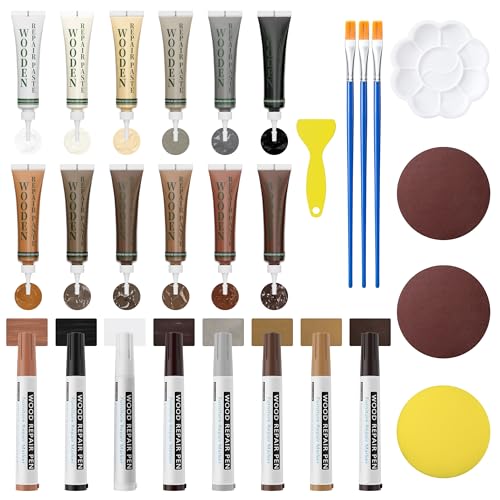
- Wood filler repair kit for water stains on hardwood floors
- Orbital floor sander for hardwood refinishing
- Polyurethane floor finish kit for hardwood floors after stain repair


Before You Start
Assess the stain depth: light, cloudy white stains may respond to chemical bleaching, while dark, embedded stains typically require sanding. Work in a well-ventilated area and wear a mask and eye protection. Remove area rugs and furniture, seal off adjacent rooms if possible, and protect nearby surfaces. Plan a realistic project timeline, as refinishing a floor can take several hours to a full day depending on square footage and drying times. Never rush the sanding or skip proper surface prep, as this can cause uneven results.
Step-By-Step: How To Remove Water Stains From Hardwood Floors
- Identify the stain type by inspecting color and depth. White, cloudy spots often respond to bleach, while dark stains may indicate deeper moisture damage.
- Test a small, inconspicuous area with the oxalic acid wood bleach for water stains on hardwood floors to verify color change and avoid damage.
- Apply the wood bleach or hardwood floor water stain remover kit as directed, working in a small area at a time. Follow product labels for dilution, contact time, and rinsing steps.
- Wipe clean and allow the area to dry completely. If the stain remains, consider a second pass or move to sanding for deeper stains.
- If staining is stubborn or embedded, set up the orbital floor sander for a cautious, even sand across the affected boards. Start with a coarse grit then move to finer grits to smooth the surface.
- Inspect sanded areas for uniform color; feather edges where repairs meet surrounding floors to avoid obvious gaps.
- Apply a wood filler repair kit for water stains on hardwood floors to address any veneer cracks or pitting. Smooth with a putty knife and allow to cure per the product instructions.
- Wipe away dust thoroughly with a tack cloth and prepare the surface for finish. A clean, bare surface ensures better adhesion for the polyurethane.
- Apply the polyurethane floor finish kit for hardwood floors after stain repair in thin, even coats. Lightly sand between coats for a flawless surface and follow recommended drying times.
- Reattach transitions and allow the floor to cure fully before placing furniture back. Maintain a stable indoor environment to prevent future moisture damage.
- Consider a periodic maintenance schedule: clean with approved wood floor cleaners and reapply polyurethane as needed to protect against future stains and wear.
Troubleshooting
| Symptom | Likely Cause | Fix | Prevention |
|---|---|---|---|
| Stain reappears after bleaching | Incomplete penetration or color residuals | Re-apply bleach to affected area or proceed to sanding | Address moisture source and dry wood thoroughly before finishing |
| White cloudy spots persist after finish | Residual moisture or improper finish application | Ensure complete dryness, re-sand lightly, and re-apply finish | Control humidity during curing |
| Finish peels or bubbles after application | Contaminants on surface or poor adhesion | Fully clean, sand lightly, and refinish | Follow manufacturer guidance for surface prep |
| Uneven color after repair | Different sanding pressure or filler color mismatch | Feather edges, adjust stain, or re-sand and reapply | Test stain on scrap wood to match |
| Stain remains around edges | Uneven sanding or undercutting | Resand edges to blend with surrounding floor | Use a random-orbit sander with steady pressure |
Common Mistakes
- Skipping a proper test spot before bleaching or staining
- Using too much water or moisture during cleaning after bleaching
- Rushing the sanding process, leading to visible swirl marks or uneven color
- Overfilling with filler or applying thick finish coats that trap dust
- Neglecting proper ventilation during chemical treatments
Tips For Best Results
- Work in small sections to ensure consistent results and drying times.
- Always wear protective gear when using chemical treatments.
- Choose a finish with UV resistance to prevent future yellowing or color changes.
- Test all products on a hidden area before full application to confirm color match.
- Maintain indoor humidity around 30–50% during and after refinishing to reduce future damage.
Call A Professional
Consider professional help if the stain covers a large area, the floor planks are cupped or warped, or if you’re unsure about sanding technique. Stop and consult a floor refinishing expert if you notice excessive moisture, suspected mold, or structural issues beneath the surface.
FAQ
Can oxalic acid bleach remove all water stains?
Oxalic acid can remove many white mineral and tannin-related stains, but some dark or deeply embedded stains may require sanding and refinishing.
Is sanding always necessary?
Not always. Light, surface-level stains may respond to chemical treatments, while deeper damage typically needs sanding and re-finishing.
How long does refinishing take?
Drying times vary by product and climate, but plan for several hours of work with a full curing period that can extend to 24–72 hours for the finish.
Should I replace boards if stained heavily?
If staining is localized to a few boards, patching and refinishing may suffice. Widespread or structurally damaged boards may require replacement.
What maintenance helps prevent water stains?
Use area rugs in high-moisture zones, promptly clean spills, and maintain proper humidity to prevent future issues.
Buying Guide
Choosing the right products for removing water stains on hardwood floors involves assessing the task, the wood type, and the desired finish. When evaluating options, consider:
- Size and scope: For small, light stains, a single treatment kit or bleach may be enough; larger areas or deeper stains benefit from sanding and a full finish kit.
- Noise level: Power tools like orbital sanders can be loud; plan for ventilation and use hearing protection.
- Energy efficiency: Not a primary concern here, but efficient sanders with dust collection reduce cleanup time and improve air quality.
- Controls: Look for user-friendly products with clear instructions and compatible finishes that match your floor’s existing sheen.
- Placement: Insist on floor protection during project work and ensure proper ventilation to avoid chemical buildup.
Materials should align with your floor type (hardwood species, finish, and thickness). Compare a oxalic acid wood bleach for white stains with a hardwood floor water stain remover kit for different stain profiles. A wood filler repair kit helps address surface imperfections, while an orbital floor sander can restore a seamless surface. Finish with a polyurethane floor finish kit for a durable, protective seal. If unsure, consult a professional to tailor the approach to your floor’s specifications and staining history.