Removing nail polish from wood can be tricky because some chemicals may damage finishes or stain the wood. This guide outlines safe methods and tools that work well on common household woods without harming the surface. Readers will learn practical steps, product options, and preventive tips to keep wood furniture and trim looking its best.
Quick Answer
Use non-acetone or acetone-free removers designed for wood first, apply gently with a soft cloth, and test in an inconspicuous area. For stubborn spots, consider a mild wood finish cleaner or a gentle abrasive like a Magic Eraser, then protect the area with polish or wax after cleaning.
What You’ll Need
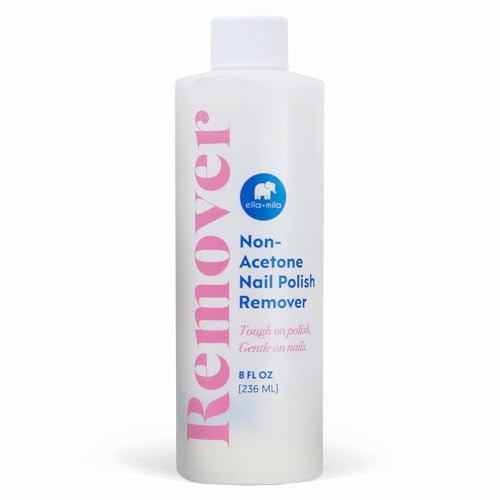
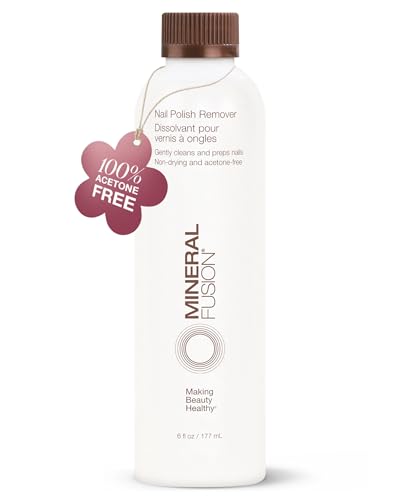
- Non-acetone nail polish remover wood safe
- Acetone-free nail polish remover for wood surfaces
- Wood finish cleaner nail polish stain remover
- Magic Eraser nail polish on wood cleanup
- Rubbing alcohol nail polish stain remover wood furniture
- Soft cotton cloths or microfiber towels
- Masking tape or painter’s tape (optional for protecting edges)

Before You Start
Work in a well-ventilated area and test any product on a hidden spot first. Protect nearby surfaces with tape and use a soft cloth to avoid scratching. Avoid excessive rubbing which can remove finish. Allow solvents to sit briefly rather than scrubbing aggressively. If the wood has a wax or oil finish, spot-test a small area before proceeding.
Estimated time: 15–30 minutes for small spots; larger stains may take longer and require repeat applications. Equipment readiness includes having a clean cloth, the chosen remover, and a mild cleaner for finalize touch-ups.
Step-By-Step: How To Remove Nail Polish From Wood
- Identify the finish on the wood to choose the safest remover: non-acetone or acetone-free options are typically gentler on finishes.
- Dampen a soft cloth with a small amount of non-acetone nail polish remover wood safe and gently blot the stained area.
- Work from the outside edge of the spot toward the center to prevent spreading.
- If the stain persists, apply a little more remover, then gently rub in a circular motion with light pressure.
- For tougher spots, try a wood finish cleaner nail polish stain remover following the product’s directions, then wipe clean.
- For stubborn residue, use a Magic Eraser nail polish on wood cleanup with minimal moisture and light tapping rather than heavy scrubbing.
- Rinse the area with a clean, damp cloth to remove any chemical residue, then dry thoroughly.
- Assess the finish after drying. If necessary, apply a thin layer of wood-safe conditioner or wax to restore luster.
- Repeat if needed, but avoid multiple aggressive passes to prevent dulling or stripping the finish.
- Document the method that worked best for future touch-ups and consider placing protective coasters or mats to prevent future spills.
- Dispose of used cloths safely and store removers away from children and pets.
Troubleshooting
| Symptom | Likely Cause | Fix | Prevention |
|---|---|---|---|
| Stain remains after first pass | Stain deeply embedded or finish is sensitive | Apply a second gentle pass with a fresh cloth using the same remover | Test in hidden area; use the mildest option first |
| Finish dulls or looks cloudy | Over-application or abrasive rubbing | Wipe with a damp cloth, dry thoroughly, and recondition the surface | Avoid heavy rubbing; use soft cloths only |
| Finish smeared beyond the stain | Excess remover or poor technique | Re-clean with a wood-safe cleaner and dry | Protect surrounding areas with tape |
| Color transfer from the cloth | Excess dye or color-bearing residue | Switch to a new cloth and test a hidden area | Work gently and blot rather than rub |
Common Mistakes
- Using concentrated acetone on unfinished or delicate wood finishes
- Rubbing too hard, which can remove stain or finish
- Over-wetting wood, causing warping or swelling
- Skipping a test in a hidden area, leading to unexpected damage
- Neglecting to follow up with protection after cleaning
Tips For Best Results
- Always start with non-acetone nail polish remover wood safe or acetone-free nail polish remover for wood surfaces to minimize risk
- Use a soft cloth and work patiently, applying minimal liquid at a time
- For wooden furniture with a polyurethane or varnish finish, test first in a discreet spot
- After cleaning, consider a light conditioning oil or wax to restore sheen
- Keep a dedicated set of cloths for solvent cleaning to avoid cross-contamination
Call A Professional
If the stain covers a large area, involves a delicate finish, or the wood shows signs of warping, cracking, or color change, consult a professional. Spills near edges, inlays, or antique pieces may require specialized refinishing. Seek expert advice if the stain persists after multiple careful attempts or if there is significant discoloration.
FAQ
Can I use regular nail polish remover on wood?
Regular, acetone-based removers can damage finishes. Use non-acetone or acetone-free options designed for wood instead.
Is rubbing alcohol safe for wood with nail polish stains?
Rubbing alcohol can be effective on some stains but should be tested first on an inconspicuous area to avoid finish damage.
Will the stain return after cleaning?
Stains can reappear if the wood finish is compromised or if the underlying pigment remains. Re-seal or condition the area after cleaning.
Should I sand the area if cleaning fails?
Sanding is a last resort for stubborn stains and should be performed by a professional to avoid damage to the wood.
What should I do to prevent nail polish stains?
Use coasters, keep nail products away from wood surfaces, and address spills promptly with a soft cloth.
Is Magic Eraser safe on all woods?
Magic Erasers are generally safe when used lightly, but test first on a hidden spot to ensure no surface damage.
Can I use these methods on natural wood countertops?
Yes, but be cautious with finishes and follow product directions to avoid dulling or etching.
Buying Guide
When choosing products to remove nail polish from wood, consider size, effectiveness, and how they interact with your wood finish. Look for gentle formulas labeled safe for wood, and keep a few options on hand for different stains.
Key buying factors include:
- <bSize and packaging: Small bottles for touch-ups vs. larger bottles for frequent use. Choose a size that fits your household needs.
- <bNoise level and ease of use: Practical, non-noise tools and simple application methods reduce risk of user error.
- <bEnergy efficiency: Not directly applicable; focus on safe, low-waste product formats and refill-friendly options.
- <bControls: Clear directions and stain-test guidance help prevent finish damage.
- <bPlacement: Store away from heat and children; keep in a dedicated cleaning caddy near work areas.
For wood-specific needs, prioritize products designed for wood surfaces and avoid harsh solvents on unfinished or exotic woods. If in doubt, test in an inconspicuous area before proceeding and consult a professional for delicate pieces.