Sidewalks endure daily wear from foot traffic, weather, and seasonal grime. A clean concrete pathway not only improves curb appeal but also reduces slip hazards and helps extend the surface life. This guide provides practical steps, tool recommendations, and safety reminders to tackle sidewalk cleaning with common power-cleaning gear.
By following a structured approach, homeowners and property managers can achieve professional-looking results without hiring outside crews. The focus here is on accessible equipment and safe techniques that work for typical residential sidewalks.
Quick Answer
Use a pressure washer on a cool, shaded day to blast away dirt and stains. For stubborn areas, switch to a concrete surface cleaner attachment or a rotary sidewalk scrub brush attachment. Start with a wide spray and maintain a steady distance to avoid pitting the concrete. Finish with a rinse and a quick rinse of edges to prevent streaks.
What You’ll Need
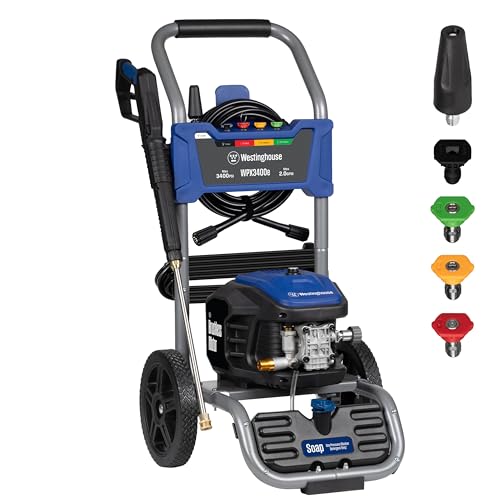
- Gas pressure washer 3000 psi concrete cleaning
- Electric pressure washer 2000 psi for sidewalks
- Concrete surface cleaner attachment for pressure washer
- Rotary sidewalk scrub brush attachment
- Extension pole concrete cleaning brush for sidewalks


Before You Start
Inspect the sidewalk for cracks or loose segments and avoid cleaning loose concrete edges that could damage the surface. Clear the area of outdoor furniture, planters, and debris. Protect nearby plants and paved surfaces with plastic sheeting or mats. Wear safety goggles, gloves, and closed-toe shoes. If using a gas-powered unit, ensure proper ventilation and follow manufacturer fuel and maintenance guidelines. Never point the spray at people, pets, or windows. Plan to work during daylight or with adequate lighting, and avoid cleaning when surfaces are extremely hot or freezing cold.
Step-By-Step: How To Clean Sidewalks Effectively
- Prepare the area by outlining a start-to-finish cleaning path to minimize overlapping passes and prevent missed spots.
- Attach the chosen cleaning tool: a concrete surface cleaner attachment for pressure washer for large flat surfaces or a rotary sidewalk scrub brush attachment for textured areas.
- Set the unit to a safe operating pressure. For most sidewalks, start around 1500–2000 psi with a wide nozzle and adjust as needed.
- Begin at a distant edge and move in consistent, overlapping passes. Maintain a slight angle to lift embedded grime without gouging the concrete.
- Use a detergent or degreaser formulated for concrete if stains persist. Apply according to product instructions, then agitate with the brush or surface cleaner.
- Rinse thoroughly from top to bottom to prevent wash-back staining. Switch to a less aggressive nozzle for final rinsing if required.
- Address stubborn stains (oil, rust, mildew) with spot treatments or a concrete-safe cleaner. Re-treat and follow with a final rinse.
- Inspect the cleaned area for uneven cleanliness; re-clean any persistently dirty patches, especially near edges and joints.
- Let the surface dry completely before reintroducing outdoor items or applying sealers (if planned later).
Troubleshooting
| Symptom | Likely Cause | Fix | Prevention |
|---|---|---|---|
| Streaks or uneven color after cleaning | Uneven pressure or spray angle | Adjust distance and angle; use a surface cleaner for even coverage | Maintain consistent passes and equipment settings |
| Surface appears chipped or pitted | Excessive pressure on delicate concrete | Lower pressure and avoid direct metal-to-concrete contact | Test on a small area first |
| Detergent residue left behind | Insufficient rinsing | Rinse with clean water at moderate pressure | Use a final rinse sweep line across the work area |
| Streaks near edges | Water drainage blocked or nozzle too close to wall | Adjust nozzle position; clean along edges separately | Keep a consistent distance from edges |
Common Mistakes
- Using too high pressure on fragile concrete can cause pitting or etching.
- Cleaning when surfaces are hot can cause rapid drying and streaks.
- Overlooking edge and joint areas where dirt accumulates.
- Neglecting safety gear or protective measures for bystanders and plants.
Tips For Best Results
- Choose the right attachment for the job: a concrete surface cleaner attachment for pressure washer for wide, flat sidewalks and a rotary sidewalk scrub brush attachment for textured or heavily stained sections.
- Work in segments to manage water runoff and keep the area organized.
- Consider a routine cleaning schedule to prevent buildup and simplify future maintenance.
- If sealer is planned later, avoid sealing a wet or newly cleaned surface; wait for complete dryness.
- Test solvents on a small area to check colorfastness and surface compatibility.
Call A Professional
Hire a professional if the sidewalk has severe cracks, large scale crumbling, or persistent oil stains that do not respond to standard cleaning. Stop work immediately if the surface shows significant damage, and consult a contractor for crack repair or resurfacing. Seek help sooner when neighboring structures or utilities may be affected by cleaning activities.
FAQ
Can I clean sidewalks with a standard garden hose?
Hoses can remove surface dirt but lack the power to remove embedded grime; consider a pressure washer for deeper cleaning.
What maintenance does a concrete surface cleaner require?
Clean the nozzle, check seals, and flush with clean water after use to prevent residue buildup.
Is it safe to use cleaning solutions on colored concrete?
Always test a small area first and use cleaners labeled safe for colored concrete to avoid discoloration.
How long should a sidewalk dry after cleaning?
Dry times vary with temperature and humidity; typically 2–6 hours under moderate conditions.
Buying Guide
Choosing the right equipment for sidewalk cleaning depends on surface size, stain severity, and maintenance goals. Consider size and layout of the sidewalk, typical stain types (oil, mildew, algae), and noise or emission preferences when selecting tools. Below are key buying factors to compare.
- Size and power: For large driveways, a gas pressure washer with high psi (around 3000 psi) offers faster cleaning; for smaller sidewalks, a 2000 psi electric unit can be sufficient and quieter.
- Attachment compatibility: Ensure the unit supports a concrete surface cleaner attachment and a rotary sidewalk scrub brush attachment.
- Control and ease of use: Look for adjustable spray patterns, variable pressure, and easy attachment changes.
- Mobility and storage: Lightweight models with hose length power cords or high-quality extension poles reduce fatigue and enable reach to corners.
- Maintenance and safety features: Primer and filter life, anti-vibration handles, and safety shutoffs help prevent accidents and equipment wear.
- Placement considerations: Store equipment in a dry area, keep detergents away from children and pets, and ensure outdoor outlets or fuel storage comply with local codes.
- Noise and emissions: Electric models are typically quieter and produce no exhaust, while gas models offer raw power for stubborn stains.
Ready to tackle sidewalks with confidence? Choose components that align with the work scale, stain types, and maintenance plans, and you’ll achieve clean, safe, inviting walkways with minimal effort.