Trash compactors simplify waste management, but they can develop stubborn odors and residue if not cared for regularly. This guide provides a practical, step-by-step approach using common cleaning tools and safe practices to keep your unit fresh and functioning smoothly.
Quick Answer
Unplug and empty the unit, spray a deodorizing solution, scrub interior surfaces with a long-handled brush, and rinse. Use deodorizer tablets or odor eliminator spray to maintain freshness between cleanings. Wear heavy-duty gloves and thoroughly dry all surfaces before reuse.
What You’ll Need
- Trash compactor cleaning brush
- Garbage compactor deodorizer tablets
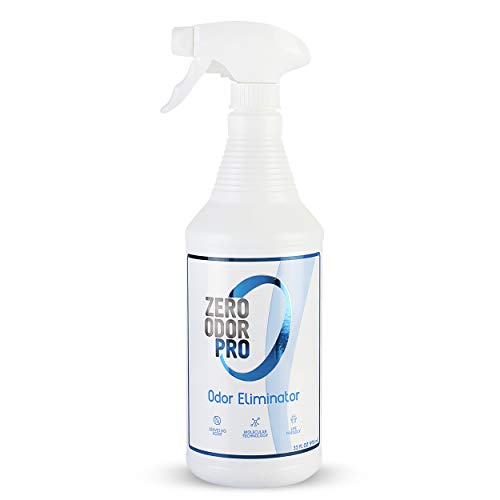
- Trash compactor odor eliminator spray
- Long-handled scrub brush for tight spaces
- Heavy duty disposable cleaning gloves


Before You Start
Preparation is key for safe and effective cleaning. Unplug the trash compactor and remove bags or loose waste. Wipe up any spills to minimize mess. Work in a well-ventilated area and wear protective gloves to guard against sharp edges or chemical splashes. Allow extra time for the interior to dry completely to prevent mold growth.
Step-By-Step: How To Clean A Trash Compactor
- Disconnect power and remove the trash bag or load from the bin.
- Rinse the interior with warm water to loosen sticky residues.
- Apply a cleaning solution or odor eliminator spray to all interior surfaces.
- Use the long-handled scrub brush for tight spaces to reach corners, the track, and the underside of the lever mechanism.
- Scrub away grime, then rinse again with clean water to remove cleaner residues.
- Place a deodorizer tablet or a few drops of odor eliminator spray along the interior to control future odors.
- Wipe the exterior and the lid edges to prevent transfer of grime to your hands or clothes.
- Dry the interior with a clean cloth or let it air-dry before reloading waste.
- Replace the bag, discharge, and run a short cycle if your unit has a self-clean option.
- Schedule regular cleanings, especially during hot weather or high-usage periods.
Troubleshooting
| Symptom | Likely Cause | Fix | Prevention |
|---|---|---|---|
| Persistent bad odor | Residual moisture or residue | Thorough scrub and dry interior completely; add deodorizer tablets | Clean every few weeks; keep unit dry |
| Streaks or sticky residue | Soap buildup or spilled liquids | Rinse thoroughly and wipe dry; use a food-safe cleaner | Wipe spills immediately |
| Rattling or jamming | Debris near moving parts | Carefully inspect and remove debris; lubricate if manufacturer-approved | Regular maintenance |
| Excess moisture after cleaning | Insufficient drying time | Air-dry longer or run a quick rinse cycle | Ventilate and dry before use |
Common Mistakes
- Using harsh solvents that can damage interior coatings
- Not unplugging or removing bags before cleaning
- Rushing the drying process, which reintroduces odors
- Overusing deodorizer tablets leading to chemical odors
Tips For Best Results
- Schedule a monthly clean during warm seasons when odors intensify.
- Pre-spray with a light mist of odor eliminator spray before placing a new bag.
- Keep a spare set of gloves for cleaning to avoid cross-contamination.
- Always follow manufacturer guidelines for any cleaning agents used.
Call A Professional
If the compactor is leaking, producing unusual noises beyond normal operation, or showing signs of rust that could compromise safety, stop using it and contact a professional appliance technician. Do not attempt internal repairs that involve electrical components.
FAQ
Can I use regular household cleaners in a trash compactor?
Yes, but select non-abrasive, non-corrosive cleaners and avoid strong solvents that could damage coatings.
How often should I clean my trash compactor?
A thorough interior cleaning every 1–2 months is a good baseline; increase frequency with heavy use or warm climates.
Do deodorizing tablets work well in metal trash compactors?
Garbage compactor deodorizer tablets help control odor, but ensure compatibility with your unit’s materials.
What should I do after a spill inside the bin?
Rinse, scrub, and dry promptly to prevent odors and buildup.
Is it necessary to use gloves?
Strong, disposable gloves are recommended to protect skin from cleaners and to maintain hygiene.
Buying Guide
Choosing the right cleaning routine and accessories for a trash compactor depends on several factors. Consider size and capacity, which influence how easily waste spreads during cleaning. Noise level matters if the unit is near living spaces. While cleaning is often straightforward, energy efficiency and cycle options can affect overall maintenance. Controls should be simple and intuitive to operate, minimizing the risk of improper cleaning. Placement—whether under the sink or in a utility room—determines venting needs and accessibility for cleaning supplies.
For accessory compatibility, assess whether the provided cleaning tools fit your model. Look for cleaning brushes designed for tight spaces and durable gloves for long-term use. Odor control is enhanced by compatible deodorizer tablets and odor eliminator sprays, which help maintain freshness between deep cleans. When comparing options, think about reliability, ease of use, and how well the products integrate into your existing household routine.
Would you benefit from a dedicated cleaning kit that combines a long-handled brush, a sturdy scrubbing brush, gloves, and odor control products? A kit can simplify shopping and ensure you have the essential items on hand for quick maintenance without disrupting daily chores.