Mineral buildup is a common issue in humidifiers, especially in areas with hard water. Left unchecked, scale can affect performance, reduce output, and harbor bacteria. This guide walks through practical, safe steps to remove mineral deposits and keep your device running smoothly.
Quick Answer
Empty and unplug the humidifier. Use a descaling solution or a vinegar-water mix to loosen deposits, then scrub with soft brushes. Rinse thoroughly, dry completely, and reassemble. Regular cleaning every 1–2 weeks during heavy use helps prevent buildup.
What You’ll Need
- humidifier descaler kit calcium scale remover
- humidifier cleaning brush narrow nozzle
- calcium buildup remover for humidifier
- humidifier scale remover spray bottle
- soft bristle brush humidifier water tank cleaning


Before You Start
Unplug the humidifier and remove the water tank. Empty any remaining water. Use non-abrasive tools to avoid scratching plastic parts. If your unit has a metal or coated tank, follow manufacturer recommendations to prevent corrosion. Allow for 20–40 minutes of cleaning time, depending on the level of buildup. Do not mix cleaners with bleach or ammonia unless the manufacturer approves it, as dangerous fumes can form.
Step-By-Step: How To Clean Mineral Deposits From Humidifier
- Disassemble the humidifier according to the user manual; remove the water tank and any removable parts.
- Prepare a descaling solution using a humidifier descaler kit calcium scale remover or a 1:1 white vinegar and water mix for light buildup.
- Soak removable components in the solution for 20–30 minutes to loosen scale; avoid immersion of electronic bases unless the manual allows it.
- Rinse components with clean water, then use a soft bristle brush humidifier water tank cleaning to scrub corners and seams with gentle, circular motions.
- Use a humidifier scale remover spray bottle to target stubborn spots on the interior walls; spray, wait 5–10 minutes, then scrub again.
- For hard-to-reach areas, attach a humidifier cleaning brush narrow nozzle to a bottle brush or flexible brush and carefully clean the nozzle and tubing.
- Rinse all parts thoroughly and air-dry completely before reassembling; ensure no cleaning residues remain in the tank or vents.
- Fill the tank with clean water and run the humidifier for a short cycle to verify no off-flavors or residues are emitted.
- Repeat the cleaning routine regularly, especially in areas with hard water, to prevent rapid buildup.
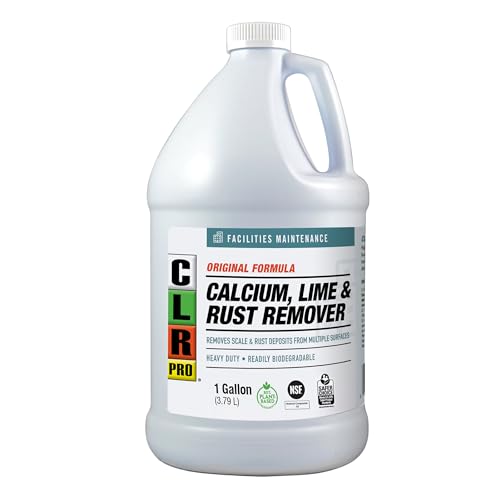
- If deposits persist, consider using a more robust solution from a calcium buildup remover for humidifier and follow the product instructions precisely.
- Document your cleaning routine and set reminders to maintain a monthly schedule during peak usage.
- Store the humidifier in a dry area when not in use to minimize moisture-related residue formation.
Troubleshooting
| Symptom | Likely Cause | Fix | Prevention |
|---|---|---|---|
| Humidifier emits a sour or musty smell | Residual minerals or mold in tank | Thoroughly clean and dry tank; replace water daily | Use distilled water if possible |
| White powdery residue on surfaces | Hard water mineral deposits | Descale with appropriate remover; rinse well | Regular descaling schedule |
| Reduced mist output | Scale buildup blocking pathways | Clean internal passages and nozzles | Run maintenance clean monthly |
| Unpleasant taste or odor after cleaning | Residue from cleaners | Rinse thoroughly; run a rinse cycle with clean water | Use manufacturer-approved products |
Common Mistakes
- Using abrasive brushes that scratch tanks or coatings
- Mixing cleaners or using bleach in humidifier units not approved by the manufacturer
- Skipping thorough rinsing after descaling, leaving residues behind
- Ignoring maintenance frequency, leading to rapid mineral buildup
Tips For Best Results
- Prefer distilled water to reduce mineral deposits; it can extend cleaning intervals.
- Run a short rinse cycle after each cleaning to remove lingering cleaner traces.
- Label and store cleaning tools to avoid cross-contamination between different cleaners.
- Clean the base and fan housing as part of a comprehensive maintenance routine, not just the tank.
- If odors persist, consider replacing affected parts per manufacturer guidance.
Call A Professional
Contact a professional if the humidifier shows persistent leaks, unusual noises, or if mineral buildup is deeply embedded in sealed components. Seek immediate help if there is visible corrosion or if the unit fails to operate safely after cleaning. Do not attempt to disassemble electronic modules beyond the user-accessible parts.
FAQ
Can I use vinegar to descale my humidifier?
Yes, a vinegar and water solution can effectively loosen mineral deposits. Rinse thoroughly after treatment to remove odor.
How often should I descale a humidifier?
Descale every 1–2 weeks during heavy usage or monthly in areas with very hard water, plus a quick rinse between uses.
Are descaler kits safe for all humidifiers?
Most descaler kits are designed for consumer humidifiers, but always check the manufacturer’s guidelines before use.
What water is best for humidifiers?
Distilled or demineralized water minimizes mineral buildup and the need for frequent cleaning.
Should I clean the humidifier when not in use?
Yes, a light cleaning and thorough drying before storage helps prevent mold and mineral residue.
What parts are safe to clean with brushes?
Removable tanks, bases, and surfaces that contact water can be gently brushed with soft bristles; avoid electronic components.
Can mineral buildup affect air quality?
Excess minerals can aerosolize and leave white dust. Regular cleaning reduces this risk.
Buying Guide
When choosing a humidifier cleaning routine and tools, consider size, water hardness, and maintenance preferences. Key buying factors include:
- Size and type of unit: Larger models with exposed tanks may require more frequent cleaning.
- Noise level: Some cleaning tools are firmer but may produce more mess; soft brushes reduce noise and abrasion.
- Energy and water use: Simple descale solutions and routine rinsing minimize waste.
- Controls and compatibility: Use products labeled safe for your humidifier’s material (plastic, coated surfaces, or metal).
- Placement: Clean areas with good ventilation to prevent lingering fumes from cleaners.
Consider a compact descaler kit and a dedicated cleaning brush set that includes a narrow-nozzle brush for difficult-to-reach areas. If hard water is common in the home, set up a regular maintenance schedule to prevent heavy mineral deposits and keep the humidifier performing at peak efficiency.