Mirrors can instantly brighten a room, but smudges, fingerprints, and dust can dull their reflection. This guide explains a practical, American-friendly approach to cleaning mirrors effectively using common tools and safe techniques. The steps prioritize gentle methods that protect glass surfaces while delivering a crystal-clear finish.
With the right supplies and a simple routine, anyone can achieve a streak-free mirror that looks freshly installed. The methods below emphasize accessibility, safety, and efficiency for everyday use in homes, apartments, and offices.
Quick Answer
To quickly restore clarity: start with a dedicated glass cleaner and a soft, lint-free cloth; use a squeegee for large surfaces or a microfiber pad for edges; wipe in a consistent pattern from top to bottom to prevent drips and streaks.
What You’ll Need
- Microfiber glass cleaning cloth for mirrors
- Mirror squeegee with soft rubber blade
- Glass cleaning spray bottle with adjustable nozzle
- Lint-free glass cleaning pad for mirrors
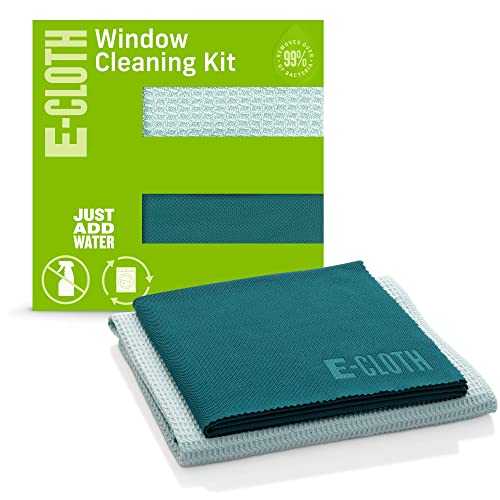
- Streak-free glass cleaning kit with microfiber cloths


Before You Start
Prepare a clutter-free workspace and protect nearby surfaces with a soft, damp towel. Ventilate the area to avoid chemical fumes, especially in small rooms.
Safety tips: never spray cleaner directly onto electronic screens or mounted fixtures unless the product label specifically allows it. Avoid abrasive pads that can scratch glass. Test a small, inconspicuous area first if you’re unsure about a cleaner’s effect on coatings.
Time estimate: 5–15 minutes for a standard mirror; larger bathrooms or decorative mirrors may take longer. Gather materials before you begin to minimize interruptions.
Step-By-Step: How To Clean A Mirror For A Clear, Streak-Free Finish
- Remove loose dust with a dry microfiber cloth, moving in circular motions to lift particles from the surface.
- Spray the glass cleaner lightly onto the cloth or onto the mirror in a small, controlled pattern—avoid soaking to prevent drips from running onto frames.
- Wipe in horizontal or vertical strokes, applying even pressure from edge to edge to distribute cleaner evenly.
- Use a lint-free glass cleaning pad for mirrors on stubborn smudges around corners and edges, taking care not to abrade the surface.
- For large mirrors, employ a mirror squeegee with soft rubber blade to remove excess liquid, starting at the top and working downward.
- Buff the final pass with a dry microfiber cloth until the surface shines and streaks are minimized.
- Inspect for streaks under bright light. If visible, repeat with a slightly damp cloth followed by a dry pad.
- Clean the frame and surrounding area to maintain a cohesive, spotless appearance.
- Store cleaning tools in a dedicated spot to keep the kit ready for next use.
- Dispose of any disposable wipes and rinse reusable cloths after each use to prevent residue buildup.
- Document a quick routine: dust, spray, wipe, squeegee (if applicable), buff, and inspect for best results.
Troubleshooting
| Symptom | Likely Cause | Fix | Prevention |
|---|---|---|---|
| Streaks after cleaning | Cleaner residue or dry cloth buildup | Use a fresh microfiber pad and wipe with a damp cloth, then dry | Limit cleaner quantities; wipe in consistent directions |
| Cloudy appearance | Too much cleaner or hard water residue | Rinse with a microfiber cloth dampened with water and re-wipe | Use distilled water or a dedicated glass cleaner |
| Visible lint left on glass | Cloth fibers shed onto surface | Switch to a clean, lint-free pad; wash cloths regularly | Use high-quality microfiber products |
| Streaks near edges | Product pooled in corners | Wipe toward the center and use the squeegee for edges | Avoid spraying too close to edges |
Common Mistakes To Avoid
- Using abrasive pads or household wipes that leave residues
- Applying cleaner directly to frame or edges where it can run down
- Over-wetting the surface, which causes drips and streaks
- Skipping a final buff with a dry cloth, leaving moisture marks
Sticking to a light, methodical approach reduces common issues and yields consistently clear results.
Tips For Best Results
- Choose a streak-free kit or a duo that includes microfiber cloths and a squeegee for versatile cleaning.
- Work in a well-lit area to catch missed spots, especially around edges and corners.
- Keep a dedicated area for cleaning tools to prevent cross-contamination with other surfaces.
- Alternate methods: use a microfiber pad for touch-ups and a squeegee for large surfaces to speed up the process.
- Regular maintenance reduces buildup and makes each cleaning quicker.
Call A Professional
Consider professional help if mirrors are heavily etched, if frames or hardware require refinishing, or if cleaning involves hazardous chemicals beyond standard household products. Seek a pro when glass surfaces show persistent clouding, discoloration, or damage that affects reflectivity.
FAQ
What is the best cleaner for mirrors?
A dedicated glass cleaner or a vinegar-water solution with a microfiber cloth often yields clear results without residues.
Can I use paper towels on mirrors?
Paper towels can leave lint; use lint-free cloths or microfiber for best results.
How do I prevent streaks on mirrors after cleaning?
Wipe in consistent strokes, avoid over-wetting, and finish with a dry cloth to buff away any remaining moisture.
Is it safe to clean mirrors with window cleaners?
Yes, but test a small area first and avoid ammonia-based products on specific coatings.
Buying Guide
When choosing mirror-cleaning tools, consider size, performance, and ease of use. A streak-free kit with microfiber cloths paired with a flexible squeegee often delivers the best balance of speed and results for most households. Look for:
- Size compatibility — select a squeegee width that fits the mirror dimensions to avoid overhead or missed spots.
- Noise and friction — softer rubber blades minimize noise and prevent scratches on delicate surfaces.
- Material quality — lint-free pads and high-grade microfiber reduce residue and lint transfer.
- Controls — adjustable nozzle bottles allow targeted spraying without overspray.
- Placement — store tools together near cleaning areas for quick maintenance sessions.
Comparing kits by the included tools helps ensure you get a complete setup without unnecessary extras. For most homes, a basic combination of a microfiber cloth set, a glass cleaning spray bottle with adjustable nozzle, and a lint-free cleaning pad provides reliable, repeatable results. If you frequently tackle large bathroom mirrors, a dedicated mirror squeegee can speed up the process and reduce streaks.