Static can make sweaters cling uncomfortably and attract dust. This guide explains practical, safe methods to reduce or eliminate static cling on knits, including wool and synthetic blends. Strategies range from quick in‑the‑moment fixes to longer‑lasting preventative measures.
Quick Answer
Plan to neutralize charge at the fiber level using a combination of moisture, neutralizing sprays, and gentle brushing. Apply a light mist, rub with a soft cloth, and consider a fabric softening routine between wears. For persistent cling, targeted anti‑static products designed for wool and knitwear can provide immediate relief.
What You’ll Need
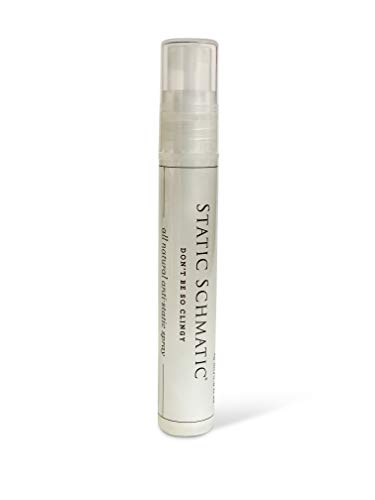
- anti static spray for wool sweaters fabric spray bottle
- static cling remover spray for knitwear clothing
- fabric anti-static spray for sweaters softener
- electrostatic cloths anti static for garments
- anti-static fabric brush for sweaters


Before You Start
Before applying any anti‑static method, ensure the sweater is clean and fabric‑care labels are followed. Test sprays on a small inconspicuous area to avoid staining or discoloration. Work in a well‑ventilated area and avoid soaking the garment. Allow treated areas to air dry completely before wearing. Critical cautions: never spray near open flames, and avoid using high heat during drying, which can increase static buildup in some fibers.
Step-By-Step: How To Remove Static From Sweaters
- Lay the sweater on a flat surface, smoothing out any wrinkles.
- Lightly mist the fabric with a dedicated anti‑static spray for wool sweaters or a neutral fabric anti‑static spray. Keep the spray distance indicated on the label to prevent over‑saturation.
- Gently rub the sprayed areas with a clean, soft cloth to distribute the mist evenly and to avoid shiny patches.
- If you prefer a brush, use an anti-static fabric brush for sweaters to lift and balance the electrostatic charges.
- Alternatively, wipe the surface with electrostatic cloths anti static for garments for a quick wipe‑down.
- Allow the sweater to air dry completely before trying on. The fibers should feel less clingy as moisture neutralizes charge.
- For persistent cling, repeat the misting and brushing steps on the body, sleeves, and cuffs where static tends to build up.
- To reduce future static, apply a light spray after washing and drying, following the garment’s care instructions, and store sweaters in a breathable cotton bag or with low static fabrics nearby.
Troubleshooting
| Symptom | Likely Cause | Fix | Prevention |
|---|---|---|---|
| Sweater clings even after spraying | Insufficient coverage or highly static fibers | Reapply lightly and brush evenly | Use anti‑static spray after each wash |
| Shiny patches after spraying | Over‑spraying or rubbing too hard | Blot with dry cloth, re‑brush gently | Spray sparingly, test on hidden area |
| Spray leaves residue | Low‑quality product or wrong fabric type | Switch to a formulation designed for wool/knits | Choose a product labeled for sweaters |
| No change after drying | Static charge persisted from dry air or synthetic blend | Use a humidifier in the room and re‑apply | Store with breathable materials to maintain moisture |
Common Mistakes
- Over‑soaking knit fabrics with sprays, which can leave sticky residues
- Using highly scented or scented sprays that irritate sensitive skin
- Spraying near zippers or metal components that can spark or attract lint
- Not testing on a hidden area of a delicate knit
Tips For Best Results
- Keep humidity moderately elevated in the room where you store and wear sweaters to reduce static buildup.
- Apply anti‑static products after laundering, while fabrics are still slightly damp if the label allows.
- Choose products specifically formulated for wool or knitwear to maintain fabric hand and appearance.
- Store knits folded rather than hung to reduce friction that creates static when moving against hangers.
Call A Professional
Consider consulting a professional textile care specialist if static issues persist after multiple attempts or if the garment shows signs of damage, discoloration, or unusual texture changes. Seek help if moth damage or fiber thinning is suspected, as aggressive treatments could worsen the condition.
FAQ
How can I quickly remove static from a sweater at home?
Lightly mist the sweater with an anti‑static spray aimed at wool or knits, then brush or blot with a soft cloth and let it dry.
Are anti‑static sprays safe for wool?
Yes, when used as directed on the label; choose products specifically formulated for wool or knit fabrics.
Can I use a fabric softener to reduce static on sweaters?
Small amounts of fabric softener can help, but use dedicated anti‑static sprays for best results and avoid overdiluting care cycles.
Do antistatic cloths work on all fabrics?
They work best on smooth or slightly textured knits; results vary with fiber content and weave.
Should I wear a lotion to reduce static cling?
Moisturizing skin won’t reduce fabric static; focus on humidity and fabric care products for the garment itself.
Is static more likely in winter?
Yes, dry indoor air increases static; consider humidification and regular anti‑static treatments during dry seasons.
How often should I apply anti‑static spray to sweaters?
As needed, especially after washing, drying, or extended wear in dry environments.
Buying Guide
When selecting an anti‑static solution for sweaters, consider size, ease of use, and fabric compatibility. Look for formulas labeled for wool or knitwear, as these are gentler on fibers and maintain texture. Consider the following factors:
- Size and application: Choose bottles with comfortable spray heads and refill options for frequent use.
- Noise level and scent: If you are sensitive to scents or prefer low‑noise use, choose a fragrance‑free option and a quiet spray bottle.
- Energy efficiency: Not applicable to sprays, but rely on products that work effectively at low application rates to minimize waste.
- Controls: Look for clear label instructions and safety warnings; test on inconspicuous areas first.
- Placement and storage: Store away from heat sources; keep sprays upright to avoid leaks and protect surfaces.
- Material compatibility: Prioritize sprays formulated for natural fibers (wool, cotton blends) and a separate option for synthetic knits if needed.
- Maintenance routine: Incorporate anti‑static steps into regular washing and drying to maintain results over time.
With the right product and routine, static on sweaters becomes a manageable, routine care item rather than a repeated frustration. Would you like recommendations tailored to your sweater type (wool, cotton blend, or synthetic knit) and climate conditions?