Electric hair clippers are essential tools for professional barbers and home stylists alike. Proper maintenance keeps blades sharp, reduces irritation, and extends the life of the device. This guide outlines a clear, step-by-step process to clean and lubricate clippers using commonly available accessories, with practical tips for different environments and clipper models.
Quick Answer
For quick maintenance, unplug the clipper, remove excess hair with a cleaning brush, spray the blade with a dedicated cleaning spray, gently wipe, oil the blades with a maintenance oil, and store on a cleaning mat. Repeat after every use for best results.
What You’ll Need
Gather these items to complete a thorough clean and lubrication routine. Using these tools helps keep blades smooth and reduces buildup that can affect performance.
- electric hair clipper cleaning brush set
- clipper blade cleaning spray for hair clippers
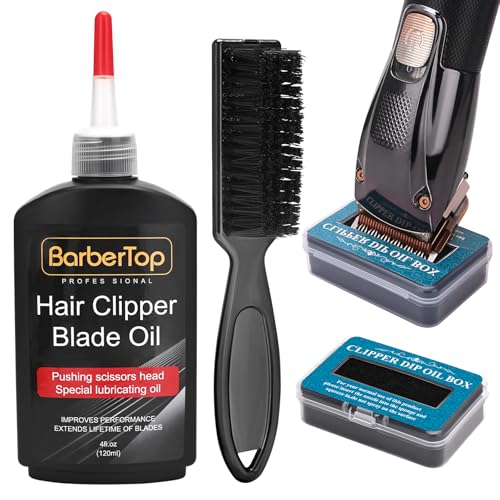
- hair clipper blade oil 4 oz maintenance kit
- clipper cleaning mat and brush combo
- professional hair clipper cleaning and lubrication kit


Before You Start
Safety comes first. Always unplug the clipper before cleaning to prevent accidental start-up. If the device is cordless, remove the battery pack if possible. Work in a well-lit area and protect surfaces with the cleaning mat. Note that some cleaning sprays may contain alcohol, which can dry out the skin and eyes; wear eye protection if you’re uncertain about splashes. Time estimates: basic clean takes 5–10 minutes per session; a thorough maintenance routine, including oiling, takes about 10–15 minutes.
Caution: Never run clippers underwater or immerse them unless the manufacturer explicitly allows it. Avoid contact with electrical components during cleaning.
Step-By-Step: How To Clean Electric Hair Clippers
- Unplug the clipper and remove any detachable guards or attachments to access the blade area easily.
- Use the cleaning brush to remove loose hair from the blades, vents, and any nooks. A small, firm brush from the cleaning kit works best for stubborn buildup.
- Apply a light mist of clipper blade cleaning spray for hair clippers to the blade edge. Let it sit for a few seconds to loosen oils and debris, then wipe with a clean cloth or the included mat.
- Inspect the blade alignment and gap. If you notice uneven spacing or dullness, consider reseating or replacing the blade according to the manufacturer’s instructions.
- Wipe down the blade housing and surrounding areas with a damp cloth or the mat to remove remaining residue. Dry thoroughly before proceeding.
- Apply a few drops of hair clipper blade oil 4 oz maintenance kit along the top and sides of the blade while the clipper is still open. Avoid oiling the inside directly on motor components. Allow the oil to distribute evenly by turning the clipper on briefly.
- Wipe away any excess oil with a clean cloth. Excess oil can attract dust and hair, which reduces performance over time.
- Reassemble attachments and run the clipper against a scrap fabric or mat to ensure smooth operation and to verify there are no unusual sounds or resistance.
- Clean the exterior surfaces with a microfiber cloth to finish. If your kit includes a clipper cleaning mat and brush combo, use it to organize the storage and keep the workspace tidy.
- Store the clipper in a dry, cool place. Use the included protective case or pouch if available to prevent dust buildup.
Troubleshooting
| Symptom | Likely Cause | Fix | Prevention |
|---|---|---|---|
| Blade pulls or snags | Dried oil or debris between blades | Clean thoroughly and re-lubricate | Clean after each use; keep oil handy for quick touch-ups |
| Clippers fade or cut inconsistently | Worn or misaligned blade | Check blade alignment, replace if necessary | Regular maintenance schedule |
| Overheating | Excess debris blocking vents or motor | Clean vents and blade housing; reduce usage time between cool-downs | Clean after sessions; avoid blocking air intake |
| Oil leaks or excess oil | Over-oiling or improper application | Wipe off excess; apply sparingly | Follow manufacturer guidance for oil quantity |
Common Mistakes
- Using too much cleaning spray or water near electrical components
- Oiling the motor or interior parts instead of the blade surfaces
- Neglecting to wipe away excess oil, which attracts hair and dust
- Ignoring blade alignment after cleaning, leading to uneven cuts
- Cleaning with abrasive materials that can scratch blade surfaces
Tips For Best Results
- Clean blades immediately after use to minimize buildup and preserve sharpness.
- Keep a dedicated maintenance kit on hand for regular lubrication and cleaning routine.
- Schedule a deeper service periodically with a professional if blades become dull or misaligned.
- Store blades in a protective sleeve or case to prevent nicks and rust.
- Use the clipper cleaning mat and brush combo to organize the workspace and prevent cross-contamination of tools and blades.
Call A Professional
Stop signs to contact a professional include persistent cutting issues after cleaning and lubrication, unusual noises, loose blade mounting, or electrical smell. If the unit is under warranty and the issue seems mechanical rather than user-serviceable, contact the manufacturer’s service center or an authorized repair technician.
FAQ
How often should I clean my electric hair clippers?
Clean after each use and perform a thorough maintenance routine weekly or after heavy usage, depending on the environment.
Can I use household cleaners on clipper blades?
Avoid household cleaners that may corrode metal or leave residues; use dedicated clipper blade cleaning spray and a soft brush.
Is it necessary to oil every time I clean?
Oiling is recommended after every cleaning to maintain blade lubrication and reduce friction.
What should I do if the blades rust?
Gently remove the blade, clean with a solvent-safe cleaner, and replace if rust is extensive. Regular lubrication helps prevent rust.
Are cordless clippers easier to maintain?
Cordless units follow the same cleaning and lubrication steps; ensure contact points and batteries are handled according to manufacturer instructions.
How long does a maintenance kit last?
Durability depends on usage; follow product guidelines for replacement intervals of blades, oils, and sprays.
Buying Guide
Choosing the right maintenance tools for electric hair clippers involves evaluating factors such as size of the blade area, the noise level of the spray and motor, energy efficiency of the device, control accessibility for oiling and cleaning, and placement options for organizing tools. When comparing kits, consider the scope of included items: cleaning brushes, blade cleaning spray, oil, and a cleaning mat. Some kits bundle a comprehensive professional cleaning and lubrication set, which may provide better long-term value for frequent users. For larger studios or barber shops, a multi-tool kit with durable brushes and larger oil bottles can reduce refill frequency and downtime between cleanings. A compact home setup should prioritize portability, a compact mat, and a spray that dries quickly without leaving residue. Overall, match the kit contents to your clipper model, preferred cleaning style, and the frequency of use to keep blades performing at their best.