Cleaning a pleather couch keeps it looking fresh and helps extend its life. This guide provides practical, step-by-step methods using common household tools and the listed products. It emphasizes safe techniques for vinyl and faux leather surfaces while avoiding damage from harsh cleaners.
Quick Answer
Quick method: Wipe with a damp microfiber cloth, apply a mild foam cleaner or a vinyl leather couch cleaner kit, then wipe again with a clean cloth. For stubborn stains, use a soft bristle brush gently, followed by a wipe-down with a damp cloth. Finish with a light conditioning spray if recommended by the product instructions.
What You’ll Need
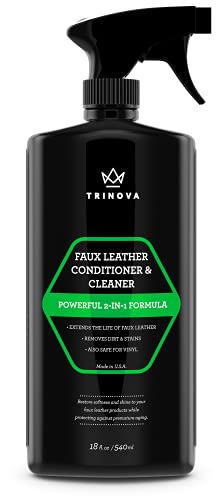
- Pleather sofa cleaner spray bottle
- Vinyl leather couch cleaner kit
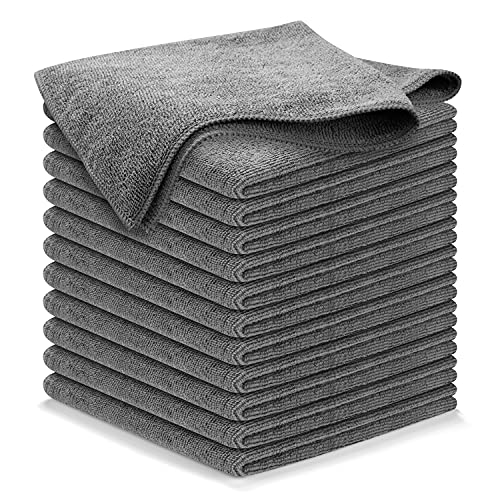
- Microfiber cloths for pleather cleaning
- Soft bristle leather cleaning brush
- Foam cleaner for vinyl leather sofa
Before You Start
Before cleaning, remove loose debris with a dry microfiber cloth. Test any cleaner in an inconspicuous area to check for color transfer or staining. Work in a well-ventilated room and keep liquids away from seams to prevent seepage. Time estimate: 20–45 minutes per cleaning session, depending on stain size. Important: Never use bleach or abrasive pads on pleather, as these can damage the surface and cause cracking.
Step-By-Step: How To Clean Pleather Couch
- Dust and wipe the couch with a dry microfiber cloth to remove surface particles.
- Mix or apply a foam cleaner for vinyl leather sofa per product instructions, or spray a pleather sofa cleaner spray bottle onto a microfiber cloth.
- Gently wipe the surface in circular motions to lift dirt without saturating the material.
- For stubborn spots, use a soft bristle leather cleaning brush with light pressure, focusing on the stained area.
- Wipe away any cleaner with a clean, damp microfiber cloth. Remove residue to prevent stickiness.
- Dry the surface with a dry microfiber cloth. Allow air drying for a few minutes before use.
- If you use a vinyl leather couch cleaner kit, follow the kit’s included steps for best results and protectors or conditioners if recommended.
- Inspect seams and crevices; remove any trapped dirt with a corner of the cloth or a soft brush.
- For frequent maintenance, lightly spray a compatible conditioner or protective spray after cleaning (check product guidelines).
- Repeat quarterly or as needed based on wear and household conditions.
- Disinfecting: If desired, use a clean cloth with a mild, non-alcoholic solution and test first.
- Store cleaning supplies in a cool, dry place away from direct sunlight to prevent product degradation.
Troubleshooting
| Symptom | Likely Cause | Fix | Prevention |
|---|---|---|---|
| Soap residue after cleaning | Excess cleaner or poor rinsing | Wipe with a damp cloth, then dry | Use minimal cleaner; rinse thoroughly |
| Sticky surface | Over-application or incompatible product | Buff with dry cloth; test future products | Follow product directions exactly |
| Discoloration | Wrong cleaner on colorfast pleather | Rinse and test in hidden area; discontinue product | Choose cleaners labeled safe for your pleather color |
| Cracks or stiffness after cleaning | Over-wetting or harsh cleaners | Dry surface thoroughly; use a gentle conditioner if approved | Avoid saturating; use approved products only |
Common Mistakes
- Using bleach, ammonia, or abrasive tools on pleather.
- Soaking the upholstery with liquids, which can seep into seams.
- Neglecting a test patch before wide application of cleaners.
- Skipping drying time, which can leave surfaces tacky or promote mold in crevices.
- Assuming all vinyl cleaners work on pleather; always confirm compatibility.
Tips For Best Results
- Always start with the gentlest cleaner and move to stronger products only if necessary.
- Maintain a routine cleaning schedule to prevent buildup on the surface.
- Use microfiber cloths to minimize scratching and lint transfer.
- Store cleaners in a cool place away from direct sunlight to maintain efficacy.
- Keep cushions evenly spaced to avoid uneven wear patterns on the surface.
Call A Professional
Consider a professional if the couch has extensive fading, deep stains, or damaged surface areas that cleaning cannot fix. Stop and seek expert help if there is significant cracking, peeling, or water damage near seams. A pro can assess whether the pleather needs restoration, patching, or vinyl-specific repair products beyond consumer kits.
FAQ
Can I use household soap to clean pleather?
Plain, mild soap with water can be used in small amounts, but avoid harsh detergents that may dry or dull the surface.
Is it safe to use a foaming cleaner on all pleather products?
Most vinyl and pleather surfaces tolerate foam cleaners, but always check the label for compatibility with your specific material.
How often should I clean a pleather couch?
Light cleaning every 2–4 weeks and a deeper clean every 3–6 months works well for most households.
What should I do about strong odors from the couch?
Ventilate the room and use a mild deodorizing spray approved for vinyl surfaces, applying in a well-ventilated area and testing first.
Buying Guide
Choosing the right cleaning supplies for pleather couches involves considering several factors. Size and layout of the sofa affect how much product is needed and how easily you can reach all areas. Noise level is generally not a concern with spray bottles or foam cleaners, but consider the effort required for tough stains. Energy efficiency isn’t a primary factor here, but ease of use and quick-drying time matter for daily living. Look for:
- Size and coverage — ensure the cleaner kit or spray bottle covers the sofa area without excessive reapplication.
- Effectiveness — choose products designed for vinyl or pleather and test compatibility with your couch color and finish.
- Controls and application — spray bottles, pre-moistened cloths, or foaming formulas; select what fits your cleaning style.
- Drying time — quicker drying reduces downtime and helps prevent moisture from seeping into seams.
- Odor — look for low-odor or fragrance-free options if sensitivity is a concern.
- Placement — keep cleaners away from direct sunlight and heat sources to preserve performance and prevent material damage.
For best results, match products to your couch’s material and color, follow all instructions, and test in an inconspicuous area first. If you’re unsure which kit or spray to choose, start with the pleather sofa cleaner spray bottle and verify compatibility with your furniture’s finish before broader use. Would you like recommendations tailored to your couch’s color and age?