Period stains can happen at inopportune moments, but with the right steps and tools, they don’t have to leave a lasting mark. This guide outlines practical, step-by-step methods to lift stains from fabrics, using common laundry products and proven stain-removal techniques.
Quick Answer
Act quickly to treat fresh stains, rinse with cold water, and apply a targeted stain remover or enzyme detergent. For set stains, repeat treatments and consider multiple approaches to break down the proteins in menstrual blood. Always test a small, hidden area first to avoid damage.
What You’ll Need
Gather these tools and products to tackle period stains effectively. The list prioritizes accessible, store-bought options.
- Fabric stain remover brush for laundry
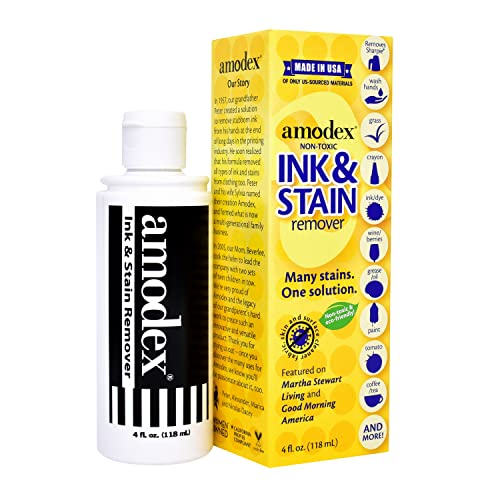
- Stain remover pen for clothes blood stain
- Pre-wash stain remover spray for period stains
- Enzyme laundry detergent for blood stain removal
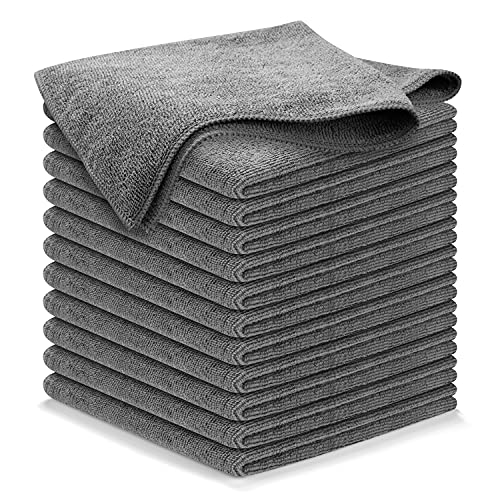
- Microfiber cleaning cloth for stain removal

Before You Start
Before treating stains, identify the fabric type and colorfastness. Always test any cleaner on a hidden seam or hem to prevent discoloration. For delicate fabrics like silk or wool, consider professional cleaning. Time estimates: immediate rinse takes 1–3 minutes; pretreatment and washing can take 15–45 minutes, depending on fabric and stain severity. Avoid hot water on protein-based stains as heat can set them permanently.
Step-By-Step: How To Remove Period Stains
- Rinse with cold water as soon as possible, running water through the fabric from the backside to push the stain out.
- Blot, don’t rub, using a microfiber cleaning cloth for stain removal to absorb excess moisture without spreading it.
- Pre-treat with stain remover spray for period stains and let it sit for 5–10 minutes before washing.
- Apply enzyme detergent to spots with blood-like color and massage gently with a fabric stain remover brush for laundry.
- Use a stain remover pen for stubborn areas to target small, resistant spots, following product directions.
- Launder as usual in cold or warm water appropriate for the fabric, selecting the longest safe cycle.
- Check before drying once the cycle ends; if any stain remains, repeat pretreatment and washing. Do not place in the dryer until fully removed.
- Air dry or line dry to monitor stain lift and avoid heat setting if any trace remains.
- For white or colorfast fabrics, consider adding a whitening-safe booster or oxygen-based bleach as directed by the label.
- Treat delicate fabrics separately and seek professional cleaning if uncertain about fabric integrity.
- Document repeated stains and adjust future prevention, such as changing sanitary products more frequently or using darker fabrics in certain outfits.
Troubleshooting
| Symptom | Likely Cause | Fix | Prevention |
|---|---|---|---|
| Stain remains after washing | Protein-based stain not fully treated | Repeat pretreatment with enzyme detergent; try a second wash | Pre-treat promptly; avoid heat until stain is gone |
| Fabric color fading | Harsh cleaners or chlorine bleach on non-colorfast fabrics | Switch to gentle, fabric-safe products; test first | Use color-safe detergents and follow care labels |
| Stain spreads during rinsing | Water pressure or backside flushing | Rinse from the fabric’s back and blot gently | Rinse cold; avoid rubbing |
| Delicate fabric damage | Aggressive brushing or harsh chemicals | Limit brushing; use milder cleaners | Professional cleaning if in doubt |
Common Mistakes To Avoid
- Using hot water on fresh period stains – it can set proteins and make stains harder to remove.
- Rubbing or scrubbing aggressively, which can embed stain particles and damage fibers.
- Ignoring fabric care labels, risking color fading or fabric distortion.
- Skipping a pretreatment and washing procedure when the stain is fresh.
Following these cautions helps preserve fabric integrity while improving stain removal outcomes.
Tips For Best Results
- Work from the outside of the stain inward to avoid enlarging the stain.
- Use a combination approach: pretreatment, enzymatic wash, and a targeted stain pen for small areas.
- Always test any product on an inconspicuous area first to prevent fabric damage.
- For persistent stains on white fabrics, consider an oxygen-based booster but follow label directions.
Call A Professional
Contact a professional cleaner if stains persist after multiple treatments, especially on valuable or delicate fabrics like silk, wool, or leather. Stop treating if the fabric shows discoloration, texture changes, or any chemical reactions. Seek expert advice sooner rather than later for best results.
FAQ
Can period stains be removed from all fabrics?
Most common fabrics respond to enzyme detergents and targeted stain removers, but delicate materials or leather may require specialized care.
What should I do first when a stain appears?
Rinse with cold water immediately, blot with a microfiber cloth, then pretreat with a stain remover before washing.
Is heat dangerous for period stains?
Yes. Heat can set the stain, making it harder to remove. Use cold or warm water as advised by the fabric care label.
Are there any fabrics I should avoid with enzyme detergents?
Most cottons, synthetics, and blends respond well; check care labels for exceptions on silk, wool, or leather.
Do stain remover pens work on all stains?
They are effective on many small spots but may require combination with other treatments for tough stains.
Buying Guide
When choosing stain-removal products for period stains, consider size, efficiency, and compatibility with fabrics. Options include enzyme-based detergents, pre-wash sprays, and stain pens. Look for clear instructions, skin-friendly formulations, and color-safe formulas. For households with multiple fabrics, a versatile enzyme detergent paired with a pre-wash spray often delivers best coverage. If you frequently deal with delicate textiles, have a separate gentle cleaner for sensitive items. Matching tools to stains and fabrics helps ensure effective outcomes while protecting clothing.