Maintaining a crystal-clear hot tub involves more than just balancing pH and sanitizing. Suds or foam on the water surface can indicate organic buildup, improper cleansers, or overuse of detergents. This guide explains practical steps to stop foaming and keep the water comfortable and inviting for soaking.
Quick Answer
Use a dedicated hot tub defoamer to rapidly suppress suds, then identify the foam source. If foam recurs, check for residual cleaners, soap residues, and high organic load. For persistent foaming, a maintenance kit with defoamer and test strips helps you track chemistry and prevent future suds.
What You’ll Need
The following tools and products are commonly used to tame foam in hot tubs. Choose the closest match from the list below or use a compatible alternative from your spa supplier:
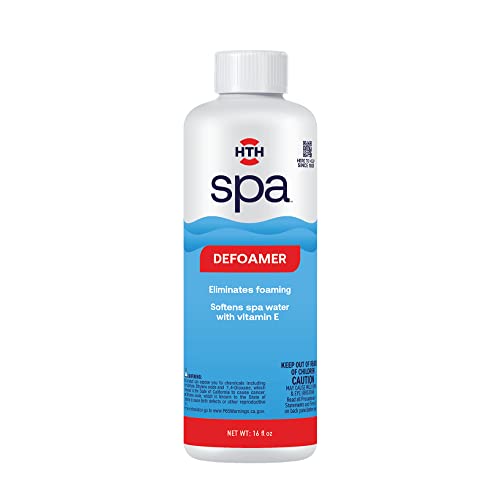
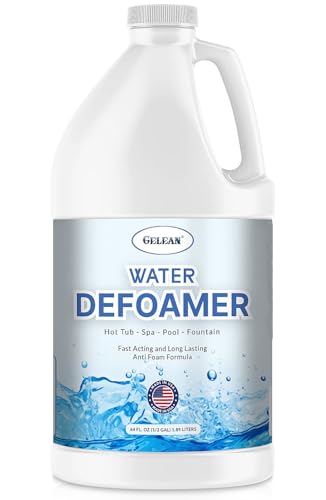
- Hot tub foam remover defoamer spray quart
- Spa defoamer concentrate hot tub foam control 8 oz
- Hot tub maintenance kit with defoamer and test strips
- Instant hot tub defoam product acrylic tub 4 oz
- Spa suds remover de-foaming for hot tub 2 oz

Before You Start
Before applying any defoamer, floating debris should be skimmed and the water tested. Foam is often a surface symptom of longer-term water chemistry issues. Wear protective gloves if you have sensitive skin and avoid inhaling mists from concentrated products. Plan for a short window of normal operating temperature and ensure the spa cover is off during application. Typical quick-acting defoamer takes effect within 15–30 minutes and does not replace routine cleaning and water balance monitoring.
Step-By-Step: How To Remove Suds In A Hot Tub
- Turn on the hot tub and set the jets to a medium speed to help distribute the foam suppressant evenly.
- Skim the surface to remove visible suds and debris, reducing the amount of foam that needs treatment.
- Test water chemistry with test strips from your maintenance kit to check pH, total alkalinity, and sanitizer levels.
- Read the product label for the chosen defoamer. Most sprays require a light, even mist over foamy areas rather than a heavy concentrate.
- Apply the defoamer according to the label—usually a small amount is enough for a standard-sized tub. Avoid pouring directly into the filter compartment unless instructed.
- Re-run the jets for 10–15 minutes to mix the defoamer and break the foam. Assess the water’s surface for improvement.
- If foam returns after initial treatment, repeat in small increments rather than over-applying. Chronic foam may signal residue from soaps or lotions in bathers.
- Drain a portion of the water if foam persists after multiple treatments and the water chemistry remains unbalanced. Refill with fresh water and re-test.
- Clean the filter if it appears dirty or coated with residue, as a clogged filter can contribute to poor circulation and foam buildup.
- Balance alkalinity and pH to recommended ranges. Stabilized water chemistry reduces foam formation over time.
- Re-test sanitizer levels after treatment and adjust as needed to keep water safe for soaking.
- Document the steps taken and any recurring foam issues to track patterns and plan future maintenance.
Troubleshooting
| Symptom | Likely Cause | Fix | Prevention |
|---|---|---|---|
| Foam returns soon after treatment | Residual cleaners or lotions in water | Perform a partial drain and refill; clean filters | Rinse spa bathers; use only approved spa products |
| Foam along with strong sanitizer odor | Imbalanced sanitizer or high chlorine/bromine levels | Shock and rebalance water chemistry | Test water daily after heavy use |
| Persistent small bubbles with water clarity | Dirty or clogged filter | Clean or replace filter media; backwash | Regular filter maintenance schedule |
| Foam during cold weather | Higher surface tension and mineral interactions | Ensure consistent water temperature and chemistry | Pre-winter water balance checks |
Common Mistakes
- Using household detergents or soap-based products in the tub — even small amounts can create persistent foam.
- Overusing defoam products, which can mask underlying water chemistry problems.
- Neglecting filter cleaning, leading to reduced circulation and foam buildup.
- Ignoring test results and running the tub without balancing pH and alkalinity.
Correcting foam effectively depends on addressing both the symptom (foam) and the cause (chemistry and cleanliness).
Tips For Best Results
- Use defoamer only when foam is noticeable; avoid constant application to prevent chemical buildup.
- Keep a regular maintenance routine that includes pH, total alkalinity, and sanitizer checks.
- Limit the use of lotions and hair products before entering the hot tub to reduce suds creation.
- Choose a defoamer with compatibility for acrylic tubs and spa surfaces to avoid staining or residue.
- Consider a spa maintenance kit that includes test strips for ongoing monitoring between fills.
Call A Professional
Contact a professional when:
- Foam persists after multiple treatments and full system cleaning.
- Water chemistry remains imbalanced despite following guidelines.
- There are signs of equipment issues, such as poor jet performance or unusual odors that persist after cleaning.
FAQ
What causes suds in a hot tub?
Suds are typically caused by residual cleaners, lotions, soaps, or high organic load. They can also result from imbalanced water chemistry.
Can I use any defoamer for hot tub foam?
Use only products labeled for hot tubs or spas. Household defoamers may contain additives unsuitable for spa surfaces or may introduce residues.
How quickly do defoamers work?
Most defoamers act within 15–30 minutes, depending on foam severity and water circulation.
How often should I test hot tub water?
Test at least 2–3 times per week during regular use and after heavy use, following the maintenance kit instructions.
Buying Guide
When selecting a foam control product, consider size, formulation, and compatibility with your hot tub setup. Key factors include:
- <bSize and dosage: Choose a product sized for your tub volume and follow label directions. Small baths may only require a tiny amount.
- <bFoam control vs. cleaner: Some products are single-use defoamers, while others are part of a broader maintenance kit that includes test strips and balancing agents.
- <bFormulation: Liquid sprays or concentrates; sprays spread quickly, concentrates may require dilution.
- <bEnergy and surface compatibility: Ensure the product is safe for acrylic and compatible with spa surfaces and seals.
- <bPlacement and ease of use: Look for spray bottles or ready-to-use packets that are easy to apply without disassembling equipment.
- <bMaintenance synergy: A kit with test strips helps track chemistry and reduces the chance of recurring foam.
- <bReapplication policy: Some foams return after treatment; plan for a follow-up check and possible drain/refill if necessary.
Choosing the right foam control product simplifies maintenance and supports a more enjoyable soak. If in doubt, consult a spa professional to tailor a plan for your hot tub model and usage patterns.