Green or moldy growth on wood decks is common in damp climates and shaded areas. This guide explains a practical, safe approach to removing algae, mildew, and green staining from wood decks in the United States, using common tools and cleaners designed for outdoor wood care.
The process blends mechanical scrubbing with eco-friendly cleaners to restore your deck’s natural beauty and extend its life. Readers will find a step-by-step method, a quick overview, and practical tips to keep decks cleaner longer.
Quick Answer
What you’ll do: Pre-treat stains with a dedicated wood deck cleaner or mildew remover, scrub with a stiff bristle deck brush, and rinse thoroughly. For stubborn green stains, use a pressure washer set to an appropriate level and follow up with a specialized algae remover concentrate for wood decks.
What You’ll Need
- Deck cleaning pressure washer 2000 PSI for wooden decks
- Wood deck cleaner algae remover concentrate
- Stiff bristle deck cleaning brush with long handle
- Mildew and algae stain remover for wood deck spray
- Deck scrub brush with adjustable head for outdoor wood


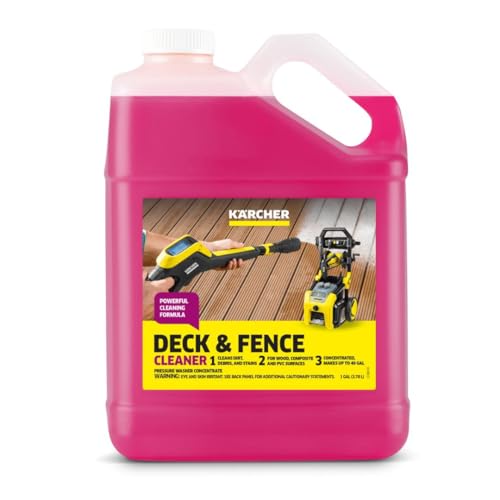
Before You Start
Assess the project area and check for loose boards or protruding nails before cleaning. Protect nearby plants and landscape beds from runoff. Wear eye protection, gloves, and a breathable mask if dust or splashes are likely. Time estimate: 2–6 hours depending on deck size and stain severity. Important: test cleaning products on a small, inconspicuous area first to confirm colorfastness and avoid stripped finishes.
Step-By-Step: How To Clean Green Off Deck
- Clear the deck of furniture, pots, and debris. Sweep thoroughly to remove loose dirt and leaves that can clog brushes and washwater.
- Mix a deck cleaner according to the product instructions. Use a mildew remover or algae remover concentrate for treating green stains before mechanical cleaning.
- Apply the cleaner evenly over the slate of the deck, focusing on stained boards. Let it dwell for the recommended contact time to loosen growth.
- Scrub with a stiff bristle deck cleaning brush with long handle. Work in small sections, paying attention to heavily stained areas.
- For persistent areas, use a deck scrub brush with adjustable head for outdoor wood to reach nooks and between boards.
- Rinse with a garden hose or a pressure washer set to a low to moderate pressure to prevent gouging or lifting the wood fibers.
- If green staining persists, apply a mildew and algae stain remover for wood deck spray in a targeted manner and re-scrub as needed.
- Rinse again thoroughly to remove all cleaner residue. Allow the deck to air-dry completely before inspecting for remaining stains.
- Inspect boards for weathered spots. If staining persists after cleaning, consider repeating the treatment or applying a deck sealer to protect against future growth.
- Reassemble furniture and plan a regular maintenance schedule to prevent future algae buildup. Regular cleaning plus quick spot-treatments keep decks looking fresh.
- Document the process and note products used for future reference, especially if you have sensitive plants or a pet area near the deck.
- Dispose of any wastewater responsibly, avoiding contamination of storm drains or gardens.
Troubleshooting
| Symptom | Likely Cause | Fix | Prevention |
|---|---|---|---|
| Green streaks remain after cleaning | Insufficient dwell time or uneven scrubbing | Reapply cleaner, let dwell, and scrub thoroughly | Regular maintenance and prompt treatment |
| Wood fibers raised or rough after cleaning | Excessive pressure or harsh cleaner | Use lower pressure and milder products; avoid power washing directly on edges | Test on hidden area first; follow product guidelines |
| Cleaner residue left on surface | Inadequate rinsing | Rinse with ample water and inspect for film | Rinse until water sheets cleanly |
| New growth appears soon after cleaning | Shade and moisture create a favorable environment | Improve drainage, trim nearby plants, and consider mildew-resistant sealant | Annual cleaning cycle and proper sealing |
Common Mistakes
- Using high-pressure washers too close to wood—causes splintering and gouges.
- Skipping a test area to confirm colorfastness and finish compatibility.
- Overrelying on chemical cleaners without mechanical scrubbing for set-in stains.
- Rinsing inadequately, leaving residues that attract new grime.
- Neglecting to seal or protect the deck after cleaning, increasing future mold growth risk.
Tips For Best Results
- Clean on a dry, mild weather day to maximize dwell time without sudden rain.
- Work sections methodically—top to bottom to prevent dirty runoff crossing clean areas.
- Test products on a small area first to confirm no wood discoloration or damage.
- Consider periodic maintenance: a light cleaning every season can prevent heavy buildup.
- Combine a stiff-bristle brush with a long handle for easier reach and better leverage.
Call A Professional
Seek professional help if the deck shows structural damage, extensive deep staining, soft boards, or suspected mold growth that may require remediation beyond cleaning. Stop and contact a pro if:
- There are soft, spongy areas indicating rot or structural weakness.
- Stains resist standard cleaners despite repeated treatments.
- You notice persistent mold growth or musty odors after cleaning attempts.
FAQ
Can I use a regular household bleach to remove green stains?
Bleach can help algae and mildew but may discolor wood and harm nearby plants. Use products labeled for wood decks and follow safety guidelines.
How often should I clean my wood deck to prevent green staining?
For shaded or damp areas, a quarterly clean combined with seasonal spot treatments is common, with a full cleaning at least once per year.
Is it okay to power wash a new deck?
Power washing a new deck should be approached with caution; use low pressure and keep the nozzle moving to avoid damage.
What finishes or sealants work best after cleaning?
Choose a deck sealer or stain compatible with your wood type and climate, and follow the manufacturer’s reapplication intervals.
Buying Guide
Choosing the right tools and cleaners for a green-off-deck project requires balancing effectiveness, safety, and ease of use. Consider these factors to select the best setup for American homes:
Size and Coverage
Deck size determines the amount of cleaner and time required. For large decks, a deck cleaning pressure washer 2000 PSI for wooden decks can speed up cleaning, but ensure it has adjustable settings to prevent damage.
Cleaning Power vs Wood Safety
Higher PSI can remove stubborn algae, but it risks gouging wood. Look for models with adjustable pressure and a surface-cleaning nozzle option to protect boards.
Specialized Cleaners
Choose a wood deck cleaner algae remover concentrate for pre-treatment and a mildew and algae stain remover for wood deck spray for stubborn spots. Always follow label instructions and test on hidden areas.
Brushes and Applicators
A stiff bristle deck cleaning brush with long handle and a deck scrub brush with adjustable head for outdoor wood provide reach and leverage for tough areas and between boards.
Range, Noise, And Maintenance
Look for low to moderate noise operation and easy maintenance. A compact setup is ideal for smaller yards, while a robust system suits larger properties.
Placement And Storage
Store cleaners away from direct sunlight and heat. Keep hoses neatly wound and brushes dry to prevent mold. Consider a dedicated storage spot near the cleaning area for convenience.