Maintaining a pristine saltwater pool involves balancing chemistry, filtering effectively, and keeping surfaces free of algae and debris. This guide provides practical steps, using common tools and products tailored for American residential pools. By following these steps, pool owners can enjoy consistent clarity and a comfortable swimming environment.
Quick Answer
Regularly test and adjust the pH and chlorine levels, skim and vacuum weekly, and clean the saltwater chlorine generator (S marvel) as recommended by the manufacturer. Use a saltwater pool test strips kit to monitor chemistry, and keep a dedicated cleaning kit handy for routine maintenance.
What You’ll Need
- Saltwater pool test strips
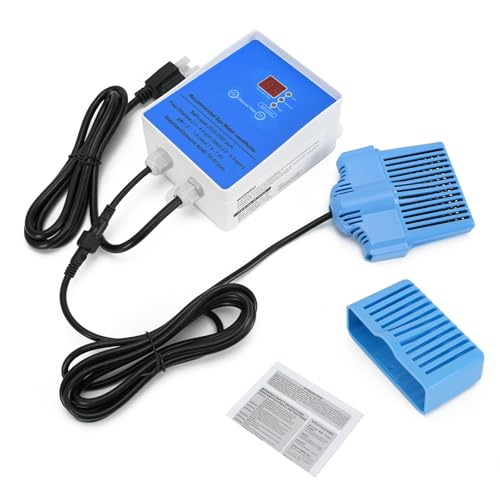
- Saltwater chlorine generator cleaning kit
- In-ground saltwater pool skimmer net
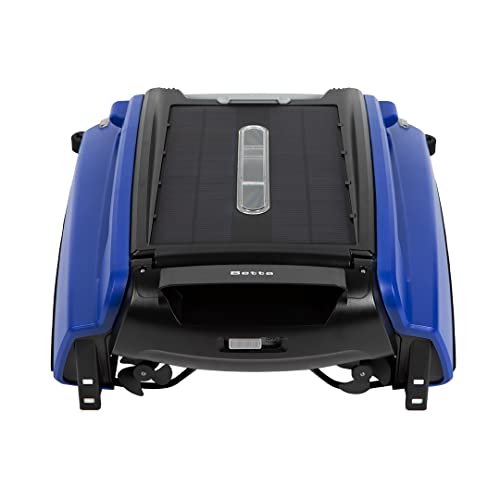
- Automatic pool cleaner for saltwater pools
- Phosphate remover for saltwater pool

Before You Start
Before any maintenance, turn off the pool pump if advised by the equipment manual to avoid debris flying during cleaning. Gather tools, inspect the saltwater chlorine generator for corrosion, and ensure the pool area is free of tripping hazards. Time estimates vary by pool size, but a routine wipe-down and test may take 30–60 minutes per session. Safety cautions include wearing eye protection when handling chemicals and never mixing cleaners with the chlorine system unless the product instructions authorize it.
Step-By-Step: How To Clean A Saltwater Pool
- Test water chemistry using saltwater pool test strips to check pH, total alkalinity, calcium hardness, and chlorine levels.
- Adjust pH and alkalinity per the test results; aim for a pH around 7.4–7.6 and proper total alkalinity to stabilize chlorine efficiency.
- Clean the saltwater chlorine generator by following the manufacturer’s cleaning kit instructions to remove mineral buildup and maintain output.
- Using a skimmer net, remove surface debris and larger leaves to improve circulation and reduce strain on the filter.
- Inspect and clean the filter system; backwash or rinse according to the filter type (sand, cartridge, or DE) to maintain optimal flow.
- Run the automatic pool cleaner for the recommended cycle length to cover all areas, including corners and steps.
- If phosphates are elevated, apply the phosphate remover for saltwater pool as directed and re-test chemistry after treatment.
- Vacuum the pool floor to remove settled debris and brush walls to prevent algae growth and keep surfaces smooth.
- Re-test water chemistry and re-balance as needed after cleaning and filtration cycles.
- Document routine maintenance tasks and schedule upcoming tests to maintain a stable, comfortable swimming environment.
- Store all chemicals securely and away from children and pets when not in use.
Troubleshooting
| Symptom | Likely Cause | Fix | Prevention |
|---|---|---|---|
| Cloudy water | High total dissolved solids or inadequate filtration | Backwash/clean filter; run pump longer | Regular monitoring; consistent filtration schedule |
| Foamy water | Balanced polymers or organics | Check chemical balance; add clarifier if needed | Limit organics and keep skimming |
| Persistent algae | Low sanitizer levels or poor circulation | Boost chlorine output with generator; clean surfaces | Regular brushing and cleaner cycles |
| Scale or calcium spots | High calcium hardness or low pH | Adjust calcium and pH; consider a scale remover | Test and balance weekly |
| Phosphate spike | Phosphates entering water | Apply phosphate remover; re-test | Use a phosphate remover as part of routine |
Common Mistakes
- Skipping regular test strips and relying on visual cues alone
- Overlooking hidden debris in the pool’s corners and under steps
- Under- or over-shooting pH and alkalinity targets
- Neglecting routine cleaning of the saltwater chlorine generator
- Using incompatible cleaners with salt systems
Tips For Best Results
- Test water at least twice weekly during peak season and after heavy rainfall or heavy use.
- Keep a consistent cleaning routine for the skimmer basket, pump strainer, and surfaces.
- Choose a saltwater pool cleaner designed for in-ground saltwater systems to maximize compatibility.
- Seal and inspect all hoses and connectors for leaks to maintain system efficiency.
- Schedule professional service if generator output or cell performance declines significantly.
Call A Professional
Consider a professional if any of the following occur: persistent cloudy water despite balancing, unusual odors, persistent algae that resists brushing, or repeated failures in the saltwater chlorine generator. Also seek help if you notice significant leaks, electrical concerns, or if the pool’s equipment shows signs of wear beyond routine maintenance.
FAQ
How often should I test saltwater pool water?
Test at least twice weekly during the swimming season, or more often if the pool gets heavy use or experiences weather changes.
What should I do if the pH is too high?
Use pH reducers as directed, then re-test and adjust alkalinity as needed to maintain stable pH levels.
Can I use a phosphate remover with a saltwater pool?
Yes, but follow the product instructions and re-test water afterward to ensure balance.
Is a professional needed for saltwater pool maintenance?
Not always, but consult a pro if the system shows persistent issues, complex chemical imbalances, or equipment concerns.
Buying Guide
When selecting equipment and supplies for a saltwater pool, consider several factors to optimize performance and ease of maintenance.
- Size and compatibility: Choose test strips, cleaners, and cleaning kits that suit your pool size and the specific saltwater system you own.
- Noise level: If equipment sits near living spaces, check pump and cleaner noise ratings to minimize disruption.
- Energy efficiency: A well-matched saltwater chlorine generator reduces energy use while maintaining sanitizer output.
- Controls and automation: Look for clear digital displays or mobile app compatibility for monitoring chemistry and schedule cleaning cycles.
- Placement and accessibility: Store chemicals safely away from direct sun and ensure easy access to maintenance tools like test strips and nets.
- Cost of consumables: Consider ongoing costs for test strips, phosphate removers, and cleaner cartridges when budgeting.
With the right setup, maintaining a saltwater pool becomes more predictable and less labor-intensive. Are you ready to streamline your routine with a tailored kit that matches your pool’s size, usage, and climate?