Upholstery stains and odors from pet urine require a careful approach to prevent set-in stains and lingering smells. This guide provides practical, step-by-step instructions using common cleaning tools and enzyme-based cleaners to restore fabric freshness and minimize damage to furniture.
With the right supplies and technique, most urine incidents can be removed effectively, reducing the risk of residual odor that might attract pets back to the same spot.
Quick Answer
Act quickly to blot excess urine, choose an enzymatic cleaner designed for pet urine, and follow product directions. For persistent odors, repeat treatment and consider additional extraction steps to reach deeper fibers.
What You’ll Need
- Enzyme cleaner for pet urine upholstery spray 32 oz
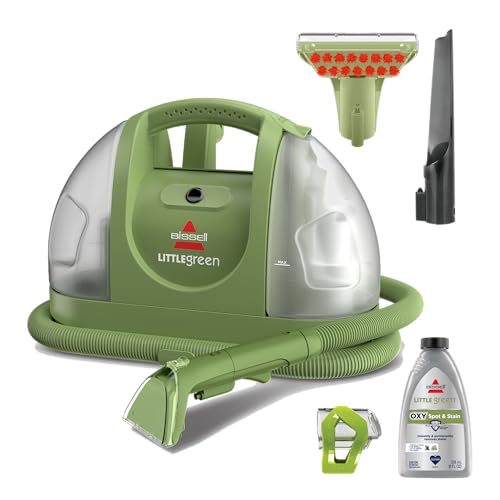
- Upholstery stain remover for pet urine handheld carpet cleaner
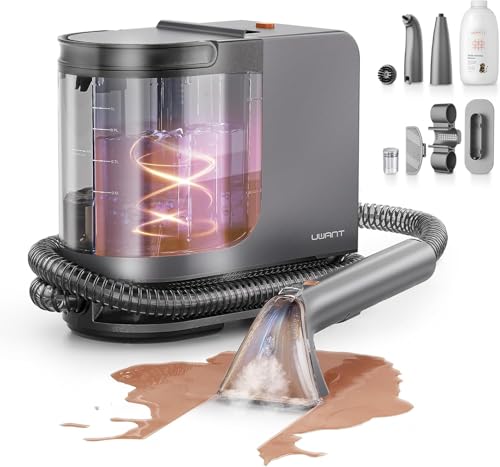
- Portable upholstery steam cleaner for urine removal
- Pet urine odor eliminator spray for furniture upholstery 24 oz
- Handheld carpet extractor machine for upholstery urine

Before You Start
Before treating upholstery, test each product on an inconspicuous area to check for colorfastness and fabric compatibility. Work in a well-ventilated area and wear gloves to protect skin from cleaners. If the soiled area is large or delicate, consider professional cleaning to avoid water damage or shrinkage. Time estimates vary by fabric type, but plan for 20–60 minutes for the initial treatment and another 24–48 hours for complete drying. Never mix cleaners, as this can create toxic fumes or damage the fabric.
Step-By-Step: How To Clean Urine From Upholstery
- Contain the spill area to prevent it from spreading to other parts of the furniture.
- Blot the urine with a clean towel or paper towels to absorb as much liquid as possible without rubbing.
- Apply an enzyme cleaner for pet urine upholstery spray 32 oz according to the label, saturating the stained area to reach the fibers below the surface.
- Let the enzyme sit for the recommended contact time to break down urine proteins; this step is critical for odor elimination.
- Use the handheld upholstery stain remover or portable upholstery steam cleaner to extract residual moisture and cleaner from the fabric, following device instructions.
- Rinse lightly with clean water if the product label allows, then blot again to remove as much moisture as possible.
- Spray a pet urine odor eliminator spray for furniture upholstery 24 oz around the treated area to neutralize remaining odors.
- Allow the fabric to air-dry completely. Increase airflow with a fan or dehumidifier if necessary to speed up drying and prevent mildew.
- Consider repeating the enzyme treatment for persistent stains or odors, especially on dense fabrics or microfiber.
- Once dry, check for any remaining odor. If necessary, repeat cleaning steps or move to a deeper extraction method with a handheld extractor.
- Replace cushions or position furniture to ensure even drying and avoid lingering moisture under cushions.
- Finish with a light, fabric-safe deodorizer if desired, ensuring it is compatible with the upholstery material.
Troubleshooting
| Symptom | Likely Cause | Fix | Prevention |
|---|---|---|---|
| Odor remains after cleaning | Insufficient enzyme exposure or deep-set stain | Reapply enzyme cleaner and extend contact time; repeat extraction | Address spills promptly; use enzyme cleaners regularly in high-traffic areas |
| Fabric darkens after cleaning | Over-wetting or improper drying | Blot excess moisture and ensure thorough drying; use fans or dehumidifier | Test dampness in hidden spots before full cleaning |
| Stain reappears after drying | Incomplete removal of proteins from urine | Apply additional enzyme treatment and extraction steps | Treat promptly to prevent set-in staining |
| Cleaner leaves residue | Using too much product or incompatible cleaner | Follow label guidance precisely; wipe with clean water if allowed | Use recommended amounts and compatible products |
Common Mistakes
- Rubbing urine into fibers, which spreads the stain and embeds it deeper.
- Using ammonia-based cleaners on pet stains, which can attract more urine.
- Skipping the enzyme step, resulting in lingering odors.
- Failing to dry the fabric thoroughly, creating a musty smell or mold risk.
Tips For Best Results
- Act quickly: the sooner you treat, the higher the chance of complete odor removal.
- Choose the right enzyme cleaner formulated for urine on upholstery fabrics.
- Test all cleaners on an inconspicuous spot to prevent color changes or damage.
- Use a fan or dehumidifier to speed up drying and limit secondary odors.
- For persistent odors, repeat treatment rather than switching products mid-cleaning.
Call A Professional
Seek professional help if urine has penetrated into the cushion cores, exposed stuffing, or if the fabric shows persistent odors after multiple cleanings. Also contact a professional if the upholstery is rare, antique, or requires special care, such as leather or suede, to avoid irreversible damage.
FAQ
What is the best cleaner for pet urine on upholstery?
The most effective cleaners are enzymatic cleaners designed to break down urine proteins and neutralize odors on upholstery.
Can I use a steam cleaner for urine on upholstery?
Yes, a portable upholstery steam cleaner can help, but ensure the product is compatible with the fabric and avoid excessive moisture that can damage padding.
How long does it take for upholstery to dry after cleaning?
Drying times vary by fabric and environment, but most upholstery dries within 6–24 hours with good airflow.
Should I use a deodorizer after cleaning?
A fabric-safe odor eliminator can help, but ensure it is compatible with the upholstery material and does not mask but remove odors.
Buying Guide
When choosing products to clean urine from upholstery, consider several factors to ensure effective cleaning and fabric safety:
- Size and coverage: For larger spills, choose a spray bottle with ample volume or a multi-pack option that covers larger areas efficiently.
- Enzyme activity: Enzymatic cleaners should specifically target urine proteins to reduce odors and prevent re-soiling.
- Fabric compatibility: Check stain removers and cleaners for compatibility with common upholstery fabrics such as microfiber, cotton blends, and synthetic fibers.
- Extraction capability: Handheld extractors and portable steam cleaners differ in suction power; select based on fabric type and spill size.
- Odor control: Odor eliminators help neutralize lingering smells, especially in enclosed rooms or homes with pets.
- Drying performance: Tools that support faster evaporation reduce the risk of mold and mildew in cushions.
- Ease of use: Look for products with clear instructions and residue-free formulas to minimize repeat cleaning.
- Storage and accessibility: Choose units that are easy to store and ready for quick cleanup after accidents.
Would you like tailored recommendations based on your upholstery fabric type, room environment, and typical pet behavior? A quick note about your furniture materials can help refine the best cleaning approach and product choices.