Permanent markers can leave stubborn stains on whiteboards, especially when markers bleed through from heavy usage or improper cleaning. This guide explains practical, step-by-step methods using common supplies to restore a clean, erasable surface.
With the right approach, most whiteboards regain their original shine. The strategies below focus on safe, effective techniques suitable for standard office and classroom boards without damaging the surface.
Quick Answer
Best initial method: apply isopropyl alcohol 70% to a microfiber cloth and wipe the stained area, then follow with a dry erase cleaner spray or whiteboard cleaner spray for a final polish. For stubborn stains, repeat with a whiteboard eraser pad and a wipe-down with alcohol-based cleaning wipes.
What You’ll Need
- Isopropyl alcohol 70%
- Whiteboard cleaner spray
- Dry erase cleaner spray for whiteboards
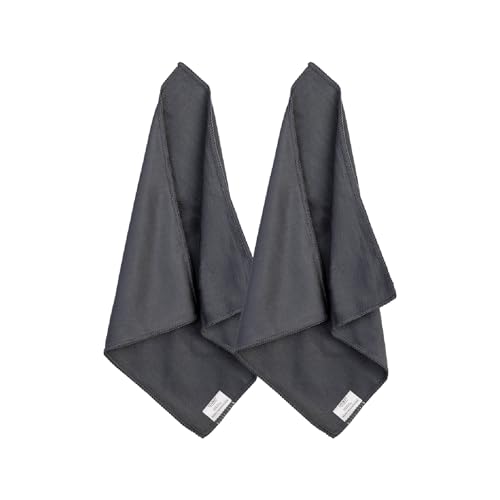
- Microfiber cloth for whiteboard cleaning
- Whiteboard eraser pad for permanent marker
- Whiteboard cleaning wipes alcohol-based


Before You Start
Clear the area and remove nearby materials to prevent spills. Ventilate the room if possible, as alcohol-based products can have a strong odor. Test a small, inconspicuous area first to ensure the cleaner does not damage the board’s surface. Time estimates: 5–15 minutes for a typical clean, longer for heavy staining.
Step-By-Step: How To Remove Permanent Marker From A Whiteboard
- Shake or lightly spray a small amount of isopropyl alcohol 70% onto a microfiber cloth.
- Wipe the stained area in smooth, circular motions to lift the ink.
- Use a dry erase cleaner spray on a fresh section of the cloth and buff the surface to remove residues.
- If ink persists, apply a bit more alcohol and rub with a whiteboard eraser pad in short, controlled strokes.
- Wipe away loosened ink with a clean microfiber cloth, then rinse with a light mist of cleaner spray.
- Finish with whiteboard cleaning wipes alcohol-based to remove any remaining residue and dry the surface.
- Inspect the area under good lighting; if any ghosting remains, repeat steps 3–6 until the surface looks clear.
- Optionally apply a final thin coat of cleaner spray and wipe dry to restore a gleaming finish.
Troubleshooting
| Symptom | Likely Cause | Fix | Prevention |
|---|---|---|---|
| Stain remains after alcohol | Ink absorbed deeply into surface | Repeat with eraser pad and alcohol; consider a dedicated whiteboard cleaner | Test cleaner on small area first; clean routinely |
| Ghosting after cleaning | Residual ink or coating buildup | Wipe with cleaner spray and dry completely, then buff with microfiber cloth | Clean regularly to prevent buildup |
| Smearing during erasing | Dry or worn-out surface | Use a fresh eraser pad and a light cleaning with alcohol-based wipes | Replace eraser pads as needed |
| Board surface feels tacky | Over-application of cleaner | Wipe with a damp microfiber cloth (water) and dry thoroughly | Use sparing amounts of cleaner per session |
Common Mistakes
- Using abrasive cleaners that scratch the board surface
- Over-wetting the board, causing cleaner to seep into edges
- Rubbing too aggressively, which can remove protective coatings
- Relying on a single method for all stains instead of layering approaches
Tips For Best Results
- Work in small sections to avoid drying cleaner too quickly on the surface
- Maintain a routine cleaning schedule to minimize ghosting
- Pair alcohol-based products with a clean microfiber cloth for most effective results
- Keep a spare whiteboard eraser pad handy for quick spot cleaning
- Rotate cleaners to prevent residue buildup on high-use boards
Call A Professional
Consider professional help if:
- The board is heavily stained across large areas and cleaning attempts fail
- Surface appears permanently damaged or peeling after repeated cleaning
- Board is part of a high-stakes environment where flawless writing surfaces are critical
FAQ
Can I use isopropyl alcohol on all whiteboards?
Most dry-erase boards tolerate isopropyl alcohol, but check the manufacturer’s guidance for specialty or painted boards.
Is it safe to mix cleaners?
Avoid mixing cleaners; use one product at a time and follow with a clean, dry cloth.
What if the marker stain won’t go away?
Repeat the alcohol-based cleaning steps or switch to a dedicated whiteboard cleaner spray designed for stubborn marks.
How often should I clean a whiteboard?
Clean weekly for high-use boards and after any heavy marker use to prevent ghosting.
Are there eco-friendly options?
Look for alcohol-based wipes or sprays labeled as low-VOC or environmentally friendly, and reuse microfiber cloths when possible.
Buying Guide
When choosing products for maintaining a whiteboard, consider the following factors:
- Size and coverage: Ensure cleaners and wipes are suitable for the board dimensions and frequent usage areas.
- Noise level: Cleaning tools themselves are quiet, but assistive products like eraser pads should not require loud scrubbing.
- Energy efficiency: Not directly applicable to cleaners; choose efficient, concentrated formulas that reduce waste and frequency of purchases.
- Controls and packaging: Look for spray bottles with controlled nozzles to minimize waste and spills.
- Placement: Store cleaners away from heat sources and out of reach of children, near the whiteboard for quick access.
Comparing products across these factors helps ensure reliability and cost-effective maintenance. For routine cleaning, a combination of isopropyl alcohol, a whiteboard cleaner spray, and microfiber cloths typically offers the most practical results. If the board experiences frequent staining, consider pairing alcohol-based methods with dedicated wipes designed for whiteboards to streamline maintenance.