Frozen shrimp can retain a fishy flavor if not thawed and prepared correctly. This guide provides practical, step-by-step methods tailored for American kitchens to reduce or neutralize that taste while preserving shrimp texture and safety.
By following tested techniques and using common kitchen tools, home cooks can improve the flavor profile of frozen shrimp and enjoy a fresher seafood experience.
Quick Answer
Thaw shrimp in a saltwater or lemon-water bath, peel and rinse thoroughly, remove the vein, brine briefly in a food-grade brining bag, and finish with a quick soak in fresh water or a light acid rinse. A short pat dry and proper cooking will minimize fishy notes.
What You’ll Need
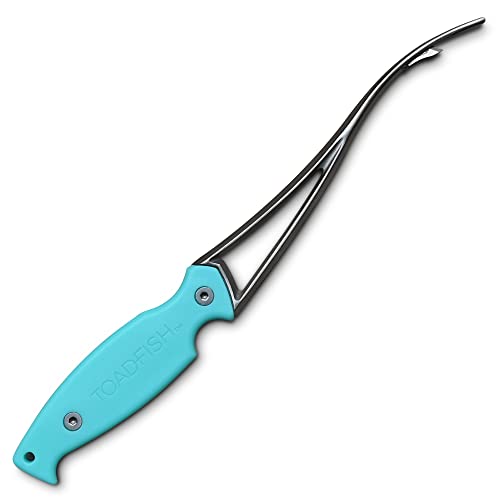
- Shrimp deveiner stainless steel tool
- Shrimp cleaning brush tool
- Shrimp peeling tool stainless steel
- Food grade shrimp brining bag
- Shrimp processing knife set


Before You Start
Plan for a 20–40 minute prep window depending on quantity. Keep seafood handling clean and cold, and avoid cross-contamination with ready-to-eat foods. Thaw shrimp in the refrigerator for safer, slower thawing, or use a cold-water bath if time is tight. Inspect for off odors before cooking; discard any shrimp that smell strongly fishy or have an unusual slime.
Step-By-Step: How To Get Rid Of Fishy Taste In Frozen Shrimp
- Place frozen shrimp in the refrigerator to thaw slowly overnight, or submerge in cold water for 30–40 minutes, changing the water halfway.
- Once thawed, peel if desired using the shrimp peeling tool stainless steel and remove the shells for better flavor absorption.
- Use the shrimp deveiner stainless steel tool to remove the dark vein along the back; this often carries the strongest fishy flavor.
- Rinse shrimp under cold running water, then pat dry with paper towels to remove surface moisture.
- Prepare a quick brine in the food grade shrimp brining bag with a small amount of salt and a touch of acid (lemon juice or vinegar). Soak shrimp for 10–15 minutes; this helps neutralize odors and firms the flesh.
- Rinse the shrimp again to remove excess salt and brine remnants; pat dry thoroughly.
- Optional: give a light rinse with fresh water or a brief soak in a mild acidic solution (water with a splash of lemon) and drain well before cooking.
- Cook shrimp using your preferred method (sauté, grill, or boil) until just opaque. Avoid overcooking, which can intensify off flavors.
- Finish with a squeeze of fresh lemon or a drizzle of olive oil and a pinch of salt to brighten the flavor.
- Store any leftovers promptly in a clean container, refrigerated, or freeze properly to prevent flavor deterioration.
Troubleshooting
| Symptom | Likely Cause | Fix | Prevention |
|---|---|---|---|
| Persistent fishy odor after cooking | Incomplete removal of the vein or improper thawing | Re-wash, re-brine briefly, and re-cook with fresh citrus | Thaw slowly in fridge; remove vein thoroughly |
| Off taste even after brining | Old or low-quality shrimp; improper storage | Discard questionable shrimp; buy fresh or properly stored | Buy and store at safe temperatures; use soon after thaw |
| Rubbery texture | Overcooking or rapid brine exposure | Cook to proper internal temperature; reduce brine time | Monitor cook times; pat dry before cooking |
| Leathery skin after thaw | Excess moisture | Pat dry thoroughly; avoid soaking too long in water | Dry thoroughly before cooking |
Common Mistakes
- Thawing shrimp at room temperature, which promotes bacteria growth and odors.
- Leaving the vein in and skipping thorough rinsing after brining.
- Over-brining or soaking too long, which can alter texture and flavor balance.
- Cooking shrimp in high heat without monitoring time, leading to tough texture.
Tips For Best Results
- Choose shrimp that smell clean and have a faint ocean scent; avoid strong fishy odors at purchase.
- Maintain cold handling throughout prep to preserve texture and safety.
- Use fresh lemon juice or zest in the final seasoning to counteract any lingering off-notes.
- For larger batches, work in small portions to ensure even brining and thorough drying.
- Swap water-based rinses for a quick burst of warm water at the end of cleaning to boost aroma without cooking the shrimp.
Call A Professional
Seek professional assistance if shrimp display strong, persistent off-odors despite cleaning, if there is visible spoilage such as sliminess, or if there is any doubt about safety. If seafood handling is unfamiliar or if symptoms of foodborne illness appear after consumption, contact a healthcare professional and avoid consuming the product.
FAQ
Can freezing affect shrimp flavor?
Yes, improper freezing or thawing can lead to freezer burn and off flavors. Proper packaging and slow thawing help preserve freshness.
Is brining necessary to reduce fishy taste?
Brining can help neutralize odors and improve texture, but it is not mandatory. Thawing and vein removal are often the most impactful steps.
What substitutes can replace lemon in the process?
Lime juice or a mild vinegar solution can also help balance flavors without overpowering the shrimp.
How long should shrimp be cooked after these steps?
Cook until opaque and just firm, typically 2–4 minutes depending on size and cooking method.
Will removing the vein affect taste?
Removing the dark vein reduces bitter notes and improves overall flavor and texture.
Can I freeze shrimp after brining?
Brining can be followed by quick chilling, but freezing brined shrimp is not necessary and may alter texture; use fresh brined shrimp promptly.
Buying Guide
When selecting tools and methods to reduce fishy flavor in frozen shrimp, consider size, material, and ease of use. A compact set of stainless steel tools designed for seafood handling can streamline prep and improve results in a home kitchen.
- <strongSize and fit: Choose tools that are comfortable to hold and appropriate for the shrimp size you typically buy. A compact deveiner and peeling tool are ideal for everyday use.
- <strongNoise level: Hand tools operate quietly; no heavy machinery is required for safe, efficient prep.
- <strongEnergy efficiency: Manual tools require no power; brining and quick rinses are energy-efficient steps.
- <strongControls: Look for ergonomic handles and easy-to-clean designs to reduce cross-contamination risk.
- <strongPlacement: Store tools near the seafood prep area for quick access during thawing and cleaning.
Also consider the durability of the shrimp processing knife set for clean cuts and precise vein removal, and the shrimp cleaning brush tool to remove any stubborn shell fragments. A food grade shrimp brining bag helps ensure consistent brining without leaks. With the right tools, getting rid of fishy flavors becomes a straightforward, repeatable process for frozen shrimp.