Toilet ring stains are a common bathroom challenge. With the right cleaning routine and tools, mineral buildup and hard water rings can be effectively removed, restoring a clean, white bowl. This guide outlines a practical method using safe products and common supplies to keep toilets sparkling.
The following steps emphasize gentle scrubbing, appropriate abrasives, and proper rinse techniques to prevent future staining while protecting toilet surfaces and seals.
Quick Answer
Target mineral buildup with a pumice-based approach, then finish with a brush and disposable cleaning head for ongoing maintenance. Use gentle, circular motions to avoid scratching glaze. For stubborn rings, repeat treatments and consider a specialized toilet cleaning tool set.
What You’ll Need
- Pumice stone toilet bowl for mineral buildup removal
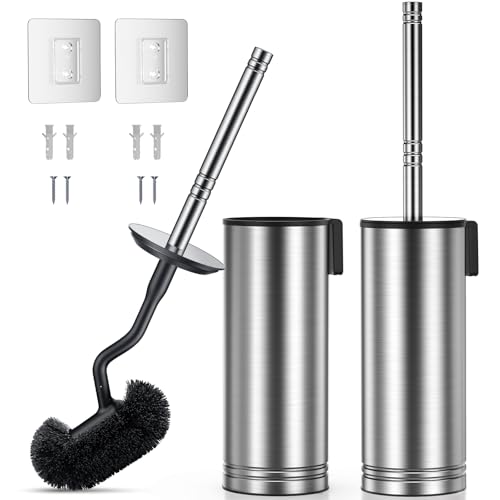
- Stainless steel toilet bowl brush with curved head
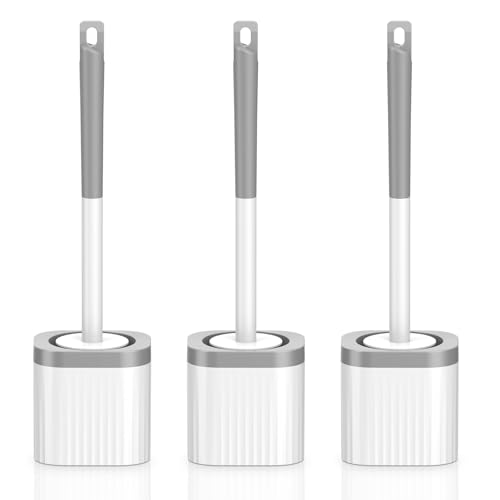
- Toilet cleaning wand with disposable heads
- Nylon bristle toilet bowl brush with scraper
- Toilet bowl cleaning kit with pumice stone and brush

Before You Start
Before cleaning, ensure the bathroom is well-ventilated. Put on gloves to protect skin, and keep a towel or tray nearby to catch splashes. Empty the toilet bowl if possible and flush to remove loose debris. For safety, avoid harsh metal scrapers on porcelain glaze as they can cause micro scratches that trap stains over time.
Timing varies by stain severity. Plan for 15–30 minutes for initial treatment, with a follow-up session if rings persist. If you notice cracks, chips, or leaking seals, stop and seek professional help.
Step-By-Step: How To Remove Toilet Ring Stains
- Don gloves and flush to lower the water level, then add a small amount of toilet cleaner around the ring.
- Moisten the pumice stone toilet bowl for mineral buildup removal with water; never dry rub dry surfaces.
- Gently apply the pumice stone in small, circular motions directly on the ring until the stain loosens.
- Rinse and inspect. If mineral buildup remains, re-wet the stone and repeat once more on the affected area.
- Use the nylon bristle toilet bowl brush with scraper or stainless steel toilet bowl brush with curved head to scrub the softened zone, focusing on crevices where buildup hides.
- For ongoing maintenance, run the toilet cleaning wand with disposable heads after each flush to prevent future rings.
- Rinse thoroughly by flushing several times. Check for any residual stains and repeat only on resisted spots.
- Dry the rim and interior with a clean cloth to remove immediate moisture and reduce spotting.
- Return the water level to normal and perform a final flush to ensure no chemical residue remains.
- Store tools dry and upright in a ventilated area to prevent mold or mildew growth.
- Disinfect the tools after use, especially disposable heads, to maintain hygiene for future cleanings.
- If stains persist after multiple attempts, switch to a dedicated cleaning kit and consult product instructions for best results.
Troubleshooting
| Symptom | Likely Cause | Fix | Prevention |
|---|---|---|---|
| Stains return quickly | Hard water minerals re-deposit | Regular wipe-down with pumice kit; weekly maintenance | Use a protective weekly cleaner |
| Surface scratches appear | Rough scrubbing or improper stone use | Switch to gentle circular motions; ensure stone is wet | Limit pumice use to stained areas |
| Discoloration around the rim | Chemical residue or mold | Thorough rinse and use a disinfection routine | Ventilate bathroom; dry surfaces after cleaning |
| Ring only in certain sections | Localized mineral buildup | Target treatment on rings; repeat if needed | Prevent with regular cleaning |
Common Mistakes
-
Using the pumice stone aggressively on the glaze, causing micro-scratches that trap stains.
-
Using metal scrubbers that can scratch porcelain.
-
Overlooking regular maintenance, which allows rings to reappear quickly.
-
Discarding disposable heads improperly or mixing cleaners in ways that create fumes.
Tips For Best Results
- Keep mineral-rich water in mind—hard water accelerates ring formation; use preventative cleaners after thorough cleaning.
- Always keep the pumice stone wet to reduce abrasion and improve glide across the surface.
- Rotate tools—use a different brush or wand head to avoid cross-contamination and manage wear on bristles.
- Rinse and dry—residual moisture promotes mineral deposits; drying helps maintain a pristine bowl longer.
- Test in a small area—especially on older toilets to confirm glaze compatibility before large-scale use.
Call A Professional
Consider a professional plumber if you notice persistent staining after multiple treatments or if the toilet’s glaze appears crazed, the ring is accompanied by leaks, or there are efflorescent mineral deposits around seals. Stop cleaning attempts that require aggressive scraping if there is any suspicion of structural damage.
FAQ
Can pumice stone damage toilet glaze?
Used correctly on affected areas, a wet pumice stone should not damage glaze, but excessive or dry scrubbing can cause micro-scratches.
How often should I clean toilet rings to prevent buildup?
Light maintenance weekly and a deeper clean monthly can help prevent mineral rings from forming.
Are disposable heads safe for my toilet?
Yes, disposable heads are designed for toilet cleaning, reducing cross-contamination when used properly.
What should I do if rings keep returning despite cleaning?
Consider water conditioning solutions or a professional assessment for mineral content and seal integrity.
Buying Guide
When choosing tools to remove toilet ring stains, consider size, weight, and ease of use. Look for a pumice stone designed for toilet use, with a comfortable grip and safe abrasiveness. A curved-head toilet bowl brush can reach under rims and hard-to-reach areas, while a cleaning wand with disposable heads minimizes direct contact. A complete toilet bowl cleaning kit with pumice and brush can simplify routine maintenance and replacement parts. For homes with hard water, pairing these tools with a mineral-removing cleaner helps prevent future stains.