Pen ink on fabrics can be frustrating, but it’s a common stain that many households can tackle with the right approach. The key is to act promptly and choose stain-fighting products that are safe for the fabric you’re treating. This guide explains practical steps using common stain removers to restore clothing back to wearable condition.
The following sections cover a quick-action overview, tools, precautions, step-by-step instructions, troubleshooting tips, and when to seek professional help. By following these methods, most ink marks from ballpoint pens and similar inks can be successfully lifted from cotton and other fabrics.
Quick Answer
Blot gently to remove excess ink, apply a suitable stain remover, launder as directed, and air-dry. If the stain remains, repeat with a different remover or use an enzymatic or oxygen-based formula. Avoid heat until the stain is fully gone to prevent setting.
What You’ll Need
The following tools and products are commonly effective for ink on fabrics. Choose one or combine methods based on fabric type and ink intensity.
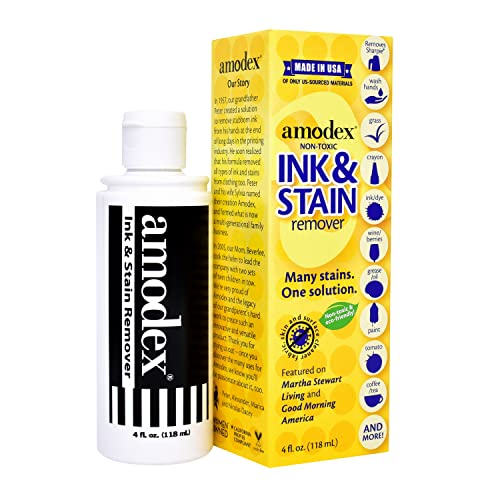
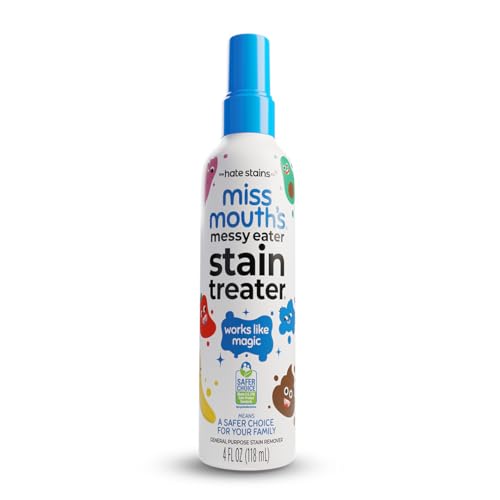
- ink stain remover spray for fabrics clothes
- fabric stain remover gel for ballpoint ink on clothing
- prewash stain treatment spray for ink on cotton
- oxygen-based stain remover powder for ink on clothes
- enzyme laundry stain remover pen for ink marks on fabrics
Before You Start
Check fabric care labels to confirm acceptable stain-removal methods. Do not rub aggressively; blot gently to lift ink. Test any product on a hidden area first to ensure colorfastness. Time estimates vary by fabric and ink, but most initial treatments take 5–15 minutes, with waiting periods of 5–30 minutes before washing. Important cautions: avoid hot water and heat-setting dryers until the stain is fully removed, as heat can set ink irreversibly.
Step-By-Step: How To Remove Pen Ink From Clothes
- Blot excess ink with a clean cloth or paper towel without rubbing, to prevent spreading.
- Apply a compatible stain remover; choose the spray for fabrics or the gel for targeted spots.
- Let the product dwell as directed on the label, usually 5–15 minutes for sprays and gels.
- Gently blot again, then rinse with cold water from the back of the stain to push ink out.
- Wash the garment in the washing machine on the recommended cycle and water temperature for the fabric.
- Check the stain before drying. If any color remains, repeat treatment or switch to an oxygen-based or enzyme-based remover.
- Air dry the item, avoiding the dryer until you are sure the stain is gone.
- For persistent ink, apply a second treatment or consider spot treating with a different active enzyme or oxidizing formula.
Troubleshooting
| Symptom | Likely Cause | Fix | Prevention |
|---|---|---|---|
| Ink returns after washing | Ink penetrated deeply or heat-set | Re-treat with oxygen-based or enzyme remover and rewash | Avoid heat until stain is gone |
| Stain remains after first treatment | Stain type or fabric sensitivity | Try a different remover (e.g., gel to spray, enzyme to oxygen) | Test on hidden area first |
| Color transfer to other fabrics | Ink loosened and spread | Rinse thoroughly and isolate treated item during washing | Prompt blotting and cold-water rinse |
| Fabric damage or fading | Harsh chemical on delicate fabric | Switch to milder, fabric-safe remover; consult care label | Always perform a spot test |
Common Mistakes
- Using hot water or a dryer before stain removal is complete, which sets the ink.
- Rubbing the stained area, which can push ink deeper into fibers.
- Choosing a remover not suited to the fabric type or ink chemistry.
- Ignoring care labels and washing instructions for delicate fabrics.
For best results, follow product directions closely and consider coordinating multiple products if stains are stubborn.
Tips For Best Results
- Always test stain removers on a hidden fabric area first to avoid color loss.
- Work from the outside of the stain toward the center to prevent spreading.
- Cold water generally helps lift ink; hot water can set certain inks.
- Air-dry after treatment rather than using a dryer until the stain is fully removed.
- Label laundry items that require special handling to ensure proper future care.
Call A Professional
Seek professional cleaning if the garment is expensive, vintage, or made of delicate materials such as silk, wool, or leather, especially when repeated treatments fail. If the stain covers a large area or involves unusual or persistent inks, a professional may prevent permanent damage.
FAQ
Can I remove ballpoint ink from all fabrics?
Most cotton, polyester blends, and many linens respond well to stain removers, but some delicate fabrics require professional care or mild methods.
Is heat ever safe to use on an ink stain?
Heat can set some inks; generally, avoid heat until the stain is resolved.
Why did the stain reappear after drying?
Ink may have penetrated fibers deeply; re-treat and rewash, and avoid heat until fully removed.
Which remover should I use first?
Start with a spray or gel designed for ink on fabrics, then switch to an oxygen-based or enzymatic remover if needed.
How many times can I repeat a treatment?
Repeat as necessary, but discontinue if fabric shows damage or color loss.
Is there a quicker method for fresh stains?
Yes, blot and treat promptly with a targeted stain remover before washing for best chances.
What if the stain is on a delicate garment?
Consult the care label and consider professional cleaning for delicate fabrics or uncertain inks.
Buying Guide
When selecting stain removers for ink on clothing, consider size, the ink type, fabric compatibility, and the washing conditions in your home. Size matters for households with frequent stains, while enzyme-based formulas work well on protein-based inks and organic stains. Look for products labeled safe for cotton and other common fabrics, and verify that they are compatible with colorfast fabrics to prevent fading. For households with mixed fabrics, a versatile set that includes sprays, gels, and powders provides flexibility. Noise, odor, and residue are practical considerations for consumer satisfaction and washing machine compatibility.