Sunrooms often use plastic windows to maximize light and provide a lightweight, energy-efficient barrier. Over time, dust, pollen, and fingerprints can dull the clarity of these panes. This guide outlines a practical, step-by-step approach to cleaning plastic sunroom windows safely and effectively, using common household tools and specifically chosen cleaners that protect polycarbonate and acrylic surfaces.
Whether you’re tidying a seasonal sunspace or maintaining daily comfort, a clean window helps preserve visibility and light in your sunroom. The methods below focus on gentle, non-abrasive cleaning that minimizes scratches and clouding, while removing stubborn grime without leaving streaks.
Quick Answer
Best routine: Start with dry dusting, then wash with a non-abrasive cleaner, rinse, and finish with a rubber-blade squeegee to prevent streaks. Use an extendable window cleaning pole for hard-to-reach panels and finish with a microfiber cloth for a pristine shine.
What You’ll Need
- Sunroom plastic window cleaner spray
- Extendable window cleaning pole for plastic windows
- Microfiber cleaning cloth for plastic windows
- Non-abrasive cleaner for polycarbonate windows
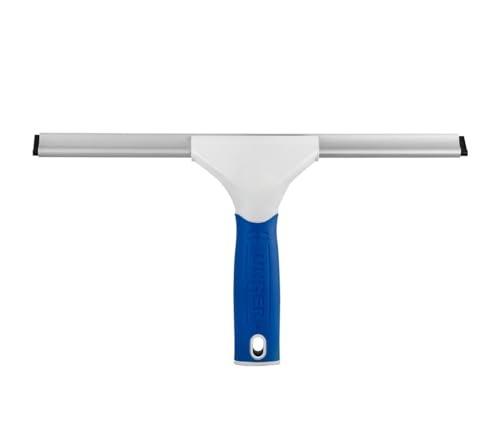
- Rubber-blade squeegee for plastic window cleaning


Before You Start
Clear furniture and floor space around the sunroom windows. Close doors to other rooms and remove screens if applicable. Work during mild weather to prevent rapid drying that can cause streaks. Wear eye protection and gloves if cleaning agents irritate skin or eyes. Test cleaners on a small, inconspicuous area first to ensure there is no surface discoloration or crazing.
Estimated time: 45–90 minutes, depending on window count and accessibility. For high walls or skylights, consider extra time and a partner to assist with safety.
Step-By-Step: How To Clean Plastic Windows In A Sunroom
- Bring the extendable pole close and attach a clean microfiber cloth to the end, or use the microfibre cloth directly for wiping after washing.
- Dust the surface with a dry microfiber cloth or soft brush to remove loose grit that could scratch plastic during washing.
- Apply a light mist of sunroom plastic window cleaner spray to the panel or to the microfiber cloth, avoiding leather or fabric surfaces that could transfer oils.
- Wipe in a systematic pattern from top to bottom, using gentle, even strokes to lift dirt without scratching the surface.
- For stubborn spots, apply a small amount of non-abrasive cleaner for polycarbonate windows to a clean cloth and gently rub, then wipe away with a fresh cloth.
- Rinse the surface with a clean damp cloth or a water-only wipe to remove any cleaner residue.
- Using the rubber-blade squeegee for plastic window cleaning, pull from the top to bottom in straight, overlapping strokes to remove moisture and prevent streaks.
- Inspect for streaks; if any remain, buff dry with a clean microfiber cloth using circular motions to restore clarity.
- Move to the next panel and repeat the process, paying attention to corners and edges where grime can accumulate.
- Reattach any screens and return furniture to its place once all panels are dry and clear.
- Clean up tools and store them properly to extend their life for future maintenance.
Troubleshooting
| Symptom | Likely Cause | Fix | Prevention |
|---|---|---|---|
| Streaks after cleaning | Residue left behind | Rinse and dry with a lint-free microfiber cloth | Use minimal cleaner and a steady top-to-bottom technique |
| Cloudiness or hazing | Harsh cleaner or abrasive contact | Switch to non-abrasive cleaner for polycarbonate and softer cloth | Avoid rough scrubbing pads |
| Scratches appearing | Rough cloth or grit | Dust first, then clean with new cloths | Inspect cloths before use |
| Peeling or dull edges | Exposure to solvents | Test in an inconspicuous area and use milder cleaners | Limit exposure near edges |
Common Mistakes
- Using glass cleaning products on plastic windows, which can leave residue
- Applying cleaner directly to the glass edge where it contacts seals and frames
- Scrubbing with abrasive pads that scratch polycarbonate and acrylic surfaces
- Rushing the drying process and leaving water spots
Tips For Best Results
- Work on cool, overcast days to prevent quick drying and streak formation
- Use an extendable pole to minimize leaning on frames and reduce potential damage
- Keep a dedicated microfiber cloth for plastic windows to avoid cross-contamination with harsher cleaners
- Wipe in a downward motion to maximize efficiency and minimize drips onto finished areas
- Store tools clean and dry to prevent mold and mildew in damp sunrooms
Call A Professional
Consider professional cleaning if panels are severely scratched, warped, or delaminated. Do not attempt to polish or sand plastic windows, as this can compromise structural integrity. If there is extensive staining that does not respond to standard cleaners, contact a window care professional to assess potential replacement options.
FAQ
Can I clean polycarbonate sunroom windows with regular glass cleaners?
Yes, but choose a non-abrasive cleaner designed for polycarbonate to avoid micro-scratching or hazing.
Is an extendable pole necessary for cleaning plastic sunroom windows?
Not always, but it greatly helps reach high or awkward angles without stepping on furniture or ladders.
How often should I clean sunroom plastic windows?
Typically every 4–12 weeks, depending on climate, pollen, and exposure to dirt or smoke.
What should I do if plastic window edges become cloudy?
Reassess cleaners used and switch to milder, non-abrasive products; test in a small area first.
Are there any harmful cleaning agents to avoid?
Avoid strong solvents, ammonia-based cleaners, or abrasive pads that can damage polycarbonate surfaces.
Buying Guide
When selecting products for cleaning sunroom plastic windows, consider size and accessibility of panes, noise and energy efficiency implications of any cleaning equipment, and how often you plan to clean. For tools, prioritize items designed for plastic surfaces and polycarbonate or acrylic windows. A lightweight extendable pole reduces strain, while a microfiber cloth minimizes lint and streaks. For cleaners, choose non-abrasive formulas labeled safe for polycarbonate. Placement is also a factor—tools should be stored in a dry, accessible area near the sunroom to encourage regular maintenance. Do you want a kit that combines a spray cleaner, squeegee, and extendable pole for a streamlined routine, or separate best-in-class items for each task? Consider your typical cleaning routine and choose tools that fit your space, height, and comfort level.