Water stains on car seats can be persistent, especially on fabric during humid seasons or after spills. This guide provides practical, step-by-step methods using common car-cleaning tools to restore upholstery and keep interiors looking fresh. The approach differs slightly for fabric versus leather surfaces, but a unified method helps drivers tackle most water-related staining challenges.
Following these steps, car owners can often lift moisture marks, reduce discoloration, and prevent ringed or dull appearances. The methods emphasize safe handling, minimizing color bleed, and preserving the seat’s texture and finish.
Quick Answer
Actionable overview: For fabric seats, blot the stain, apply a fabric stain remover spray, lightly agitate with a microfiber brush, and air-dry. For leather seats, use a leather cleaner kit with brushes, then condition. If stains persist, consider a portable car interior steam cleaner for upholstery to lift moisture without soaking the padding.
What You’ll Need
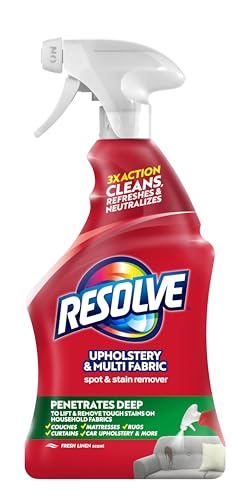
- 16 oz fabric car seat stain remover spray
- stain remover pen for car seats fabric
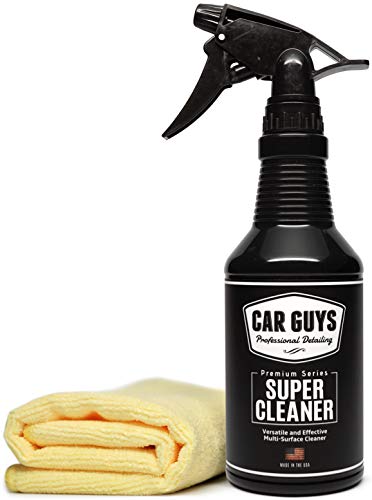
- car upholstery cleaning brush set microfiber
- portable car interior steam cleaner for upholstery
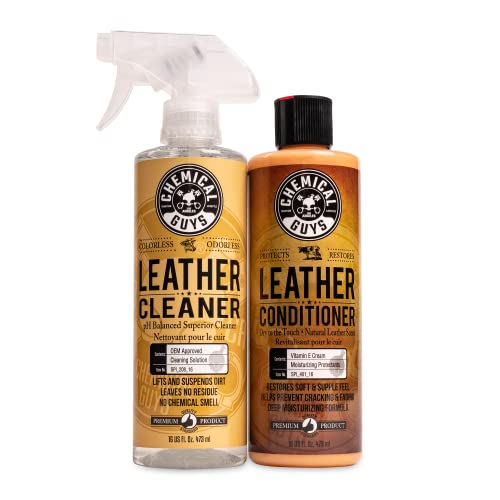
- leather car seat cleaner kit with brushes
Before You Start
Prepare the vehicle in a shaded area to prevent rapid drying that can set stains. Test cleaners on inconspicuous areas to check colorfastness, especially on fabric textures with patterns. Use minimal moisture to avoid soaking foam or padding, which can lead to odors or mold. Wear gloves and ensure adequate ventilation when using cleaners. Estimate 20–60 minutes for initial treatment, plus longer drying time as needed.
Step-By-Step: Removing Water Stains From Car Seats
- Identify the seat type: determine if the stain is on fabric or leather to choose the correct product path.
- Blot the area: use a clean microfiber towel to lift loose moisture without rubbing, which can push liquid deeper.
- Apply fabric stain remover spray: spray lightly on fabric seats and avoid oversaturation. For leather, skip this step and move to leather cleaner.
- Gently agitate with a microfiber brush set: circular motions help lift residues without damaging fibers. Work from the outside in to contain the stain.
- Rinse with a damp cloth: wipe away cleaner and lifted stain using a cloth lightly moistened with water, removing suds gradually.
- Dry the area thoroughly: use a fan, open windows, or a portable car interior steam cleaner on a low setting to dry evenly. Do not rely on heat alone, which can set stains.
- Repeat if necessary: for stubborn marks, reapply in thin layers rather than flooding the seat. Allow ample drying between passes.
- Leather care steps: if cleaning leather, apply leather car seat cleaner kit with brushes following the leather’s grain, then apply a conditioner to restore flexibility.
- Check for color transfer: once dry, inspect the area. If the stain remains, consider a second treatment or a targeted stain remover pen for fabric on the spot.
- Finish with a protective pass: a light overall spray for fabric or a leather conditioner can help prevent future moisture absorption.
- Reassemble and test: sit on the seat briefly to ensure the area feels uniformly dry and comfortable.
Troubleshooting
| Symptom | Likely Cause | Fix | Prevention |
|---|---|---|---|
| Stain reappears after drying | Residual moisture or fibers holding dye | Apply a second light treatment once dry | Dry thoroughly with a fan; avoid over-wetting |
| Color transfer or darkening | Over-saturation or incompatible cleaner | Switch cleaners; use damp cloth to remove excess | Test on hidden area first |
| Leather feels sticky after cleaning | Product residue | Wipe with clean damp cloth and dry completely | Use minimal product; choose leather-specific cleaners |
| Fuzzing or fiber lift on fabric | Aggressive brushing | Pause brushing and re-dampen lightly | Gentle agitation, short sessions |
Common Mistakes
- Over-wetting fabric seats, which can lead to mold or odor.
- Rubbing vigorously, which damages fibers and spreads the stain.
- Using incompatible cleaners on leather, causing cracks or color loss.
- Ignoring drying time, resulting in damp interiors.
- Skipping testing on hidden areas, risking discoloration.
Tips For Best Results
- Always blot first to remove excess moisture before cleaning.
- Work with thin layers and let each layer dry before applying the next.
- For stubborn watermarks, a portable car interior steam cleaner can lift moisture without soaking padding.
- Follow up with a conditioner for leather to preserve suppleness and prevent cracking.
- Keep a small stain pen on hand for quick touch-ups on fabric seats.
Call A Professional
Seek professional help if stains cover large areas, involve dye migration, or if there is suspected mold or mildew. Immediate professional intervention is advised when seats emit an unpleasant odor after cleaning, or if a chargeable discoloration remains after multiple treatments. If the seat cushions feel unusually soft or damp after cleaning, stop and consult a pro.
FAQ
Can water stains be removed from all seat types?
Most water stains can be lifted from fabric and leather with the right products and careful technique, but some fabrics or leathers may require professional cleaning.
Is steam cleaning safe for car upholstery?
Yes, when used on a low setting and with appropriate fabric compatibility, steam can lift stains and sanitize without over-wetting.
Should I use a fabric pen on water stains?
Fabric stain remover pens are handy for targeted spots after initial cleaning, but they work best as a follow-up step rather than a primary treatment.
How long does it take for seats to dry completely?
Drying times vary; fabric may dry in 1–4 hours under good airflow, leather a bit faster. Allow longer in humid conditions.
Buying Guide
When selecting products to address water stains on car seats, consider size, noise level, energy efficiency, controls, and placement. For fabric stains, a dedicated 16 oz fabric car seat stain remover spray can offer rapid, spot-clean results, while a stain remover pen for car seats fabric is ideal for quick touch-ups on the go. If leather seats are present, a leather car seat cleaner kit with brushes supports safe cleaning and maintenance, and a leather conditioner helps preserve suppleness.
For deeper or more persistent stains, a car upholstery cleaning brush set microfiber provides effective agitation without fiber damage, and a portable car interior steam cleaner for upholstery can lift embedded moisture and grime from multiple surfaces. When comparing options, evaluate the tool’s compatibility with fabric and leather, the included brush types, and the ease of cleaning tool heads. Consider noise levels and whether a compact steam cleaner fits your vehicle’s interior footprint.
Placement matters: keep cleaning gear accessible in a trunk or utility area and store cleaners away from direct sunlight. Finally, prioritize products with clear usage instructions and colorfast testing guidance to protect interior finishes.