Heavily soiled carpets can be stubborn, but with the right equipment and a careful approach, homeowners can restore their appearance and extend carpet life. This guide covers practical steps, tool recommendations, and common pitfalls to avoid when tackling tough spots, high-traffic stains, and deeply embedded dirt.
Quick Answer
For heavily soiled carpets, use a hot water extraction system to lift dirt from deep fibers. Pre-treat with an enzymatic stain remover for organic stains, follow with a carpet cleaning solution designed for heavy soils, and finish with a thorough rinse. Work in sections, avoid over-wetting, and allow ample drying time to prevent odors and mold.
What You’ll Need
- Hot water extraction carpet cleaner machine
- Professional carpet extractor with dual tanks
- Enzymatic carpet stain remover 32 oz
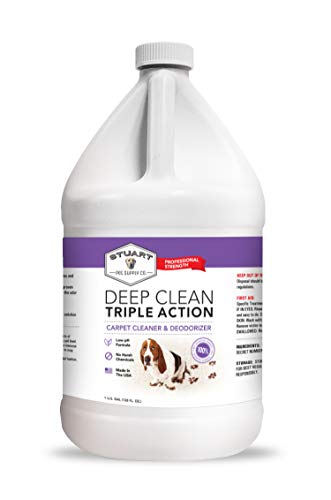
- Carpet cleaning solution for heavily soiled carpets
- Carpet and upholstery steam cleaner with attachments


Before You Start
Before beginning, clear the area of furniture and vacuum thoroughly to remove loose debris. Protect walls and baseboards with plastic sheeting if you’re cleaning near edges. Test a small inconspicuous area with the cleaning solution to confirm colorfastness. Plan the schedule so room temp stays between 60–85°F (15–29°C) to ensure optimal drying. Important cautions: never overwet the carpet, avoid leaving cleaning solution on fibers, and follow manufacturer instructions for each tool and chemical.
Step-By-Step: How To Clean Heavily Soiled Carpet
- Vacuum the area thoroughly to remove surface dust and loose soil.
- Apply an enzymatic carpet stain remover to any organic stains (food, pet urine, blood) and let sit the recommended dwell time.
- Pre-treat particularly tough spots with a heavy-soil carpet cleaning solution, focusing on high-traffic paths and edge areas.
- Fill the hot water extraction machine’s fresh water tank with clean hot water and add the prescribed amount of cleaning solution.
- Attach any required cleaning attachments for upholstery and edges, and select an appropriate cleaning head for carpet fibers.
- Begin cleaning in a back-and-forth pattern, slowly passing over each section to lift embedded soil while simultaneously extracting dirty water into the recovery tank.
- Work in small 3–6 foot sections, rinsing the attached wand frequently to avoid re-depositing dirt.
- When you reach the end of a section, go over it again with a light pass to remove remaining moisture and improve extraction.
- Inspect the area for missed spots and re-treat as needed, paying attention to edges and transitions between rooms.
- Allow the carpet to dry fully before moving furniture back; use fans or dehumidifiers to speed up drying and reduce odor risk.
- If odors persist after drying, re-clean targeted areas with a fresh application of enzyme cleaner or consider a second extraction pass with a neutral rinse.
Troubleshooting
| Symptom | Likely Cause | Fix | Prevention |
|---|---|---|---|
| Carpet remains damp hours after cleaning | Insufficient extraction or very dense pile | Increase extraction passes and use fans/dehumidifiers | Pre-test moisture and avoid soaking |
| Stains reappearing after drying | Deep-set stains not fully treated | Reapply enzymatic remover and re-extract | Pre-treat with enzyme cleaner before cleaning |
| Frothing or sticky residue | Leftover detergent in carpet | Rinse with clean water and re-extract | Use the recommended cleaning solution and follow instructions |
| Foul odor persists | Moist environment or organic matter left behind | Increase ventilation and re-clean with enzyme solution | Ensure thorough drying and clean water rinse |
Common Mistakes
- Over-wetting the carpet, which slows drying and can cause mold.
- Using too little cleaning solution on heavily soiled areas.
- Skipping pre-treatments for stains, especially organic ones.
- Avoiding edge-to-edge cleaning and leaving dirt around baseboards.
- Rushing steps or omitting a dry run pass over each section.
Tips For Best Results
- Test every cleaner in a hidden area to ensure colorfastness.
- Prepare the room with airflow: open doors, use fans, or a dehumidifier.
- Work in consistent lighting to better identify remaining stains.
- Use a high-quality carpet cleaning solution formulated for heavy soils and consider enzymatic options for organic stains.
- For very large rooms, plan multiple sessions to prevent fatigue and drying issues.
Call A Professional
Heavily stained carpets may require professional equipment or expertise. Consider a pro if there are persistent odors, widespread staining, or delicate fibers (such as silk blends) that risk damage from DIY cleaning. Seek professional help if there are damp, musty smells after drying, or if stains return after initial cleaning.
FAQ
What is the best method for cleaning heavily soiled carpet?
Hot water extraction using a professional extractor provides deep cleaning by lifting dirt from fibers while removing moisture in the same pass.
Should I pre-treat before extraction?
Yes, apply enzymatic stain remover for organic stains and a heavy-soil cleaner for tough spots, then proceed with extraction.
How long does it take for carpet to dry after cleaning?
Drying times vary by room size and ventilation but typically range from 4 to 24 hours. Use fans or a dehumidifier to speed drying.
Is it okay to use household cleaning products for heavy soil?
Generally not recommended; use cleaners designed for carpet cleaning to avoid residue and fiber damage.
Can I clean upholstery with the same machine?
Most carpet cleaners have attachments for upholstery; follow the manufacturer’s guidelines for fabric care.
What if stains come back after cleaning?
Re-treat the area with an enzymatic cleaner and re-extract; some stains require multiple passes.
Do I need special insurance or licensing to do this professionally?
Most DIY cleaning does not require licensing, but professional services may hold licenses and insurance for customer protection.
Buying Guide
When evaluating equipment for cleaning heavily soiled carpets, consider how the machine handles deep cleaning, efficiency, and ease of use. A reliable hot water extraction system should deliver strong suction, consistent heat, and adequate recovery capacity. Look for dual-tank designs to separate clean and dirty water, reducing cross-contamination and downtime.
Key buying factors include:
- Size and portability: Choose a unit that fits the space you clean and is easy to maneuver up and down stairs.
- Noise level: Quieter models reduce disruption, especially in homes with children or pets.
- Power and heat: Higher heat helps break down soils; ensure the machine maintains temperature without overheating.
- Solution compatibility: Use cleaners formulated for heavy soils and enzymatic stains to maximize results.
- Attachment versatility: Attachments for upholstery and stairs improve overall cleaning efficiency.
- Maintenance and warranty: Look for easy-to-clean components and a warranty that covers wear parts.
- Drying assistance: Efficient suction and optimized airflow shorten drying times and reduce odor risk.
For buyers comparing models, consider which tool will be used most often, whether you’ll clean large areas or only spot-treat, and how important professional-grade results are to you. If unsure, a mid-range unit with strong suction, robust tanks, and a reputable brand often balances performance and value.