Cleaning a coffee maker regularly helps maintain brew quality and extend the appliance’s life. While many users rely on specialized cleaners, a gentle dish soap solution can safely remove oils and residue when used correctly. This guide outlines practical steps, tools, and safety tips to clean most drip coffee makers without harsh chemicals.
Quick Answer
Dish soap can work well for routine cleaning when diluted in warm water. Use a mild detergent, rinse thoroughly, and avoid getting soap into the coffee reservoir and heating element. For stubborn buildup, alternate with a vinegar rinse or dedicated descaler, then complete a thorough rinse cycle.
What You’ll Need
- Dish soap (mild, fragrance-free preferred)
- Water
- Coffee maker cleaning brush
- Carafe cleaning brush stainless steel
- Narrow neck bottle brush for coffee maker reservoir
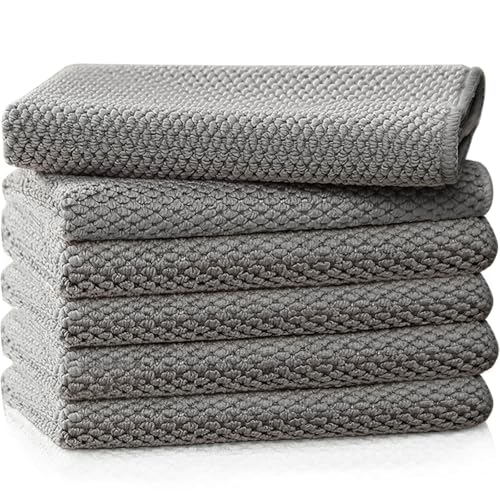
- Microfiber cloth for coffee maker cleaning
- Water reservoir brush for coffee maker


Before You Start
Unplug the coffee maker and let it cool before cleaning. Remove the filter basket, carafe, and any detachable parts. Prepare a soapy solution with warm water: a few drops of mild dish soap per quart of water is sufficient. Avoid abrasive scrubbers that could scratch surfaces. Keep the heating plate dry to prevent damage. Plan for 20–30 minutes for a thorough cleaning and an extra rinse if needed.
Step-By-Step: How To Clean A Coffee Maker With Dish Soap
- Disassemble the unit by unplugging and removing the carafe, lid, filter basket, and any detachable parts.
- Rinse the carafe and filter basket under warm water to loosen coffee oils.
- Mix a small amount of mild dish soap with warm water in a cup or pitcher. Use this solution to wash the carafe and interior surfaces with the carafe cleaning brush stainless steel or a narrow neck bottle brush for the reservoir, ensuring all corners are scrubbed.
- Wipe the exterior surfaces and warming plate with a damp microfiber cloth, taking care not to saturate any electrical components.
- Clean the reservoir by pouring the soapy solution into the water reservoir and using the water reservoir brush for coffee maker to scrub the interior lightly.
- Rinse thoroughly by running several cycles with plain water. Use the coffee maker’s empty brew cycle or follow with multiple hot-water-only rinses to remove all soap residue.
- Inspect seals, gaskets, and the carafe lid for grime. Clean with a brush and rinse completely before reassembling.
- Reassemble the machine, fill the reservoir with fresh water, and run a final rinse cycle to ensure any remaining soap is flushed out.
- Test with a few cups of water to confirm no soap taste remains before brewing coffee again.
- Store components dry and reassemble in a clean, dry area to prevent mold or mildew growth.
- Schedule regular cleanings (monthly for high-use machines) to maintain performance and flavor consistency.
Troubleshooting
| Symptom | Likely Cause | Fix | Prevention |
|---|---|---|---|
| Soap taste in brewed coffee | Soap residue left after cleaning | Run multiple plain-water rinse cycles until odor disappears | Rinse thoroughly after cleaning; avoid overuse of dish soap |
| Slow coffee flow | Residue buildup in the spray arms or filter basket | Use a brush to clean spray head and basket; rinse well | Schedule routine cleanings and flush with hot water |
| Clogged reservoir | Soap or coffee oils near seals | Clean reservoir with a dedicated brush and rinse completely | Inspect seals; wipe seals gently after cleaning |
| Unpleasant odor | Residual oils on carafe or plastic parts | Clean carafe and interior with soap; air-dry fully | Dry all parts completely after each cleaning |
Common Mistakes
- Using too much dish soap, which can be hard to rinse completely
- Not rinsing until there is no soap smell or taste
- Getting water into electrical components or heating element
- Using abrasive brushes that scratch carafes or housing
Careful rinsing and surface-safe brushes help prevent these issues and extend the life of the coffee maker.
Tips For Best Results
- Prepare a routine: monthly deep clean plus weekly quick wipe-downs reduce buildup.
- Prefer a mild, fragrance-free dish soap to minimize residues.
- Use microfiber cloths to avoid lint and streaks on shiny surfaces.
- During the rinse phase, run several cycles with only water to ensure no soap remains.
- For stubborn residue, alternate with a vinegar rinse, then follow with a thorough water-only rinse.
Call A Professional
Consider contacting a professional if the coffee maker exhibits persistent leaks, electrical issues, unusual noises, or persistent odors after multiple cleanings. Stop using the machine if any component appears damaged, if there is a burning smell, or if the unit fails to power on after cleaning.
FAQ
Is dish soap safe for all coffee makers?
Most drip coffee makers tolerate mild dish soap when properly rinsed, but always check the manufacturer’s cleaning instructions for your model.
How often should I clean my coffee maker with dish soap?
Begin with a monthly thorough clean; increase frequency if you brew multiple pots daily or notice residue buildup.
Can I use dish soap directly in the reservoir?
Yes, but dilute it in warm water and rinse thoroughly to remove all soap before brewing coffee again.
What if I still taste soap after cleaning?
Run several cycles with plain hot water until the taste disappears, and inspect seals and removable parts for soap residue.
Buying Guide
When choosing cleaning tools and accessories for a coffee maker, consider size compatibility, material quality, and ease of use. The buying guide below focuses on common factors that influence effectiveness and user experience.
Key Buying Factors
- <bCleaning brushes: A set that includes a coffee maker cleaning brush, carafe cleaning brush stainless steel, and a narrow neck bottle brush for the reservoir helps reach tight spaces and remove oils effectively.
- <bReservoir care: A dedicated water reservoir brush for coffee maker ensures thorough interior cleaning without scratching plastic surfaces.
- <bSurface care: A microfiber cloth for coffee maker cleaning provides lint-free drying and streak-free finishes on exterior surfaces.
- <bErgonomics: Choose brushes with non-slip handles and soft bristles to protect finishes while providing effective scrubbing.
- <bDurability: Stainless steel components offer better longevity for frequently used cleaning tools.
- <bCompatibility: Verify that tools fit your model’s carafe neck, filter basket, and reservoir dimensions.
- <bMaintenance: Look for tools that are dishwasher-safe or easy to rinse and air-dry after use.
Thinking about performance versus persistence? A well-rounded kit with the recommended brushes and microfiber cloths makes routine maintenance straightforward, helping preserve flavor and extending the life of the coffee maker. If unsure about model-specific care, consult the user manual or manufacturer support for compatible cleaning methods.