Filtration soiling on carpet can result from using certain cleaning agents, dust collection from equipment, or residual dirt trapped in carpet fibers. This guide explains practical, step-by-step methods to remove filtration grime and restore carpet appearance using common tools and safe techniques.
Quick Answer
Gently agitate the affected area, apply a suitable cleaning solution, extract with a carpet extractor designed for deep cleaning, and repeat until the rinse water runs clear. For tough soiling, use a heated water feature to boost soil suspension, and finish with a thorough rinse and air drying.
What You’ll Need
- Upright carpet cleaner machine with heated water feature
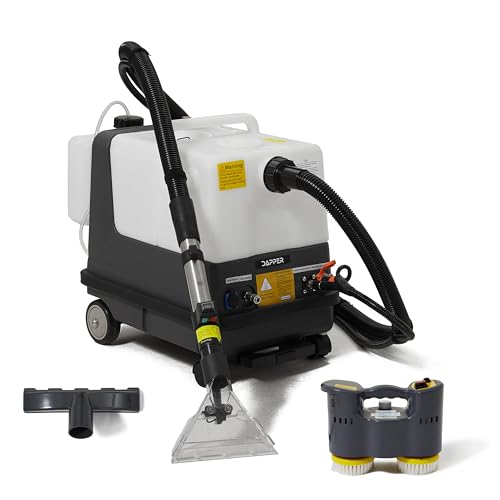
- Carpet extractor with dual tank system for deep cleaning
- Rug cleaning wand attachment for carpet extractor
- Portable handheld carpet cleaner extractor kit
- Carpet upholstery cleaner tool kit for DIY deep clean


Before You Start
Inspect the carpet for delicate fibers or high-traffic zones and test any cleaner in an inconspicuous area. Ensure the room is well ventilated and allow adequate drying time. Avoid over-wetting the carpet, which can worsen filtration residues and promote mold growth. Prepare a clear path to prevent trips during cleaning. Estimate total time: typically 1–3 hours depending on area size and stain severity.
Step-By-Step: How To Clean Filtration Soiling On Carpet
- Prepare the cleaning solution recommended for residential carpet care and fill the dual-tank extractor with clean water in the rinse tank and a suitable pre-spray or cleaning solution in the cleaning tank.
- Attach the rug cleaning wand or upholstery tool to the machine, ensuring all connections are secure and the filter is clean.
- Pre-treat the soiled sections by applying a brief layer of cleaning solution and letting it dwell for 5–10 minutes to loosen filtration grime.
- Begin extraction with steady, overlapping passes, moving the wand in a straight line to maximize soil pickup and minimize wet spots.
- Periodically pause to check the dirty water tank. Dump and rinse the tank as needed to prevent re-depositing soil onto the carpet.
- Use the heated water feature if available to improve soil suspension, particularly for dense or heavily soiled areas. Maintain consistent pressure to avoid over-wetting.
- After the initial pass, perform a second pass with clean water only to rinse away remaining residues and cleaning agents.
- Let the carpet air dry completely. Use fans or open windows to speed up drying and reduce the chance of new filtration buildup from damp conditions.
- For stubborn patches, repeat the cleaning cycle on targeted spots, taking care not to overly saturate the fiber.
- Inspect the carpet once dry. If any residues persist, consider a follow-up cleaning with a dedicated carpet extractor kit or consult professional equipment settings for deeper extraction.
- Clean and rinse all tools and empty tanks after use to prevent odor and residue buildup for the next cleaning session.
Troubleshooting
| Symptom | Likely Cause | Fix | Prevention |
|---|---|---|---|
| Water drains slowly from the machine | Clogged hoses or filters | Disconnect power, remove blockages, rinse filters | Regularly check and clean filters after use |
| Rinse water feels dirty immediately | Soil loosened but not fully extracted | Increase extraction passes and ensure clean water in recovery tank | Pre-treat heavy soils before cleaning |
| Carpet remains overly wet | Excessive solution or poor airflow | Use fewer cleaning cycles and improve ventilation | Avoid saturating fibers; use fans after cleaning |
| Unpleasant odor after cleaning | Residual cleaning agents or mold risk | Rinse thoroughly and dry promptly | Dry within 2–4 hours; store equipment dry |
Common Mistakes
- Over-wetting the carpet, which traps moisture and resoil
- Using too much cleaner, leaving residues that attract dirt
- Neglecting pre-treatment on heavily soiled areas
- Skipping the rinse pass, leaving cleaning agents behind
- Forgetting to empty and rinse tanks between passes
Tips For Best Results
- Work in small, manageable sections to prevent surface saturation
- Test any cleaner on a hidden area to ensure colorfastness
- Utilize the dual tank system to separate clean rinse water from dirty extraction
- Choose a tool compatible with your carpet type, especially for delicate fibers
- Air-dry thoroughly; consider dehumidifiers to speed up drying
Call A Professional
Consult a professional if carpet fibers show permanent discoloration, if stains persist after multiple cleanings, or if the carpet is a high-end material (such as wool) that requires specialized equipment and cleaning agents. Stop cleaning and seek expert advice if you notice dye transfer, severe shrinkage, or persistent odor that does not fade after drying.
FAQ
What causes filtration soiling on carpets?
Filtration soiling occurs when soils are trapped during cleaning cycles, often from residual particles in the cleaning system or improper rinsing that re-deposits dirt onto fibers.
Can heated water improve cleaning results?
Yes, heated water helps dissolve and suspend oily soils more effectively, leading to deeper extraction in many cases.
Is a dual-tank extractor necessary?
A dual-tank system helps prevent dirty water from mixing with clean water, improving cleaning efficiency and soil removal.
How long should I wait before the carpet is fully dry?
Drying times vary by fiber, room ventilation, and humidity, but most residential carpets dry within 4–8 hours under normal conditions.
What maintenance should follow the cleaning session?
Rinse and wipe tools, empty tanks, clean filters, and store equipment dry to prevent odors and mildew.
Buying Guide
Choosing the right cleaning equipment for handling filtration soiling on carpet involves several factors. Consider the carpet type and room size to determine whether a portable handheld cleaner or a larger upright machine is best. Key buying factors include:
- Size and weight: Larger machines offer more power but require storage space and handling ease; smaller models are portable and convenient for stairs and tight areas.
- Noise level: Quieter models reduce disruption, especially in homes with children or pets.
- Energy and water efficiency: Look for heat-efficient systems and tanks that minimize waste and optimize heat settings.
- Controls and usability: Simple toggles, clear indicators, and easy filter access save time during cleaning.
- Filtration and tank design: Dual-tank systems prevent re-soiling and simplify maintenance.
- Attachments and versatility: A rug cleaning wand, upholstery cleaner, and tool kit expand cleaning options for various surfaces.
- Placement and storage: Ensure the unit fits the intended storage area and can reach typical cleaning zones without difficulty.
For homes with frequent soiling or large carpeted areas, an upright carpet cleaner machine with heated water feature or a carpet extractor with a dual tank system offers strong performance. If portability is essential, a portable handheld carpet cleaner extractor kit may suffice for spot cleaning. When shopping, compare models that include the rug cleaning wand attachment and the carpet upholstery cleaner tool kit for DIY deep clean, and consider bundles that provide comprehensive coverage for a whole-home refresh.