Bugs in flour can be a frustrating and unsanitary problem. This guide explains practical, safe steps to identify, eliminate, and prevent pantry pests from returning. The approach focuses on food-safe handling, proper storage, and easy-to-use tools available in many American homes.
Quick Answer
Inspect all flour and surrounding dry goods for signs of larvae or webbing, then discard affected batches in a sealed bag. Clean and vacuum the pantry, then store flour in airtight containers to prevent re-infestation. If pests persist, consider pheromone traps for pantry moths and desiccants to deter eggs. Regularly rotate stock and maintain dry, cool storage conditions.
What You’ll Need
The following tools and materials help create a pest-resistant flour storage setup. Where possible, use items designed for food safety and long-term storage.
- pantry moth trap pheromone
- food grade silica gel desiccant for pantry
- airtight glass canister flour storage set
- vacuum sealer for food storage
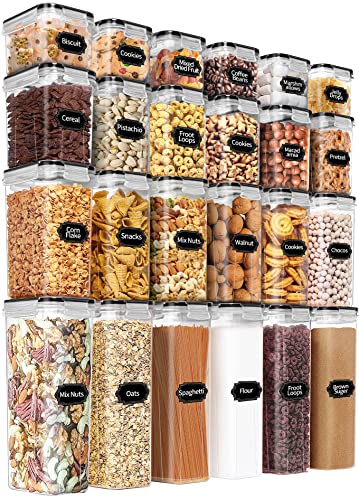
- airtight storage container canister set pantry


Before You Start
Before handling flour and pantry items, wash hands and clear a clean workspace. Empty the pantry one shelf at a time to prevent cross-contamination. Check all dry goods for signs of infestation, not just flour. Keep heat sources away from stored products, since heat can drive pests into the storage containers. Plan for time to thoroughly clean cabinets and replace damaged packaging.
Step-By-Step: How To Get Rid Of Bugs In Flour And Prevent Infestation
- Remove and inspect all flour and nearby dry goods from the pantry. Look for small moths, larvae, webbing, or flour that looks clumped or off-colored.
- Decide what to discard: if any package shows signs of infestation, seal it tightly and dispose of it outside the home to prevent re-entry.
- Vacuum shelves and corners, then wipe with a mild, food-safe cleaner. Vacuuming helps remove eggs and larvae from hard-to-reach spots.
- Clean containers and replace damaged lids. Use warm water and soap on glass canisters, ensuring they’re completely dry before refilling.
- Install airtight storage: transfer flour to airtight glass canister storage sets to block pests from re-entering the bags.
- Use desiccants: place food grade silica gel desiccant packs inside sealed containers to reduce moisture and deter mold growth and eggs.
- Seal and organize: seal all containers tightly, label with purchase dates, and group similar items to simplify rotation.
- Set a trap for pantry moths: position pantry moth traps away from food surfaces to monitor and reduce adult moth populations.
- Implement a rotation schedule: practice First-In, First-Out (FIFO) with all dry goods to minimize long-term storage in one place.
- Monitor regularly: check containers monthly for any signs of new activity and replace desiccants as directed.
- Reassess moisture: ensure the storage area remains dry; fix leaks and improve ventilation if needed to prevent future infestations.
- Reintroduce products gradually: once no signs of pests remain for several weeks, reintroduce flour and other dry goods in small batches with careful inspection.
Troubleshooting
| Symptom | Likely Cause | Fix | Prevention |
|---|---|---|---|
| Small moths in pantry | Adult pantry moths entering from outside | Place pheromone traps, seal all bags, and clean thoroughly | Keep pantry doors closed and inspect items before bringing home |
| Bags show larvae or webbing | Infested flour or grains | Discard affected items and sanitize shelves | Store in airtight containers and rotate stock regularly |
| Moisture or mold in containers | High humidity or leaks | Dry the area, use silica desiccants, and replace damp containers | Maintain cool, dry storage environment |
| Reappearance after cleaning | Residual eggs or new entry points | Re-inspect and seal gaps, add more traps if needed | Consistent monitoring and quick action on signs |
Common Mistakes
- Reusing infested bags instead of sealing and discarding
- Storing flour in porous or damaged containers
- Ignoring humidity and heat contributing to pest life cycles
- Relying on a single method; pests may require multiple approaches
Tips For Best Results
For best results, pair airtight glass canisters with a pantry-specific storage routine. Consider a vacuum sealer for food storage to minimize air exposure for bulk flour. Use panty moth traps strategically away from food surfaces to monitor activity without contamination. Regularly replace silica gel desiccants to keep moisture low, and keep a small reserve of dry goods in sealed containers to limit repeated full-scale purchases during outbreaks.
Call A Professional
Seek professional pest control guidance if infestations persist after thorough cleaning and storage optimization, or if there are signs of larger pest issues beyond pantry moths. Do not attempt aggressive chemical treatments near food storage areas without guidance. Stop and contact a pro when pests are widespread, containment seems impossible, or repeated cycles occur despite compliant practices.
FAQ
Are pantry moths dangerous to humans?
Pantry moths are not known to bite or spread disease to people, but their larvae can contaminate food, reducing quality and safety.
How long does it take to eliminate an infestation?
With thorough cleaning, proper sealing, and monitoring, a small pantry can improve within several weeks; persistent or large infestations may take longer.
Can I reuse glass canisters after cleaning?
Yes, ensure they are sterilized, completely dry, and free of any larvae or eggs before refilling.
What’s the role of silica gel in storage?
Silica gel desiccants reduce moisture, slowing mold growth and helping deter eggs in tight storage spaces.
Should I throw away all flour if I see a few bugs?
If you notice signs of infestation, discard affected batches and inspect all nearby products; do not consume compromised flour.
Do vacuum sealers help with flour storage?
Yes, vacuum sealing can extend shelf life and reduce exposure to air and pests when combined with airtight containers.
When is a professional exterminator necessary?
If pests persist after cleaning and storage improvements, or if you have recurring outbreaks, consult a pest control expert.
Buying Guide
When choosing products to prevent and control flour pests, consider size, design, materials, and ease of use. A good setup uses airtight glass canister flour storage set with uniform lids for quick access, and overall airtight storage container canister set pantry compatibility. Look for clear visibility to monitor contents, stackable designs to maximize space, and dishwasher- or hand-washable components for easy cleaning. A compatible vacuum sealer for food storage can protect large quantities, while pantry moth trap pheromone helps monitor activity. Ensure items are BPA-free and labeled for food safety.
Size matters: choose containers that fit your typical flour bag sizes and pantry shelves, but also leave room for desiccants. Noise and energy are minimal concerns for basic storage tools, but consider a compact vacuum sealer if you frequently store bulk baking supplies. For placement, keep these containers away from heat sources and direct sunlight to preserve flour quality and deter pest life cycles.
Reviews and warranties provide confidence in performance. If multiple products meet your needs, prioritize those with strong sealing performance, durable materials, and easy-to-clean designs. A cohesive system—airtight containers, desiccants, and pheromone traps—creates a robust defense against pantry pests and keeps flour fresh longer.