Cleaning window blinds can be messy, especially when done above a sink or in a tub. This guide explains how to clean blinds safely and efficiently using common bathroom tools, with a focus on minimizing water damage and cosmetic wear. The steps work for most horizontal blinds and can be adapted for various materials.
Quick Answer
Wash blinds in the bathtub using a gentle cleaner, a long-reach tool, and a soft brush or sponge. Rinse with clean water, dry thoroughly, and rehang promptly to prevent water spots or warping. For tight spots, use a bendable or extendable tool to reach both sides of the slats.
What You’ll Need
- extendable microfiber blind duster wand
- long reach window blind cleaning brush kit
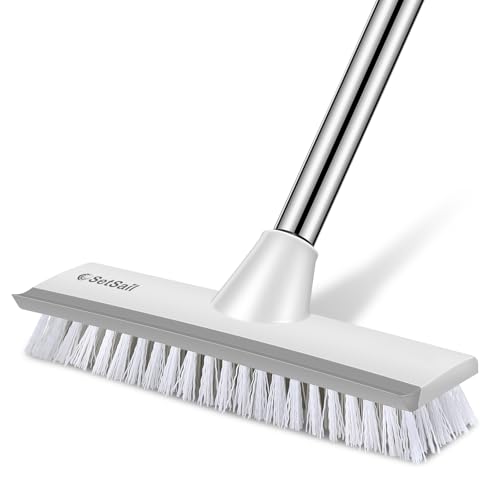
- bathroom scrub brush with adjustable handle for blinds
- slim flexible sponge for cleaning blinds in the tub
- bathroom squeegee with microfiber pad for blinds cleaning


Before You Start
Prepare a clean, shallow tub or basin with a small amount of mild dish soap in warm water. Protect the tub finish with a washable mat if needed. Lay a towel under the blinds after removal to catch drips. Always test a small hidden area of the blinds for colorfastness before full cleaning. Set aside 20–40 minutes depending on blind size and the number of slats.
Step-By-Step: How To Clean Blinds In The Bathtub
- Remove blinds from the window carefully, keeping cords untangled. If dual-rod mounting is used, support both ends to prevent bending.
- Place the blinds in the tub with the slats fully spread. Submerge briefly to loosen dust, then lift and drain slightly to avoid soaking the entire mount.
- Prepare a mild soapy solution in warm water. Dip the extendable microfiber wand or long reach brush in suds and begin at the top edge of the blinds.
- Gently scrub each slat with a soft brush or slim sponge, cleaning both sides. Use vertical strokes to minimize water streaks.
- Rinse slats by carefully running a clean sponge along each side, angling to remove soap without soaking the cords or hardware.
- For stubborn spots, use the adjustable-handle scrub brush or flexible sponge to reach into tight folds. Repeat scrubbing on both sides as needed.
- Lift blinds out of the tub and drain excess water. Shake lightly to remove remaining drops and set on a drying rack or towels.
- Dry each slat with a microfiber pad or squeegee to prevent water spots. Ensure the blinds are fully dry before rehanging.
- Reinstall blinds, ensuring cords glide smoothly. If using a slim brush, wipe the headrail to remove any moisture that could attract mold.
- Optional: wipe surrounding window frames with a dry microfiber cloth to prevent damp buildup on nearby surfaces.
- Inspect once dry for any missed spots and repeat the process for sections that require extra attention.
Troubleshooting
| Symptom | Likely Cause | Fix | Prevention |
|---|---|---|---|
| Water spots after drying | Hard water mineral residue | Wipe with a damp cloth and dry immediately | Wipe surfaces with a damp microfiber after cleaning |
| Slings or sagging cords | Over-wetting and long soaking | Limit submersion; dry cords thoroughly | Keep blinds in a shallow tub and remove promptly |
| Slats still dirty in folds | Dust trapped in creases | Use a flexible sponge to reach folds | Dry between passes to minimize residue |
| Blinds warped after cleaning | Excess heat or prolonged soaking | Use tepid water and quick drying | Avoid hot water and long submersion |
Common Mistakes
- Using harsh cleaners that damages paint or coatings
- Letting blinds soak too long and warping slats
- Neglecting thorough drying, which invites mold
- Scrubbing too hard, causing scuffs on slats
- Not protecting surrounding surfaces from water splashes
Tips For Best Results
- Choose extendable tools to minimize bending while cleaning.
- Work in sections: clean one side, flip to the other, then rinse.
- Use a breathable towel or drying rack to speed up drying time.
- For delicate blinds, test a hidden slat first before full cleaning.
- Schedule periodic cleanings to prevent heavy buildup and simplify maintenance.
Call A Professional
Consider calling a professional if blinds are unusually fragile, heavily stained, or if cords are frayed. Stop and seek help if there is any sign of water damage around window frames or mold growth that extends beyond the blinds. Professionals can safely remove and deep-clean blinds without risk of warping or injury.
FAQ
Can I clean blinds in the tub without removing them?
Partial cleaning is possible with a flexible duster, but removing blinds reduces drips and ensures both sides are cleaned thoroughly.
What cleaners are safe for most blinds?
A mild dish soap solution works for most materials; always test first on a hidden slat.
How long does it take for blinds to dry in the tub?
Expect 30–60 minutes depending on material and air circulation.
Should I clean vinyl and wood blinds the same way?
Vinyl blinds tolerate water well; wood blinds require gentler handling and quicker drying to prevent damage.
Is it okay to use a hairdryer to speed up drying?
Low heat can distort slats; air-drying or a fan is safer for most blinds.
Buying Guide
When selecting tools to clean blinds in the tub, consider size, reach, material compatibility, and storage needs. A set that includes an extendable microfiber wand, a long-reach brush kit, and a flexible sponge offers versatility for various blinds and tub configurations. Look for adjustable handles to reach awkward angles and a soft-bristle design to prevent scratching slats. For frequent cleaning, a squeegee with a microfiber pad helps finish with fewer water spots. Consider storage space and compatibility with your existing cleaning arsenal to keep maintenance simple and effective.
What To Consider When Choosing Cleaning Tools
- Size and reach: Will the tools extend enough to clean upper slats without straining?
- Material compatibility: Are the bristles and sponges gentle on vinyl, wood, or faux wood blinds?
- Drying efficiency: Does the kit include a microfiber squeegee or pad for quick drying?
- Storage and setup: Are components easy to assemble and store in a bathroom cabinet?
- Budget and durability: Are the tools durable enough for regular use without needing frequent replacement?