Maintaining fabric furniture helps extend its life and keep homes looking fresh. This guide walks American households through practical steps to clean sofas, chairs, and other fabric items without damaging fibers or finishes. By following a structured method and using the right tools, you can remove stains, odors, and grime effectively.
Quick Answer
Start with surface brushing and blotting to lift debris, then treat stains with a fabric-safe cleaner. Use an upholstery cleaner machine for deeper cleaning, followed by a fabric protector spray to inhibit future stains. Always air dry thoroughly before use.
What You’ll Need
Gather these tools and products to tackle typical fabric cleaning tasks.
- portable upholstery steam cleaner machine 1500W
- enzyme fabric stain remover spray 32 oz for sofa
- upholstery cleaning machine for couch and chairs with brush
- microfiber upholstery cleaning brush set
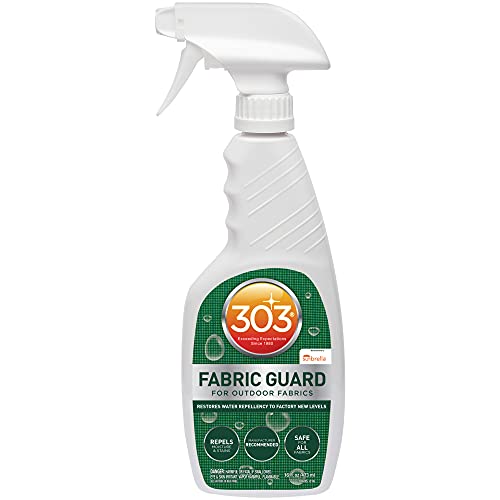
- fabric protector spray for furniture 16 oz


Before You Start
Check the furniture tags for cleaning codes (W, S, WS, X) and test any product in an inconspicuous area. Vacuum the surface thoroughly to remove dust and loose debris. Work in a well-ventilated space and protect surrounding floors with a drop cloth. Never saturate leather or vinyl fabrics unless the product is approved for that material. Drying times vary, typically 2–6 hours depending on fabric and climate.
Step-By-Step: How To Clean Fabric Furniture
- Vacuum the fabric to remove loose dirt and crumbs, using a brush attachment for deeper fibers.
- Blot stains with a clean, lint-free cloth to absorb as much liquid as possible before applying cleaners.
- Apply a small amount of enzyme fabric stain remover spray to stained areas, allow it to sit briefly, then blot with a clean cloth.
- Prepare the upholstery cleaning machine according to the manufacturer’s instructions and attach the brush.
- Gently work the cleaner into the fabric in overlapping passes, using a light touch to avoid over-wetting.
- Rinse with clean water or an appropriate extraction setting to remove residue, ensuring the fabric remains damp but not soaked.
- Use the microfiber upholstery cleaning brush set to lift fibers and improve lift and appearance, then allow to air-dry completely.
- For high-traffic furniture, repeat cleaning after the first full dry cycle if necessary to remove stubborn soils.
- Once dry, check for any remaining stains and re-treat only the affected areas if needed.
- Lightly brush the fabric to restore nap and texture; a fabric protector spray can help repel future spills.
- Revisit high-use surfaces with a quick vacuum and spot-check after 24–48 hours to ensure complete dryness.
Troubleshooting
| Symptom | Likely Cause | Fix | Prevention |
|---|---|---|---|
| Stains reappear after drying | Soap residue or incomplete rinsing | Rinse thoroughly with clean water and extract more moisture | Test products, extract more slowly, and ensure complete drying |
| Fabric remains stiff or crunchy | Over-wetting or product overuse | Blot excess moisture and air-dry fully | Use minimal product; work in small sections |
| Fabrics fade or discolor | Harsh cleaners or sun exposure | Switch to fabric-safe products and limit sun during drying | Spot test and follow label directions |
| Unpleasant odor persists | Trapped moisture or pet odors | Use enzyme spray and ensure thorough drying | Improve ventilation during drying |
Common Mistakes
- Over-wetting fabric, which prolongs drying and can cause mold
- Using household cleaners not labeled for upholstery
- Rubbing stains aggressively, which can fray fibers
- Skipping a test patch on an inconspicuous area
Sticking to manufacturer guidelines and performing a small patch test reduces the risk of damage and ensures better outcomes.
Tips For Best Results
- Work in a shaded area or indoors with good airflow to speed drying
- Use a microfiber cloth to lift stains rather than rubbing hard
- Choose a foam or spray cleaner designed for your fabric type
- Keep a spare area of the furniture clean and dry to compare color changes
- Follow up with a fabric protector spray to help repel future spills
Call A Professional
Consider a professional if the fabric is delicate, antique, or value-heavy, or if stains are deeply set and require specialized equipment. Stop cleaning and seek expert help if you notice dye bleeding, fabric fraying, or color loss beyond spot areas.
FAQ
Can I use a steam cleaner on all fabrics?
Most fabrics respond well to steam cleaning when the machine and attachment are appropriate for the material. Always check care labels and test on a hidden area first.
Is enzyme spray safe on all upholstery?
Enzyme-based sprays work well on organic stains but may not be suitable for all synthetic fabrics. Always perform a patch test and follow product directions.
How long does fabric drying take after cleaning?
Drying times vary by fabric and environment, typically 2–6 hours. Ensure good air circulation and avoid sitting on the furniture until fully dry.
Should I vacuum before or after cleaning?
Vacuum before cleaning to remove surface debris; vacuum again after drying to lift fibers and remove any loosened residue.
Can I use a fabric protector spray immediately after cleaning?
Yes, once the fabric is completely dry. Follow label directions and apply evenly for best protection.
Buying Guide
Choosing gear and products for cleaning fabric furniture involves several factors. Consider size, noise level, energy efficiency, control options, and placement in the home to optimize both performance and convenience.
Key Buying Factors
- Size and weight: Portable units are easier to move around rooms and fit in small spaces
- Power and performance: A 1500W upholstery steam cleaner offers strong extraction power
- Attachments: A brush set and specialized nozzles improve cleaning on textured fabrics
- Cleaning solutions: Enzyme-based stain removers work well on organic soils
- Fabric protection: A protective spray helps repel future stains after cleaning
- Noise and drying time: Quieter machines and faster drying reduce disruption
- Ease of use and maintenance: Simple assembly, cleaning, and replacement parts matter
- Compatibility: Verify pads, brushes, and cleaners suit your sofa, chair, and cushions
When comparing options, think about how often you clean, the upholstery materials you own, and whether you prefer built-in brushes or separate cleaning tools. Would a compact system fit your living room flow, or do you need a larger setup for frequent deep cleans? A practical approach balances performance with ease of use and ongoing maintenance. If in doubt, consult product guides and user reviews to align with real-world results.