Decorative pillows add style to a space, but they require careful cleaning to preserve their fabric and shape. This guide outlines practical, step-by-step methods tailored for common pillow fabrics, plus smart spot-cleaning tips and tool recommendations to keep decorative cushions looking fresh.
Readers will learn safe cleaning methods for velvet, cotton, linen, and blends, along with stain removal strategies that minimize wear. The goal is to maintain color, texture, and fullness while removing dirt, odors, and spots without damaging pillow inserts or covers.
Quick Answer
Spot clean lightly with a fabric-safe spray, then use the right tools for deeper cleaning: a vacuum with upholstery attachment for dust, a handheld fabric steamer for gentle refresh, and a lint roller for velvet textures. For stains, apply a stain remover pen to the fabric and blot—avoid soaking the pillow unless the cover is removable and washer-safe.
What You’ll Need
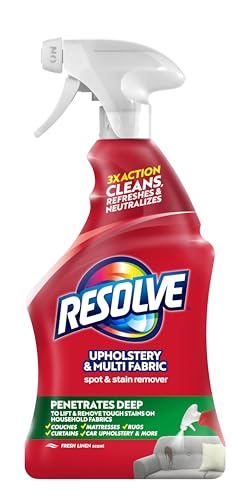
- Upholstery cleaner spray for decorative pillow fabric
- Handheld fabric steamer for pillow covers
- Vacuum with upholstery attachment for decorative pillow
- Lint roller for velvet decorative pillow
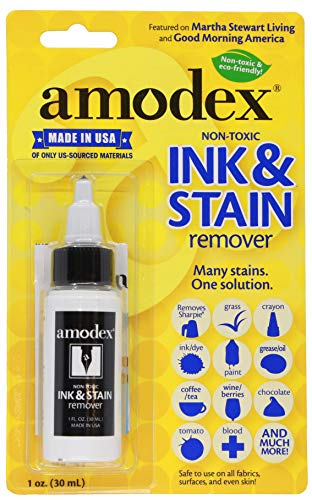
- Stain remover pen for fabric cushions
Before You Start
Check the pillow care tag for fabric instructions and label any delicate textiles as “dry clean only.” Remove the insert if the cover is removable, especially if the fabric is prone to shrinking. Test cleaning products on an inconspicuous area first to ensure colorfastness. Schedule cleaning when you have time to allow full drying, typically 4–24 hours depending on fabric and ventilation. Avoid saturating the fabric to prevent mildew and color bleed.
Step-By-Step: How To Clean A Decorative Pillow
- Inspect care labels and remove the pillow cover from the insert if possible. Note any special instructions for washing or dry cleaning.
- Vacuum the surface with the upholstery attachment to remove loose dust and crumbs. Use gentle passes to avoid pressing dirt deeper into the fabric.
- For light spots, lightly spray a fabric-safe upholstery cleaner and blot with a clean cloth. Work from the outside of the stain toward the center to prevent spreading.
- For velvet or plush fabrics, roll a lint roller across the surface to lift embedded fibers and restore nap.
- If the cover is removable and machine washable, follow the fabric’s care instructions and use a gentle cycle with cold water. Do not overload the washer.
- For non-washable fabrics, use a handheld fabric steamer to refresh the surface and release wrinkles. Keep the steamer at a safe distance to avoid saturating the fabric.
- Apply a stain remover pen to targeted spots on fabric cushions, then blot with a clean cloth. Repeat as needed, testing first on a hidden area.
- Rinse or wipe away any cleaner residue with a damp cloth, then blot dry with a towel. If the cover is washable, air-dry flat away from direct heat or sunlight.
- Reassemble the pillow insert and cover once completely dry. Fluff to restore fullness and even out the texture.
- Perform a final vacuum or nap brush pass to restore fabric texture and remove any remaining lint or fibers.
- Store and display cushions in a moisture-controlled area to prevent future staining and mold growth.
Troubleshooting
| Symptom | Likely Cause | Fix | Prevention |
|---|---|---|---|
| Stains reappear after washing | Improper stain treatment; residue left | Re-treat with stain remover pen, then rinse thoroughly | Test spot, use gentler cleaners, and air-dry completely |
| Fabric puckers or shrinking | Hot water or high heat drying | Wash in cold water or hand wash; air-dry | Follow care labels; avoid high heat |
| Fabrics lose nap after cleaning | Heavy cleaning or improper brushing | Use a lint roller and gentle steamer to restore texture | Clean with appropriate method for fabric type |
| Residue after cleaner use | Over-application | Blot with damp cloth until residue is gone | Apply sparingly; test first |
Common Mistakes To Avoid
- Never soak a non-washable decorative pillow cover; moisture can cause mildew.
- Avoid scrubbing aggressively on delicate fabrics as it can fuzz or fray threads.
- Do not apply heat to velvet cushions, which can crush the nap.
- Skip using household bleach on colored fabrics to prevent color loss.
- Avoid mixing different cleaners; residue can damage fibers.
Tips For Best Results
- Regularly vacuum pillows to minimize dirt buildup and extend cleaning intervals.
- Spot-clean spills immediately to prevent stains from setting.
- Use a fabric-safe steamer to refresh between cleanings, which helps maintain appearance without full washing.
- Test any cleaner on a hidden area before widespread use to protect color and texture.
- Rotate and flip cushions to promote even wear and longevity of fabric.
Call A Professional
Seek professional cleaning if the pillow cover has delicate embroidery, antique fabric, or is labeled “dry clean only.” Stop cleaning and consult a pro if you notice dye transfer, fabric thinning, or persistent stains despite multiple attempts. If the insert becomes misshapen or develops a persistent odor, a professional service can assess the entire cushion system.
FAQ
Can I wash decorative pillow covers in a standard washing machine?
Only if the care label permits machine washing and the fabric can tolerate agitation. Use a gentle cycle with cold water and a mild detergent.
How often should decorative pillows be cleaned?
Light spot-cleaning can be done as needed; deep cleaning every 3–6 months is common for high-traffic areas.
What’s the best way to remove pet hair from velvet pillows?
Use a lint roller or a soft brush to lift hair without damaging nap.
Is steam cleaning safe for all pillow fabrics?
Steam is generally safe for many fabrics, but avoid excessive moisture on non-washable covers and test first on a hidden area.
Should I wash inserts separately from covers?
Yes, wash or clean inserts according to their material and ensure they are completely dry before reassembling.
What if a stain fades after cleaning but returns later?
Stains may reappear if they set deeply; consider a deeper stain treatment and preventive spot-cleaning to minimize recurrence.
Buying Guide
Choosing the right cleaning approach for decorative pillows involves considering size, fabric type, and care needs. Key buying factors include size compatibility with your sofa or bed, noise and energy considerations for cleaning tools, and whether to prioritize low-maintenance covers or easy-stain management. Consider tools that pair well with the fabrics used in your pillows and your cleaning frequency. For households with pets or children, select fabrics with good stain resistance and easy spot-cleaning options. A thoughtful combination of a vacuum with upholstery attachment, a gentle fabric steamer, and targeted stain removers can cover most cleaning scenarios without harsh methods.