Keeping a bicycle frame clean extends its life, preserves finish, and makes inspections easier. This guide lays out practical steps using common bike-care tools, detailing a safe, effective approach for most road, mountain, and commuter bikes.
Quick Answer
Rinse the bike with lukewarm water, apply a gentle bike-safe cleaner, scrub the frame with a soft-bristle brush, rinse again, dry with microfiber cloths, and inspect for wear or damage. For stubborn grease, use a dedicated degreaser applied with a brush, then rinse and dry thoroughly.
What You’ll Need
- bicycle frame cleaning brush set
- soft bristle bike frame washing brush
- bike frame detailing kit with degreaser
- microfiber bicycle frame cleaning cloth
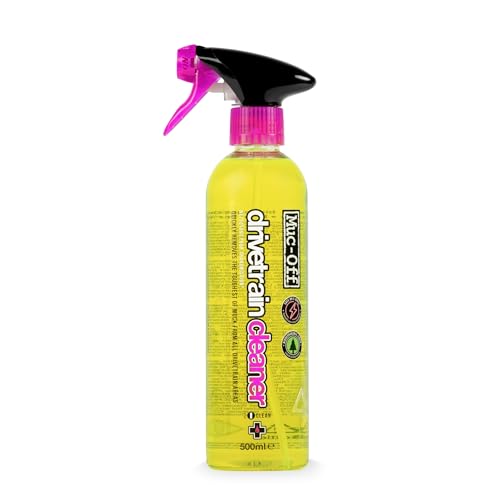
- bike frame degreaser spray 16 oz with brush kit


Before You Start
Prepare a clean, ventilated workspace. Protect sensitive components with a soft towel or microfiber cloth. Use gentle, bike-specific cleaners to avoid stripping finishes. Time estimate: 20–40 minutes, depending on the frame condition. Check for loose parts, rust spots, or coating wear before starting.
Step-By-Step: How To Clean A Bicycle Frame
- Rinse the frame with a gentle stream of lukewarm water to remove loose dirt. Avoid high-pressure sprays that could force water into bearings.
- Apply a bike-safe cleaner to the frame surfaces, focusing on areas with grime buildup. Do not saturate bearings, seals, or chain areas unnecessarily.
- Use the soft bristle bike frame washing brush to scrub the down tube, top tube, seat stays, and chainstays in circular motions.
- For stubborn grease near derailleurs or bottom bracket area, apply the bike frame degreaser spray with the included brush and let it dwell briefly before scrubbing.
- Rinse the frame thoroughly, keeping water away from exposed bearings and electronic components if present.
- Dry the frame with microfiber bicycle frame cleaning cloths, removing all moisture to prevent water spots and corrosion.
- Inspect the frame finish for chips, rust, or scratches. If necessary, address with touch-up paint or protective wax following manufacturer guidance.
- Wipe carbon fiber or aluminum frame surfaces with a dry cloth to remove moisture from recessed areas and ensure a spotless finish.
- Reinstall protective frame guards or decals if they were removed for cleaning, and lubricate moving parts as needed after the frame is dry.
- Store cleaning tools and cleaners in a cool, dry place away from direct sunlight to prolong tool life.
Troubleshooting
| Symptom | Likely Cause | Fix | Prevention |
|---|---|---|---|
| Streaks on finish after drying | Water spots or residue | Buff with a clean microfiber cloth; ensure cleaners are rinsed fully | Rinse thoroughly; use distilled water for final rinse in hard-water areas |
| Grease remains on frame | Insufficient degreaser dwell time | Reapply degreaser and scrub with the brush | Pre-treat heavy grime before washing |
| Rings or discoloration near components | Cleaner contact with sensitive areas | Limit cleaner to frame surfaces; use towels to shield components | Test cleaner on a small area first |
| Scratches showing after cleaning | Overly aggressive brushing | Switch to lighter strokes with a softer brush | Regular, gentle cleaning reduces heavy scrubbing |
Common Mistakes
- Using high-pressure water or harsh solvents that strip coatings
- Skipping the degreaser on drivetrain-adjacent grime
- Letting water pool in headset, bottom bracket, or pedal areas
- Using abrasive brushes or towels that scratch the finish
Tips For Best Results
- Work from the top down to prevent dirty water running onto clean areas
- Select a dedicated bike cleaning kit to ensure brushes are soft and safe
- Keep a dedicated microfiber cloth for final drying to avoid cross-contamination
- Regular light cleaning is easier than infrequent deep cleans
- Apply a light protective wax or frame-safe polish after drying for added shine and protection
Call A Professional
Seek professional help if the bike frame shows structural damage, deep cosmetic chips, rust through chrome plating, or if unfamiliar with carbon fiber repairs. Immediate professional attention is advised for frames with cracks, loose joints, or compromised protective finishes.
FAQ
Can I use dish soap to clean my bike frame?
Dish soap is generally not recommended for bike finishing; use a cleaner formulated for bicycles to protect coatings and lubricants.
Is it safe to use water on carbon frames?
Yes, with caution. Use lukewarm water and avoid direct jets into bearings or electronic components.
How often should I clean a bike frame?
Clean frames regularly after rides, especially in muddy or salty conditions. A quick wipe-down weekly helps maintain finish.
What should I do about stubborn rust on metal frames?
Coordinate rust treatment with frame type and finish; consult a professional if corrosion is extensive.
Should I remove components before cleaning?
It is not always necessary, but removing drivetrain components can simplify degreasing and reduce exposure to cleaners.
Buying Guide
When choosing tools for bike frame cleaning, consider size, material, and compatibility with the bike’s finish. Look for a soft-bristle brush set and microfiber cloths designed for delicate surfaces. A dedicated degreaser spray with a brush kit can simplify stubborn grime. Consider a compact detailing kit for on-the-go maintenance and a degreaser that is safe for both aluminum and carbon frames. Energy efficiency is not a factor here, but product reliability and kit completeness matter for long-term use. For storage, select containers with secure caps to prevent leaks in a cycling backpack or garage cabinet. Finally, check user reviews for brush softness and cloth lint, ensuring tools won’t scratch protective finishes.
Related Topics and Comparisons
Compare various cleaning configurations, such as a full bike detailing kit versus separate brush sets and cloths. Assess the advantages of a degreaser spray with an integrated brush versus a standalone bottle. Consider how often you clean and whether you prefer compact travel kits or full workshop-grade sets.