Dishwashers rely on clean jets to spray water effectively onto dishes. Over time, mineral buildup, food particles, and grease can clog the jets, reducing cleaning power and leaving residue. This guide provides practical steps to clean dishwasher jets, using common tools and safe methods that homeowners can perform without professional help.
By removing blockages from spray arms and refreshing internal components, users can restore optimal water flow and extend the life of their appliance. The methods below emphasize safe handling, routine maintenance, and durable results that fit American kitchens and busy households.
Quick Answer
Quick Method: detach the spray arms, scrub the jet holes with a specialized brush, rinse, and reassemble. If mineral buildup persists, run a descaler cycle or use an ultrasonic cleaner for stubborn jets.
What You’ll Need
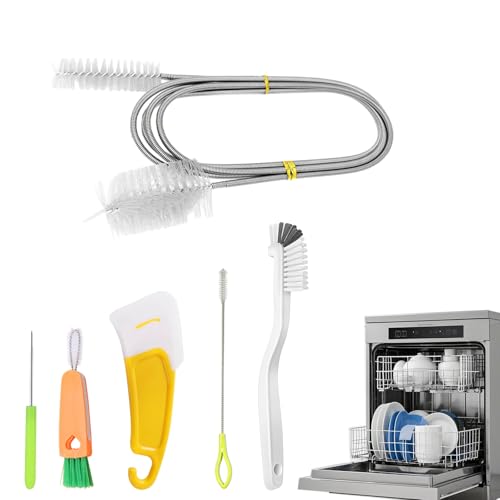
- dishwasher spray arm cleaning brush
- dishwasher spray arm cleaning tool
- dishwasher jet cleaning brush
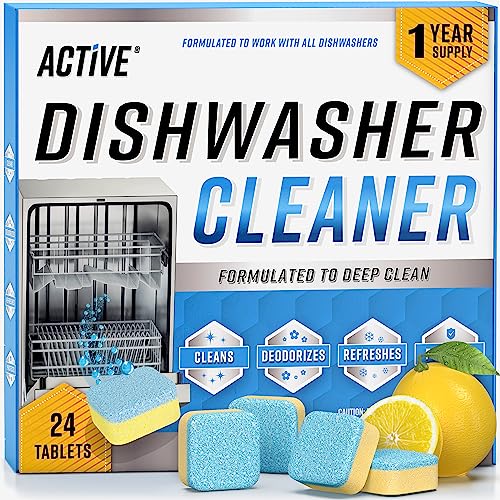
- dishwasher descaler kit
- ultrasonic cleaner for dishwasher parts

Before You Start
Before beginning, unplug the dishwasher or switch off the circuit at the breaker. Wear protective gloves to avoid sharp edges on spray arms. Check the owner’s manual for specific removal instructions, as designs vary by model. Plan for a 45–90 minute maintenance window, depending on machine complexity. Critical cautions: never force spray arms or disconnect water lines without releasing pressure; ensure all parts are dry before reassembly to prevent mold growth.
Step-By-Step: How To Clean Dishwasher Jets
- Remove the dishwasher racks and expose the spray arms. Gently twist or unclip the arms according to the manual, taking note of orientation for reassembly.
- Inspect the spray arms for visible blockages in the jet holes. Use a dishwasher jet cleaning brush to loosen mineral buildup around the nozzles without scratching plastic or metal.
- Soak the spray arms in warm, soapy water for 5–10 minutes to loosen grease. If scaling is heavy, use a dishwasher descaler kit according to the product instructions.
- Scrub the jet holes and the arm surface with the brush, paying special attention to narrow channels. Rinse under running water to remove loosened debris.
- For stubborn mineral deposits, place the spray arms in an ultrasonic cleaner for dishwasher parts set to a gentle cycle. Run the soak for 5–10 minutes, then rinse thoroughly.
- Reinstall the spray arms securely, ensuring they spin freely without interference from racks or utensils. Run a short wash cycle with empty dishwasher to test jet flow.
- Check for even water distribution by observing spray coverage in a full cycle. If uneven, recheck arm alignment or inspect for worn seals that may impede flow.
- Repeat maintenance every 3–6 months, or sooner in areas with hard water or frequent heavy loads. Document results to track performance changes over time.
Troubleshooting
| Symptom | Likely Cause | Fix | Prevention |
|---|---|---|---|
| Uneven spray or dry patches on dishes | Clogged jet holes | Clean jets with brushes; descale if needed | Regular maintenance; use soft water if possible |
| Little to no water spray | Blocked intake or misaligned spray arm | Inspect and reseat spray arms; check water inlet | Avoid overloading; keep spray paths clear |
| Unpleasant odor after cycles | trapped food debris | Clean seal area and filters; run empty cycle with descaler | Rinse dishes and scrape food; empty filter |
| Persistent mineral buildup | Hard water deposits | Use descaler kit periodically; consider water softening options | Regular descaling schedule |
Common Mistakes
- Using abrasive tools that scratch spray arms
- Forcing spray arms past their natural travel limits
- Skipping safety steps and starting a cycle with exposed wiring or components
- Neglecting filters and seals that influence jet performance
Avoid these missteps by following manufacturer guidance and sticking to gentle cleaning methods that preserve jet geometry and flow paths.
Tips For Best Results
- Schedule routine cleaning every 2–4 months in homes with hard water to minimize mineral buildup.
- Use a dishwasher descaler kit as part of a quarterly maintenance plan to keep jets clear.
- Consider an ultrasonic cleaner for dishwasher parts for deep cleaning of complex jet assemblies.
- Rinse and dry spray arms before reassembly to prevent trapped moisture and odors.
- Monitor water hardness and adjust maintenance frequency accordingly for optimal jet performance.
Call A Professional
If cleaning the jets does not restore spray performance or if the spray arms show cracks, wear, or persistent leaks, consult a licensed appliance technician. Stop and call a pro when metal parts appear corroded, when you suspect a faulty water inlet valve, or when internal components require disassembly beyond consumer capabilities.
FAQ
Can I use vinegar to clean dishwasher jets?
Vinegar can help with light mineral buildup but is not a substitute for descaler kits or ultrasonic cleaning for stubborn deposits. Use vinegar sparingly and follow manufacturer recommendations.
How often should I descale a dishwasher?
For households with hard water, descale every 2–4 months or as advised by the kit instructions. Adjust frequency based on observed buildup and cycle performance.
Are spray arm cleaning brushes essential?
While not strictly essential, brushes designed for spray arms help remove debris more effectively and protect jet holes from damage during cleaning.
Will cleaning jets void my warranty?
Cleaning the jets with approved tools and following the manual typically does not void a warranty. Avoid disassembly beyond instructions and use recommended products.
What if the jets still don’t spray after cleaning?
Check the water inlet valve, filter, and spray arm alignment. If issues persist, consult a professional technician to inspect internal components and seals.
Buying Guide
When choosing maintenance tools and accessories for cleaning dishwasher jets, consider several buying factors to ensure longevity and effectiveness.
Size and compatibility: Ensure brushes and tools fit your dishwasher model’s spray arm design. Some arms require specialized cleaning tools that match hole patterns and diameters.
Noise level and durability: Ultrasonic cleaners designed for small appliance parts typically operate quietly and efficiently, reducing hand scrubbing time without harsh abrasion.
Energy efficiency and maintenance cycles: Regular descaling and clean components help maintain optimal water flow, which supports efficient wash cycles and lower energy use.
Controls and ease of use: Look for user-friendly descaler kits with clear instructions and eco-friendly formulations. Tools should be simple to handle, with secure grips and non-slip surfaces.
Placement and storage: Store cleaning tools in a dedicated cabinet or near the dishwasher for quick access. Keep descaler kits away from children and pets, following label safety directions.
For best results, combine a routine cleaning plan with a few reliable tools, and adapt the workflow to your dishwasher’s specific design. A proactive approach helps maintain clean jets, better washing performance, and improved appliance longevity. If in doubt, reference the model’s manual or seek professional guidance to tailor maintenance to your home setup.