Concrete driveways can accumulate dirt, oil stains, and mildew over time. A regular cleaning routine not only improves curb appeal but also extends the life of the surface. This guide walks American homeowners through an effective, safe, and affordable cleaning process using common tools and products.
Readers will find a concise Quick Answer, a complete list of essentials, step-by-step instructions, troubleshooting, and practical tips. The goal is to help users achieve a cleaner driveway with minimal hassle and without damaging the concrete.
Quick Answer
Start with a surface rinse, then use a combination of pressure washing and brushing for stubborn stains. For best results, apply a concrete cleaner degreaser and finish with a foam cleaner to lift embedded grime. If oil or grease is present, treat those spots with a degreaser before washing.
What You’ll Need
- 2100 PSI electric pressure washer for concrete driveway
- Rotating concrete surface cleaner for driveway
- Stiff nylon scrub brush for concrete driveway
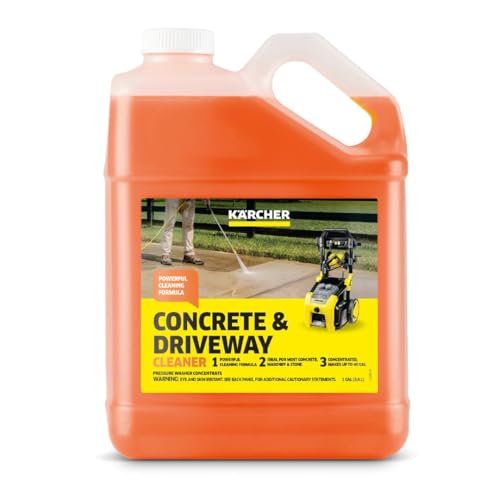
- Heavy-duty concrete cleaner degreaser kit for driveways
- Concrete driveway cleaning kit with spray nozzle and foam cleaner


Before You Start
Prepare the area by removing vehicles, planters, and loose debris. Check weather forecasts to avoid cleaning in direct sun or rain. Protect nearby plants and grass with plastic sheeting or drop cloths. Wear gloves, eye protection, and closed-toe shoes. Never mix household cleaners with acidic products like vinegar or bleach, and follow all label instructions. Time to complete will vary, but most exterior cleanups take 1–4 hours depending on the driveway size and stain severity.
Step-By-Step: How To Clean A Concrete Driveway
- Rinse the entire driveway with water to loosen loose dirt and debris.
- Apply a pre-wash spray using the concrete driveway cleaning kit with spray nozzle and foam cleaner to cover the surface evenly.
- Let the cleaner dwell for 5–10 minutes, but do not let it dry on the pavement.
- Attach the rotating concrete surface cleaner for driveway to the 2100 PSI electric pressure washer for more even coverage and to reduce streaks.
- Run the cleaner in a crisscross pattern over the entire surface, maintaining a steady distance to avoid gouging the concrete.
- For oil or grease stains, apply the heavy-duty concrete cleaner degreaser kit for driveways directly to the spot and scrub with the stiff nylon scrub brush for concrete driveway.
- After treating spots, re-spray with the pressure washer and surface cleaner to rinse away lifted grime.
- Finish with a rinse that washes toward the street or a designated drainage area, ensuring no dirty runoff pools near plants.
- Inspect for remaining stains. Reapply cleaner to stubborn areas and repeat brushing if needed.
- Dry the surface with ventilation and sunlight to prevent new mold growth. If desired, apply a sealant after it’s completely dry for long-term protection.
- Store equipment properly and dispose of any used cleaning solutions according to local regulations.
Troubleshooting
| Symptom | Likely Cause | Fix | Prevention |
|---|---|---|---|
| Streaks after cleaning | Uneven spray or surface buildup | Recheck nozzle distance and use rotating surface cleaner | Maintain steady movement and overlap passes |
| Stubborn oil stains persist | Deep-set grease | Apply degreaser directly, dwell, then scrub and rinse | Treat oil spots promptly |
| Surface towel-drying or dark patches | Cleaner residue | Rinse thoroughly with clean water | Use clean water and avoid over-application |
| Discoloration after cleaning | Weak cleaners or too much sun | Switch to a stronger cleaner or clean on cooler, shaded day | Follow label directions and avoid peak sun |
Common Mistakes
- Using a pressure washer at too close a distance can erode concrete or damage sealant.
- Skipping a pre-wash rinse allows dirt to embed during cleaning.
- Applying cleaners in direct sunlight can cause rapid drying and streaking.
- Neglecting safety gear or venting fumes from strong degreasers.
Tips For Best Results
- Work in manageable sections to ensure even cleaning and prevent residue from drying.
- Use a surface cleaner to avoid lines and stripes that handheld brushing can cause.
- Test cleaners on a small inconspicuous area before full application.
- For heavy mold, consider a mildewcide spray after cleaning to inhibit regrowth.
- Ventilate the area well if you’re using stronger cleaners; avoid mixing products.
Call A Professional
Consider contacting a pro if the driveway shows deep cracks, structural damage, or persistent oil saturation that hasn’t responded to at-home cleaning. Signs that indicate professional help may be needed include widespread efflorescence, severe staining that resists standard cleaners, or a surface that feels soft or crumbly underfoot.
FAQ
Can I clean a driveway with a standard garden hose?
Hoses provide limited cleaning power for embedded grime. A pressure washer offers stronger cleaning and faster results, especially with a rotating surface cleaner.
Is it safe to use bleach or acidic cleaners on concrete?
Bleach and acidic cleaners can damage the surface or affect nearby plants. Always follow product labels and test on a small area first.
How long should the driveway dry after cleaning?
Allow 24–48 hours for full drying, depending on weather, before applying any sealant or allowing traffic.
Should I seal my concrete driveway after cleaning?
Yes, sealing helps protect against stains and moisture. Wait until the surface is completely dry and choose a suitable sealant for exterior concrete.
Buying Guide
Choosing the right tools and supplies for cleaning a concrete driveway involves considering size, power, and compatibility with concrete surfaces. This guide reviews key buying factors and how to compare products to achieve the best results.
Size and Coverage
For typical residential driveways, a compact 2100 PSI electric pressure washer often suffices. Larger areas may benefit from a more powerful model or a dedicated surface cleaner to reduce cleaning time.
Noise Level and Energy Efficiency
Electric pressure washers generally run quietly and are energy efficient, making them ideal for residential spaces. Look for units with efficient pumps and low idle power draw.
Cleaning Power and Attachments
Evaluate what comes in the kit: rotating surface cleaners, spray nozzles, and foam cleaners. A heavy-duty degreaser kit is useful for oil stains, while a stiff nylon brush adds flexibility for stubborn grime.
Controls and Ease of Use
Simple on/off switches, adjustable spray patterns, and ergonomic handles reduce fatigue. A combined cleaning kit with foam cleaners simplifies setup and storage.
Durability and Maintenance
Choose tools with corrosion-resistant materials and readily available replacement parts. Regular cleaning and proper storage extend equipment life.
Placement and Storage
Store near the driveway or inside a garage for quick access. Protect cleaners from freezing temperatures and direct sun to preserve efficacy.
Budget and Value
Consider the overall value: a comprehensive kit with a surface cleaner may save time and effort compared with purchasing individual tools separately. Look for warranties and included accessories when evaluating the price.