Stainless steel, glass, silicone, or paper straws add convenience and style to drinks, but cleaning them after use can be tricky—especially without a dedicated straw cleaner. This guide explains practical methods to thoroughly sanitize and refresh a straw using common household items and purpose-built tools for variety of straw types.
Whether you’re at home, in the office, or outdoors, these steps help remove residue and prevent odors without specialized gear.
Quick Answer
Option 1: Use a long, flexible brush to scrub the interior, followed by a rinse with hot water and a brief soak in a mild soap solution. Option 2: Create a cleaning solution with dish soap and warm water, cap the straw, shake, then rinse. For metal and silicone straws, a quick run through with hot water and air dry also works well.
What You’ll Need
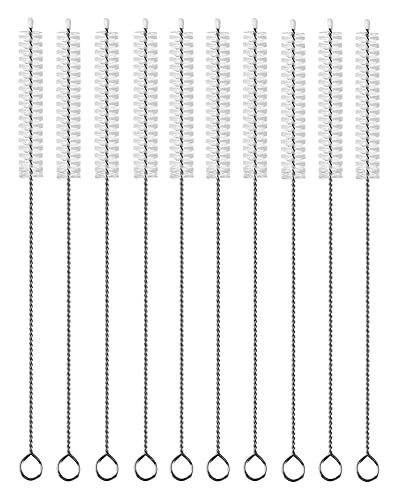
- 12-inch flexible straw cleaning brush
- straw cleaning brush with silicone handle
- metal drinking straw cleaning brush kit
- dishwasher-safe straw cleaning tool set silicone bristles
- narrow-diameter straw cleaning pipe cleaners


Before You Start
Prepare a clean work area and rinse the straw under running water to remove loose debris. If the straw is metal or silicone, ensure there are no sharp edges. Always handle hot water with care to avoid burns. Time estimate: 5–10 minutes per straw, plus drying time. For shared kitchen use, sanitize tools between uses to prevent cross-contamination.
Step-By-Step: How To Clean A Straw Without A Straw Cleaner
- Rinse the straw under warm running water to remove loose material.
- Insert a long, flexible brush into the end and gently twist while pulling through to scrub the interior.
- If a dedicated straw cleaning brush isn’t available, thread a narrow-diameter pipe cleaner through and scrub with circular motions.
- Apply a small amount of dish soap to the brush or pipe cleaner for extra cleaning power, then rinse with hot water.
- For stubborn residue, fill a tall glass with warm water and a drop of dish soap, seal the straw’s ends, and shake vigorously for 20–30 seconds.
- Rinse thoroughly until all soap is removed. For metal or silicone straws, run hot water through both ends for a final rinse.
- Lay the straw flat on a clean towel or use a drying rack to air-dry completely before reuse.
- Inspect both ends for any remaining debris; repeat cleaning if necessary.
- Store clean straws in a dry, breathable container to prevent mold growth.
- If the straw is dishwasher-safe, you can also place it on the top rack for a thorough sanitizing wash.
Troubleshooting
| Symptom | Likely Cause | Fix | Prevention |
|---|---|---|---|
| Residue remains after cleaning | Brush didn’t reach blocked areas | Use a longer brush or pipe cleaner and scrub both ends thoroughly | Clean immediately after use to prevent hardening |
| Straw has an odor | Built-up bacteria or soap residue | Soak in warm, soapy water and scrub again | Rinse well and air-dry after each use |
| Straw feels sticky | Residual syrup or sweet drink buildup | Soak in a solution of warm water and a few drops of dish soap, then scrub | Rinse promptly after use |
| Ends are discolored | Metal corrosion or silicone staining | Clean with a mild, non-abrasive cleaner and rinse well | Avoid abrasive scrapers that can scratch surfaces |
Common Mistakes
- Using only a quick rinse without scrubbing the interior
- Forgetting to rinse soap completely, leaving a soapy taste
- Letting straws air-dry in closed spaces, which encourages odors
- Using metal brushes that scratch delicate straw surfaces
Tips For Best Results
- Choose the right brush: a 12-inch flexible brush or silicone-handle straw brush fits most straw lengths and materials.
- Alternate cleaning tools to reach different curvature sections inside the straw.
- For frequent users, establish a quick nightly rinse routine to reduce buildup.
- If using a dishwasher, ensure the straw is labeled as dishwasher-safe and place it on the top rack away from heat.
- Dry completely before storing to prevent mildew; a quick shake and air-dry routine helps.
Call A Professional
Professional help is rarely needed for routine straw cleaning. Seek assistance if the straw shows persistent odors, corrosion, or cracks that compromise safety. If the straw is part of a larger beverage system and cleaning remains ineffective, consult the manufacturer’s guidelines or a service professional.
FAQ
Can I clean a straw without any brushes?
Yes. Use a narrow-diameter pipe cleaner or a long wire to scrub the interior, followed by a thorough rinse.
Are metal straws harder to clean?
Metal straws require careful cleaning to avoid scratching; use non-abrasive brushes and rinse well.
Is it safe to use hot water for cleaning?
Hot water helps remove residue but check straw material compatibility to avoid damage.
How often should I clean my straw?
Clean after each use to prevent buildup; a more thorough clean weekly is recommended for frequent drinkers.
Buying Guide
When selecting straw-cleaning tools, consider size, material, and compatibility with your straw type. Key factors include:
- Size and flexibility: Choose brushes that reach the full length and curvature of your straw; longer, flexible options work best for multiple straw types.
- Material and bristles: Silicone-bristle tools are gentler on delicate surfaces, while wire or nylon bristles offer stronger scrubbing power.
- Material compatibility: For metal straws, non-scratch brushes prevent gouges; silicone and glass straws benefit from soft bristles.
- Dishwasher compatibility: If you prefer machine cleaning, verify the tool set is dishwasher safe.
- Storage and organization: Look for compact, dry storage to minimize contamination between uses.
- Cost and availability: A versatile set with multiple brushes often provides the best value for households with varied straw types.
Would you like recommendations tailored to your straw collection, such as metal, silicone, or glass? Consider a multi-tool kit that includes several brush types to cover all scenarios.