Plastic surfaces can retain spray paint odors long after application. This guide provides practical, science-based steps to reduce or eliminate those fumes using safe, consumer-friendly methods. The approach focuses on ventilation, odor absorbers, and surface-safe cleaners to protect the plastic while improving indoor air quality.
Quick Answer
Open windows, use a fan, and apply odor absorbers to the affected area. Start with a gentle soap wash, then move to dedicated odor eliminators designed for plastic, such as activated charcoal absorbers and odor-neutralizing sprays. Repeat as needed until the smell diminishes.
What You’ll Need
- Plastic odor eliminator spray paint smell remover
- Spray paint smell remover for plastic surfaces
- Activated charcoal odor absorber for spray paint on plastic
- Plastic deodorizer for paint fumes
- Odor neutralizing spray for painted plastic


Before You Start
Assess the area and ensure good ventilation. If the smell is strong, remove pets and children from the room during treatment. Wear a basic mask if working with lingering fumes and use gloves to protect your skin. Time estimates vary: initial airing and cleaning can take 1–2 hours, while odor-neutralizing cycles may require repeat sessions over 24–48 hours. Do not mix cleaners or solvents unless the product instructions explicitly permit it. Store sprays upright and away from heat sources after use.
Step-By-Step: How To Get Rid Of Spray Paint Smell On Plastic
- Move the painted plastic to a well-ventilated area or outdoors if possible.
- Open doors and windows; set up a fan to direct air away from living spaces.
- Gently wipe the surface with a mild soap solution to remove surface residues.
- Rinse with clean water and allow the piece to dry completely before applying odor absorbers.
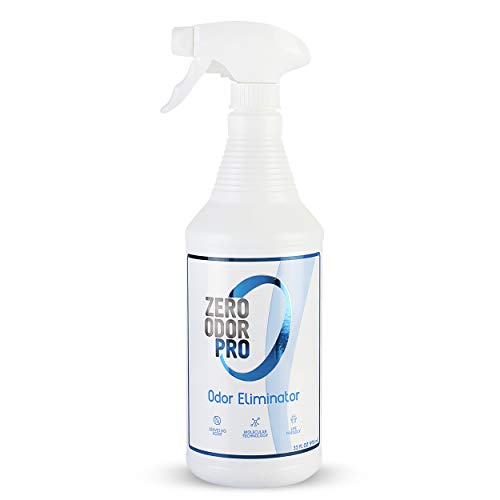
- Apply the plastic odor eliminator spray paint smell remover or a similar odor neutralizing spray designed for plastic surfaces, following label directions.
- Place an activated charcoal odor absorber for spray paint on plastic near the item to capture lingering fumes.
- Let the area ventilate for several hours; repeat treatment if the smell persists.
- For stubborn odors, use a dedicated plastic deodorizer for paint fumes and re-air the space after application.
- Reassess after 24 hours; if odor remains, reapply the steps and consider additional absorbers.
- Avoid sealing the area with plastic wrap or heavy coverings until odors are at an acceptable level.
- Once odors are reduced, keep the space ventilated and consider a maintenance routine using a fragrance-free odor neutralizer to prevent recurrence.
Troubleshooting
| Symptom | Likely Cause | Fix | Prevention |
|---|---|---|---|
| Smell returns after initial clearing | Incomplete odor capture | reposition absorbers and reapply spray per instructions | continuous ventilation during next paint job |
| White residue after cleaner | Excess product on nonporous plastic | wipe with a damp cloth; test compatibility on a hidden area | use compatible products only |
| Surface tackiness after treatment | Over-application | wipe excess with a cloth and allow to air out | follow dosage guidelines |
| No improvement after 24 hours | Highly sealed or enclosed area | increase ventilation; consider professional remediation | plan for longer odor control period |
Common Mistakes
- Using strong chemical cleaners without checking plastic compatibility
- Applying odor absorbers too close to heat sources or direct sunlight
- Relying on a single treatment rather than a layered approach
- Avoiding adequate ventilation, which slows odor removal
- Ignoring manufacturer directions on spray products
Tips For Best Results
- Workspace setup: place the item near an open window with a fan pulling air outside.
- Pair absorbers with a continuous air exchange for faster results.
- Test any product on a small, inconspicuous area first to ensure no discoloration or damage.
- Keep temperatures moderate; extreme heat can accelerate off-gassing but may affect certain plastics.
- Consider a routine deodorizing routine after projects to minimize future odors.
Call A Professional
Signs that professional help is needed include persistent, overpowering odors after 48 hours, signs of chemical sensitivity in occupants, or potential structural concerns with the painted object. If odors linger despite using consumer products and good ventilation, contact an environmental health professional or a qualified remediation service.
FAQ
What is the best product to remove spray paint smell from plastic?
Look for products labeled as plastic odor eliminator spray paint smell remover or odor neutralizing spray for painted plastic and follow the instructions carefully.
Can activated charcoal help with spray paint odors on plastic?
Yes, activated charcoal odor absorber for spray paint on plastic can capture a significant portion of volatile compounds when used in combination with ventilation.
Is it safe to use deodorizing sprays on painted plastic?
Most are safe when applied per label directions, but test on a small area first and avoid solvents that may damage the finish.
How long does it take to remove spray paint smell from plastic?
Initial odor reduction can occur within a few hours, but complete elimination may take 24–48 hours or longer depending on room size and ventilation.
Should I seal the area to prevent off-gassing?
Sealing is generally not recommended during active odor removal; instead, maintain good ventilation and allow the absorbers to work.
Can I use fragrance sprays to mask the smell?
Masks may provide temporary relief but do not address the odor at the source; use dedicated odor absorbers for lasting results.
What should I do if the smell returns after treatment?
Reassess ventilation, reapply approved odor eliminators, and consider additional charcoal absorbers; persistent odors may require professional assessment.
Buying Guide
Choosing the right solution involves evaluating factors like size of the space, surface type, and duration of odor. For plastic projects, look for products explicitly formulated for plastic surfaces and labeled as odor eliminators or odor neutralizers. Consider the following:
- Size and coverage: Larger rooms or objects require greater coverage or multiple units of a deodorizer.
- Noise level: Fans and air movers help odor removal but may create noise; select low-noise options if the space is shared.
- Energy efficiency: Opt for energy-efficient fans and minimal-power odor absorbers where possible.
- Controls: Simple on/off controls or timers help integrate odor removal into routine maintenance.
- Placement: Position absorbers near the source of odor and ensure ample airflow across the item.
- Material compatibility: Ensure products are safe for plastics and will not cause discoloration or damage.
- Reusability: Some activated charcoal absorbers are reusable after proper drying and reactivation.
Are you dealing with a stubborn odor or a large project? Consider a combination approach: a targeted odor eliminator spray for plastic, paired with activated charcoal absorbers and ongoing ventilation. By balancing these factors, most spray paint smells on plastic can be reduced effectively without compromising the surface.